

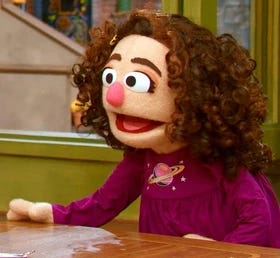
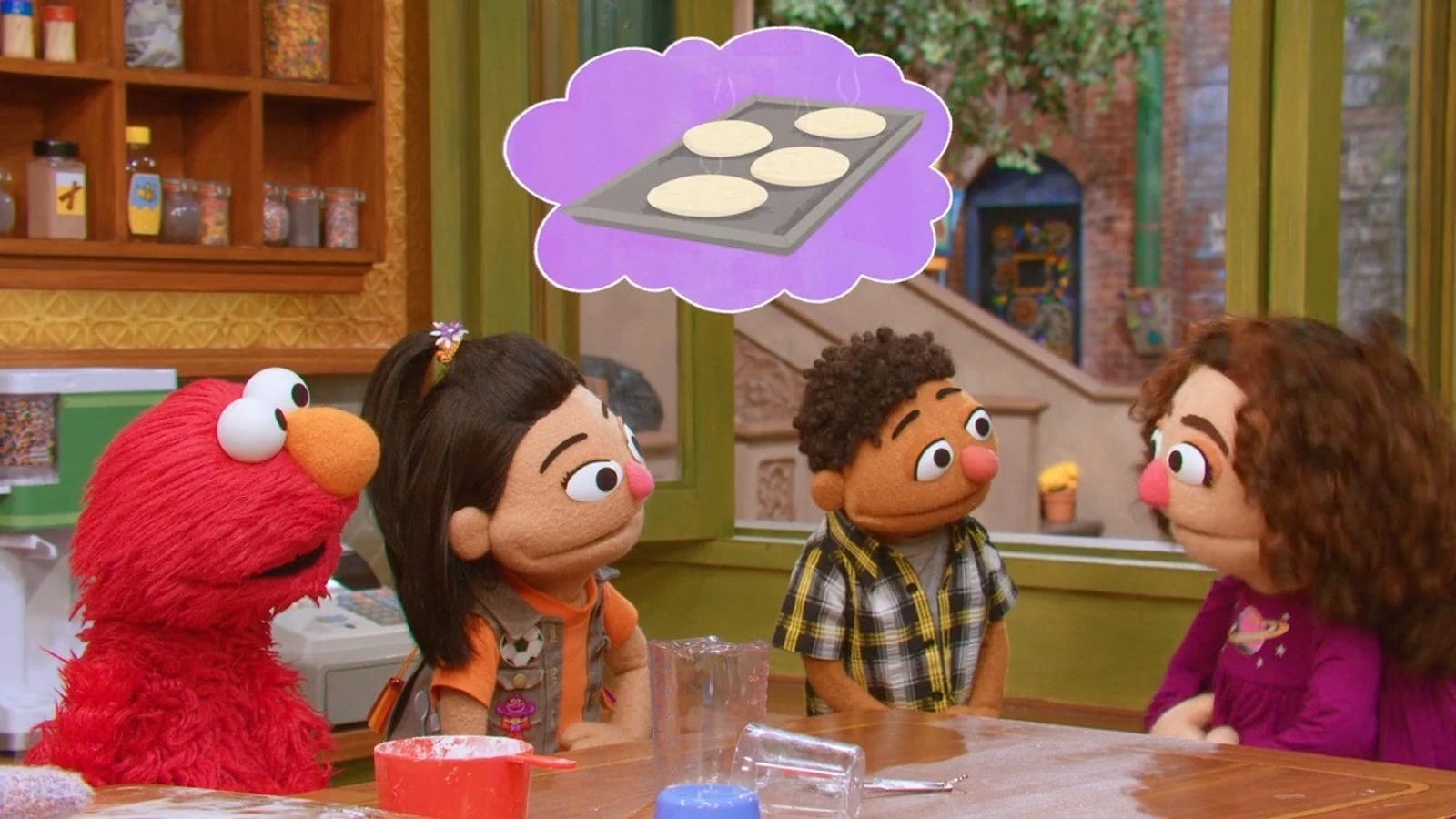
In Season 54 of Sesame Street, Yasmine, a Lebanese-American character, stepped onto children’s television’s most famous block and quietly made history. In Episode 5402, she taught Grover how her family makes “khebez” — the Arabic word for bread. She later returned in Episode 5509, continuing to weave her heritage into the fabric of the show. At first glance, it was a simple cooking lesson. A fleeting segment, easily overlooked. Yet within it lived centuries of culture.
Bread as Memory, Bread as Homeland
In Lebanon and the Levant, bread is never just bread. Khebez — the round, soft flatbread known in English as pita — anchors daily life. It wraps zaatar sandwiches before school, cradles falafel pulled from hot oil, scoops hummus at the family table, and accompanies lentil soup in Ramadan. It is torn, rarely cut. Shared, never individualized. In many homes, if it falls to the floor, it is lifted and kissed — a gesture of gratitude for what sustains.
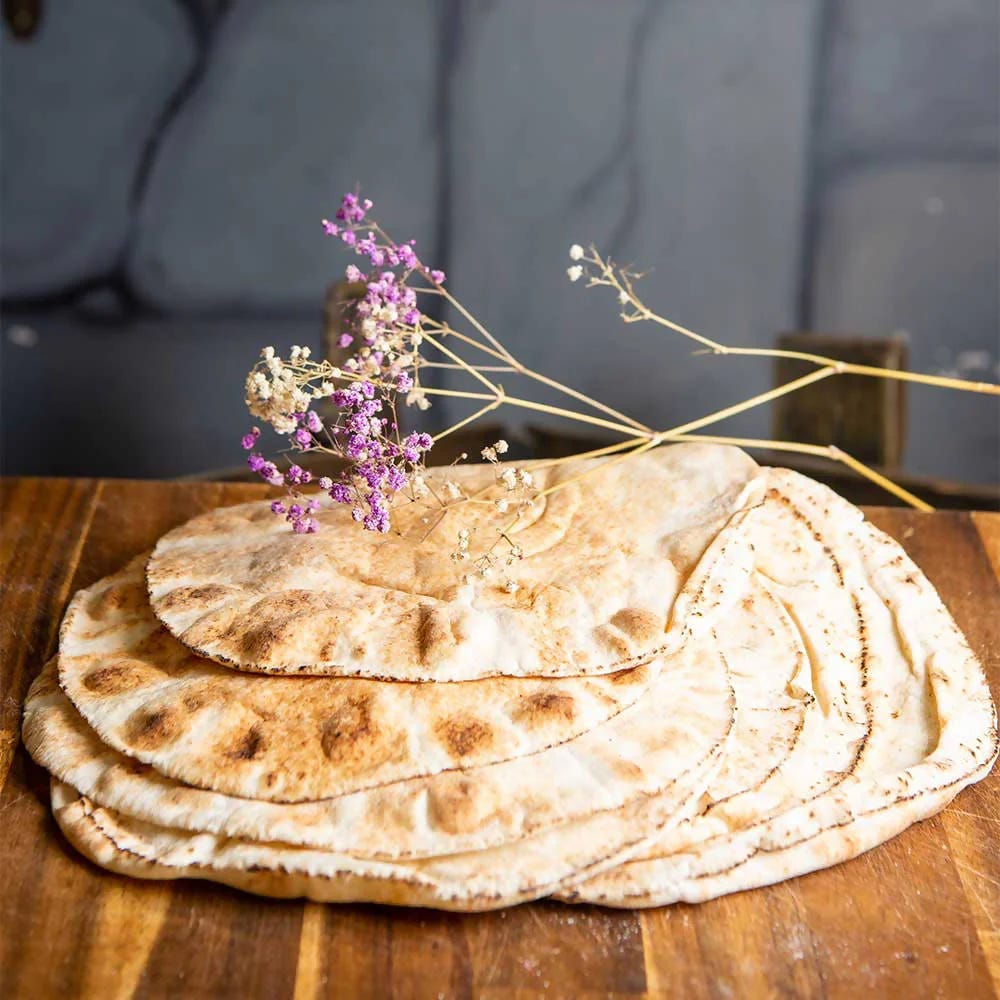
By bringing khebez to Sesame Street, Yasmine normalized the Arab kitchen within the American childhood imagination. In a media landscape where Arab identities are often politicized or flattened, a child joyfully explaining how she bakes bread with her family offers another narrative: warmth, continuity, belonging.
Food is among the most durable forms of cultural memory. For Lebanese families across the diaspora — in Detroit, Montreal, Sydney, São Paulo, and across West Africa — bread-making is not simply culinary practice but ritual remembrance. It carries the scent of Beirut kitchens and mountain villages. It carries the rhythm of dough stretched into circles before puffing in a scorching oven. Yasmine’s lesson was not just instructional, it was ancestral.
Ancient Loaf
Flatbread predates written history. In the Levant, bread-making stretches back thousands of years, shaped by civilizations that moved through the region — Phoenician, Roman, Byzantine, Arab. Lebanon’s khebez belongs to a broader Eastern Mediterranean family of pocketed breads, baked at high heat so steam forms its characteristic hollow center.

Traditionally, it was made in communal ovens — the furn — where women gathered with trays of dough, exchanging news as they waited. Bread as sustenance, but also social architecture.
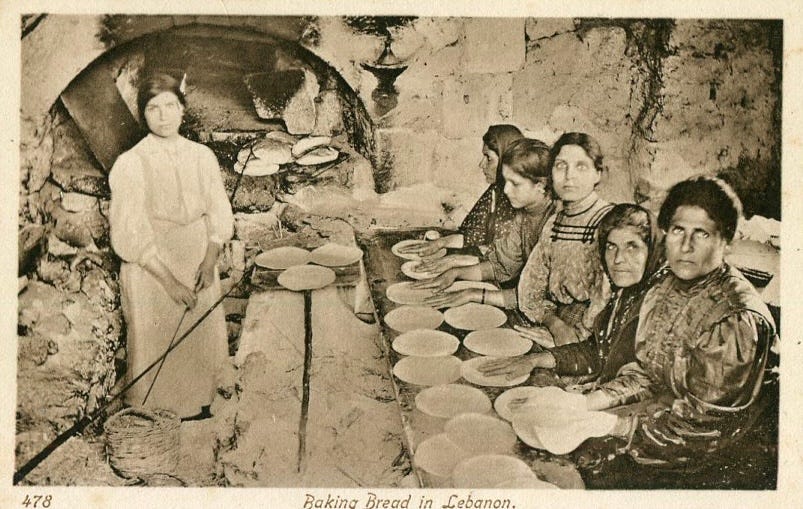
In rural areas, the convex saj produced thinner breads like markouk. In cities, thicker khebez was stacked in bakeries and carried home under the arm. Affordable and universal, it crossed class lines. In Arabic, to “eat bread and salt” with someone signifies trust. Bread is covenant.
Representation in the Everyday
Since 1969, Sesame Street has taught letters and numbers alongside empathy and diversity. Yasmine’s appearance fits that mission, but it also meets a particular moment. Arab identities in Western media have often been filtered through geopolitics. Here, a Lebanese-American child appeared not as headline or stereotype, but simply as herself — excited to share bread. Representation matters most when it feels ordinary.
Diasporic Threads
Lebanon’s history is marked by migration. Waves of emigration have created one of the world’s most far-reaching diasporas. In that dispersal, food becomes anchor — a portable homeland.
A recipe requires no passport. Dough can be kneaded in Brooklyn as easily as in Beirut. Flour, water, yeast, salt — universal ingredients. Yet the gestures, the technique, the pronunciation of its name carry lineage.
When Yasmine teaches Grover to make khebez, she embodies a hyphenated identity that does not divide but expands. Lebanese-American can mean fully both.
Small Circle, Wide Reach
A round of bread is modest in size. Its symbolic reach is not. It connects ancient ovens to modern studios. Beirut to New York. Grandparents to grandchildren. Memory to modernity.
When Yasmine spoke about khebez, she was not just describing a recipe. She was extending a lineage thousands of years old, carried forward in flour and fire. Cultural heritage does not survive only in monuments or manuscripts. It lives at the table, in the hands that knead, in the stories children tell about what their families cook, and sometimes, it lives on Sesame Street.