A Landscape in Bloom
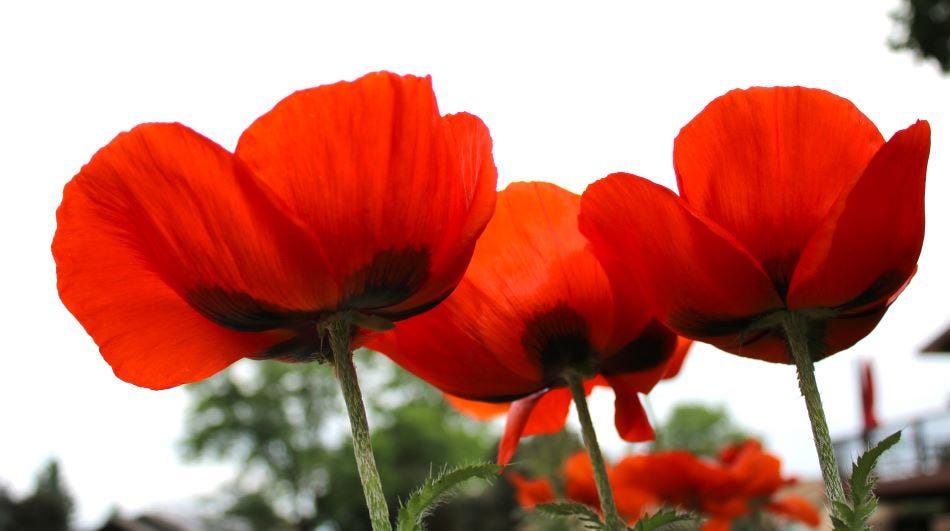
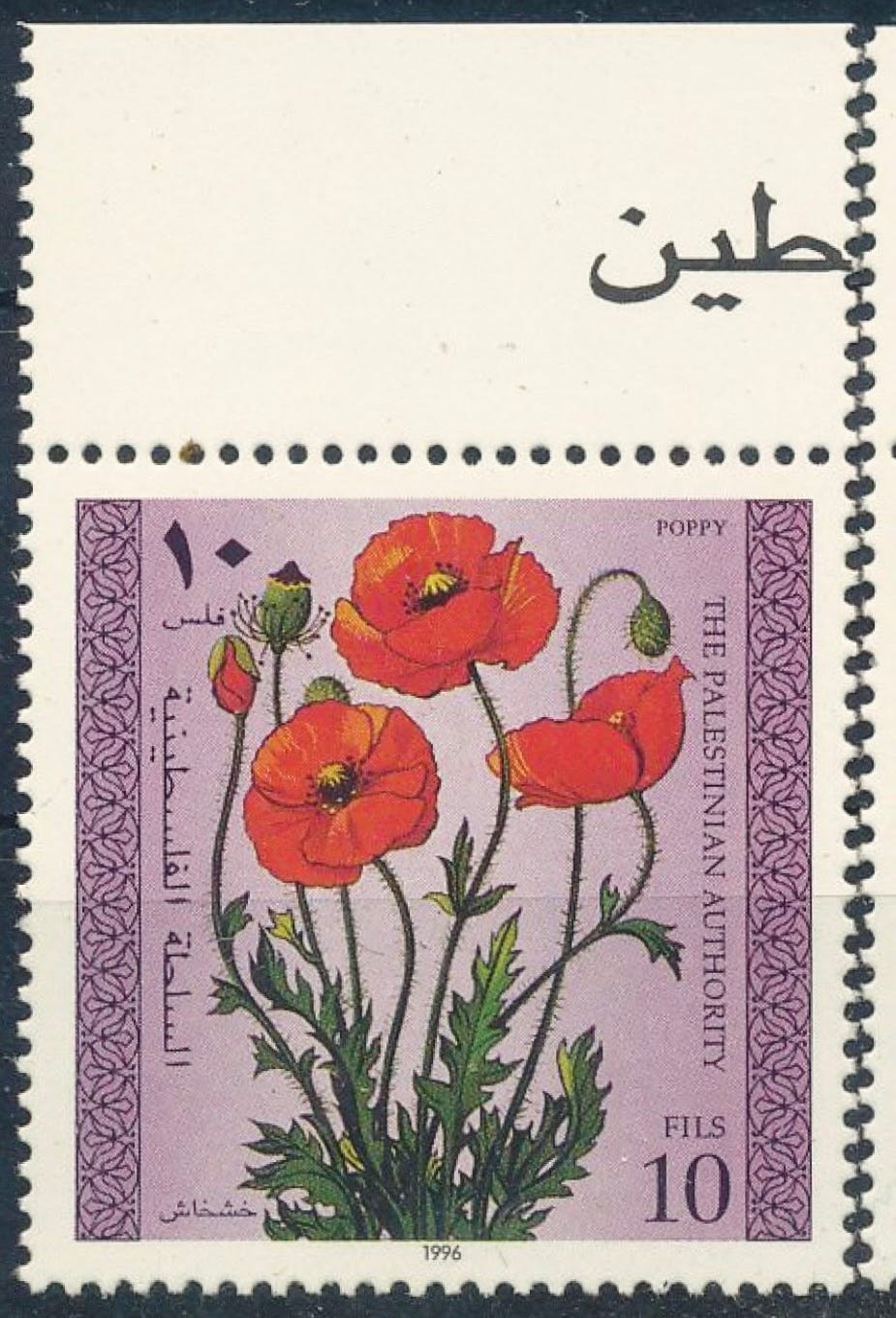
Across the rolling hills and limestone terraces of Palestine, winter rains coax a gentle wonder from the soil. For a brief, radiant season, fields and roadsides ignite with scarlet, as the Palestinian poppy — Anemone coronaria, known in Arabic as shaqa’iq an-Nu‘man — unfurls its satin petals to the sun. More than a wildflower, this anemone is a living emblem: of beauty and endurance, of memory and belonging, and of a people whose relationship with the land is intimate and ancient. Revered as the national flower of Palestine, the shaqa’iq an-Nu‘man binds botany to poetry and ecology to identity.
A Flower Shaped by Wind and Rain
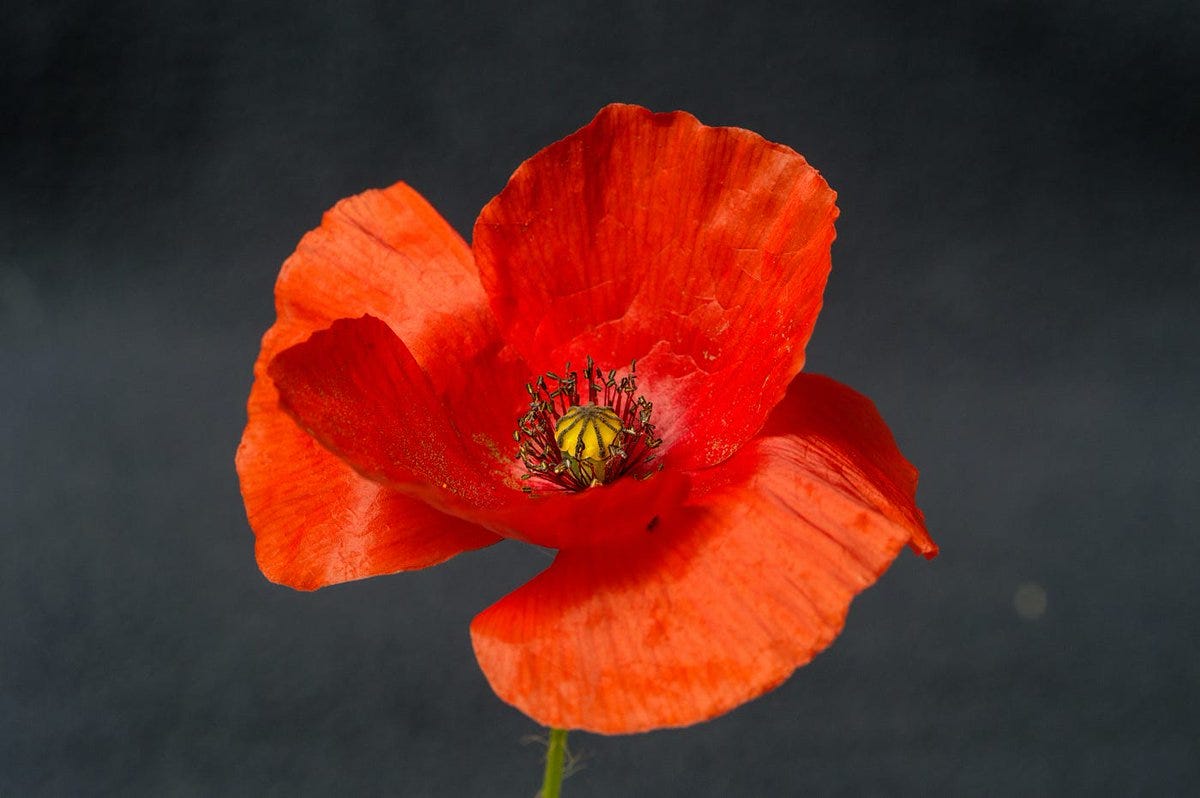
Botanically, Anemone coronaria belongs to the buttercup family, Ranunculaceae. Despite the common name “poppy,” it is not a true poppy but an anemone, its name drawn from the Greek anemos, or wind. The plant’s thin, luminous petals — most often a striking red, though sometimes pink, purple, or white — quiver with the slightest breeze. At the flower’s heart lies a dark, velvety disk of stamens, intensifying its visual drama. Growing from a subterranean tuber, the anemone survives the long summer drought in dormancy, returning with the winter rains in a cycle finely tuned to the Mediterranean climate.
Names, Legends, and the Color Red
The Arabic name shaqa’iq an-Nu‘man carries both linguistic depth and mythic resonance. Shaqa’iqsuggests rupture or brilliance, evoking the way color breaks open a subdued landscape after winter. An-Nu‘man is associated in folklore with ancient kings and legendary figures, and in popular tradition the flower’s red is said to spring from spilled blood. While similar legends circulate throughout the Levant, in Palestine the symbolism has become especially charged. The anemone’s scarlet hue has come to signify sacrifice, steadfastness (sumud), and the fierce persistence of life under pressure.
Rooted in the Spring Landscape
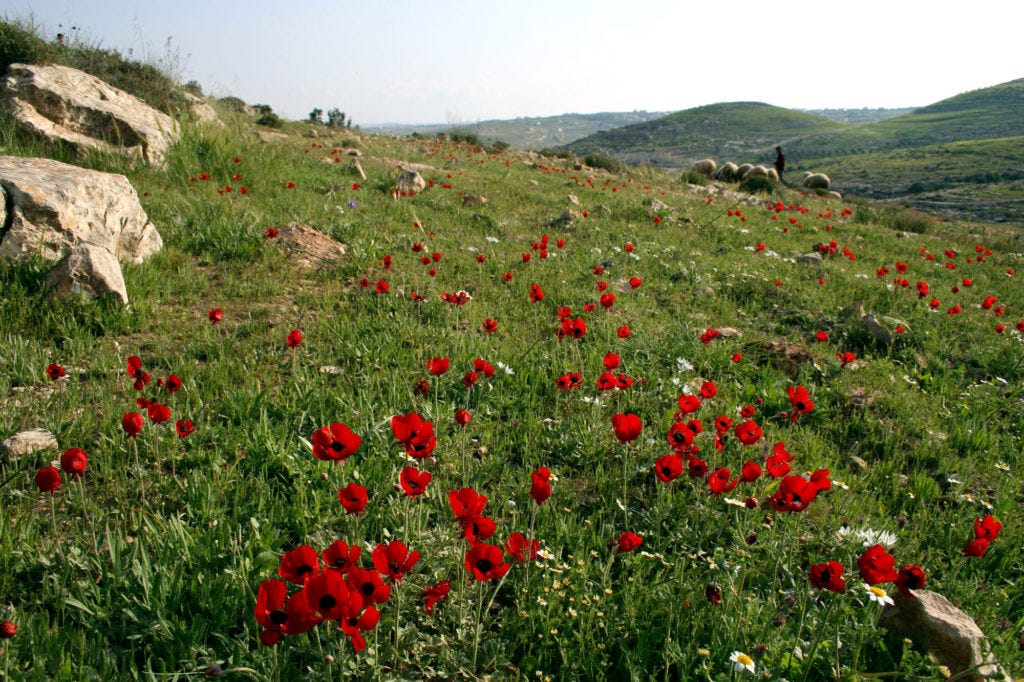
Ecologically, the Palestinian poppy is an essential presence in the spring countryside. It flourishes in open fields, olive groves, and along timeworn paths, blooming among wheat, barley, chamomile, and cyclamen. Its short flowering season supports early pollinators, while its underground tuber allows it to endure grazing, drought, and disturbance. For centuries, the anemone has reappeared across landscapes shaped by cultivation and passage, adapting without surrendering its place.
The Flower in Memory and Art
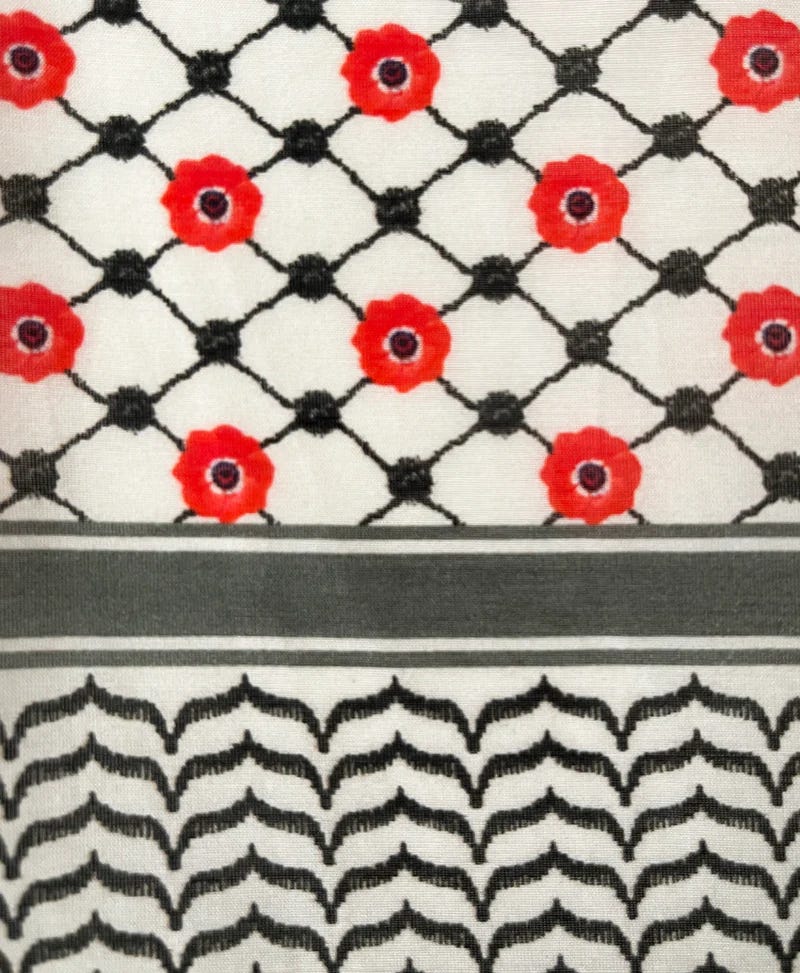
Culturally, shaqa’iq an-Nu‘man is woven into Palestinian imagination and expression. Poets have long used it as a metaphor for love that is intense and fleeting, for beauty bound to risk and loss. Its form recurs in embroidery, ceramics, painting, and contemporary visual art, stylized yet unmistakable. Each spring, families walk the hills to see the flowers bloom, continuing a ritual that marks time through the land itself. The anemone becomes a shared calendar, a collective recognition of season and continuity.
A Wild National Emblem
As a national flower, Anemone coronaria carries meaning precisely because it is wild. It is not confined to gardens or monuments; it insists on growing where it will. This untamed quality has made it a powerful emblem of rootedness. Like the people who cherish it, the anemone belongs to the soil not as ornament but as native presence, shaped by hardship and sustained by return. Its cycle of disappearance and reemergence offers a language of hope — of dormancy without erasure, of renewal after austerity.
Fragility and Stewardship
Yet the story of the Palestinian poppy is also a reminder of fragility. Habitat loss, overdevelopment, and environmental pressures threaten the open spaces where wildflowers flourish. Protecting Shaqa’iq an-Nu‘man is therefore more than an ecological concern; it is a cultural commitment. To safeguard the anemone is to preserve a living archive of relationships between people, land, and time.
Red That Returns
When spring sunlight catches the petals of Anemone coronaria, the hills breathe color. For a few weeks, the earth speaks in red — bold, tender, and unforgettable. In that voice, Palestinians hear echoes of their past, present, and future. The shaqa’iq an-Nu‘man does not last long, but it never truly leaves. It waits, patient beneath the soil, for rain and remembrance, ready once more to rise.