

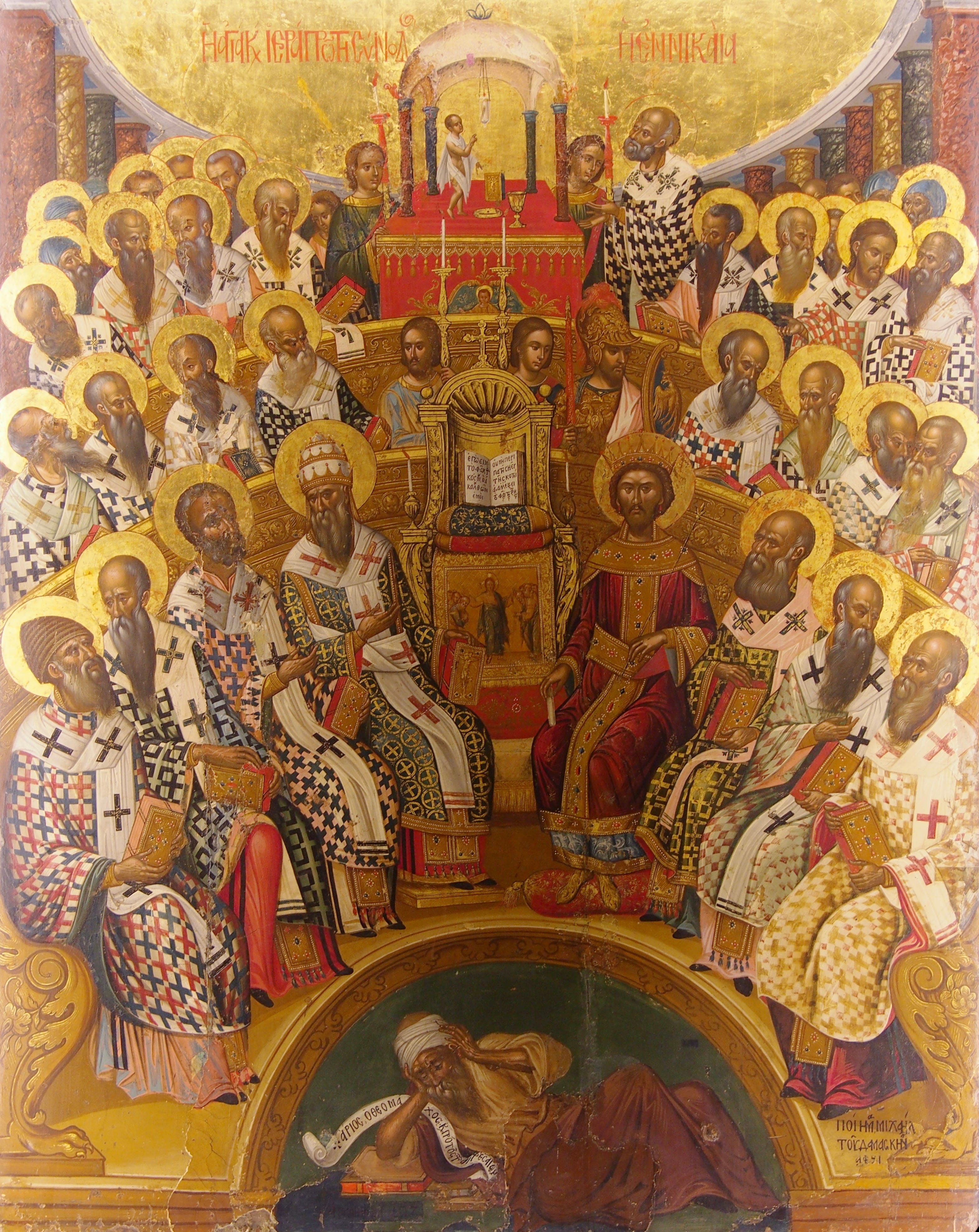
The papacy is often imagined as an institution rooted almost exclusively in Italy and Western Europe. Yet in the early centuries of Christianity, the leadership of the Church in Rome was far more diverse. Several popes came from the eastern Mediterranean, which in antiquity encompassed much of what is today Lebanon, Syria, and southern Turkey.
This should not be surprising. Jesus himself was from the Levant, and in the following centuries, it became one of the great heartlands of early Christianity. Cities such as Antioch, Tyre, and Emesa were vibrant centers of theology, trade, and culture, producing bishops, scholars, and saints whose influence extended across the Roman world.
Between the second and eighth centuries, six popes are generally recognized as having Levantine or Syrian origins. Their pontificates remind us that the early Roman Church was deeply interconnected with the eastern Mediterranean — and that figures from the Levant once stood at the very center of Christian leadership.
Anicetus: An Early Bishop of Rome from Emesa
One of the earliest Levantine figures to lead the Roman Church was Pope Anicetus, who served in the mid-second century. Tradition places his birth in Emesa, modern day Homs, an important Syrian city that was both a religious and cultural center of the Roman East.
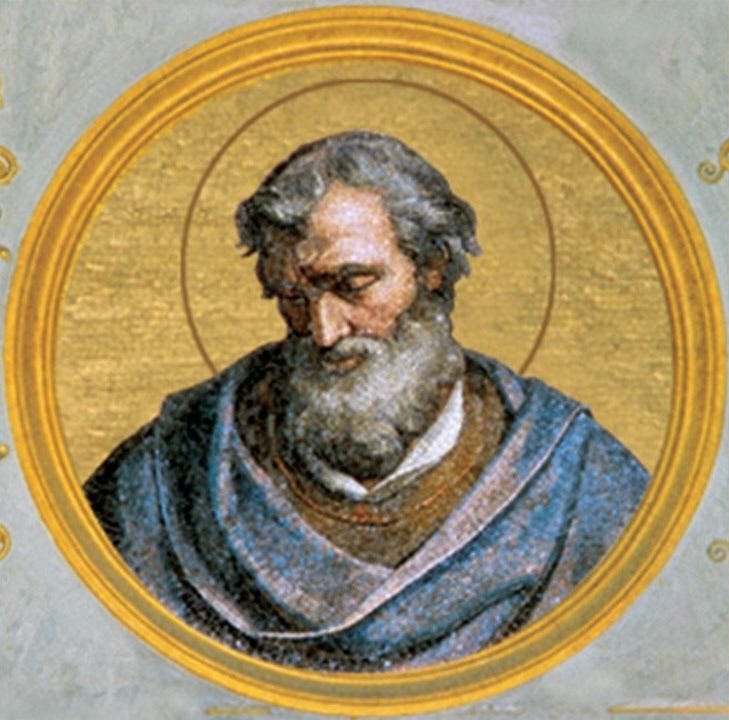
Anicetus governed the Church during a formative period when Christianity was still developing its structures and traditions. His papacy is remembered for a famous encounter with Polycarp of Smyrna, who visited Rome to discuss differing practices regarding the date of Easter. Though they maintained separate traditions, the two bishops remained in communion — a sign of the diversity that characterized the early Church.
John V: An Antiochene Pope
More than five centuries later, the papacy again passed to a man from the Levant. John V, born in Antioch, became pope in 685.
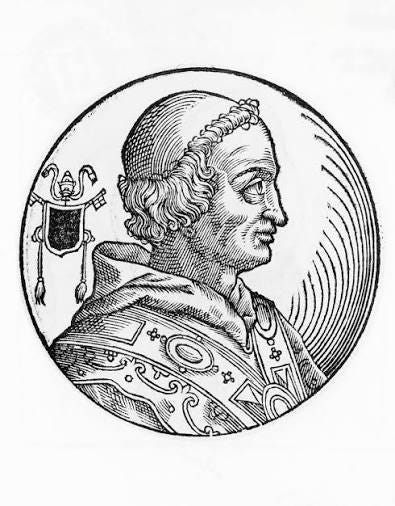
Antioch was among the most important cities of early Christianity and one of the intellectual centers of the eastern Roman Empire. Before his election, John had participated in the Third Council of Constantinople (680–681) as a papal representative, where the Church addressed major Christological debates of the time.
Although his pontificate lasted only about a year, his election reflects the continuing ties between Rome and the eastern Christian world.
Sergius I: A Syrian Family in the Mediterranean World
Sergius I provides a vivid example of the mobility that characterized the Byzantine Mediterranean. He was born in Palermo to a Syrian family originally from Antioch.
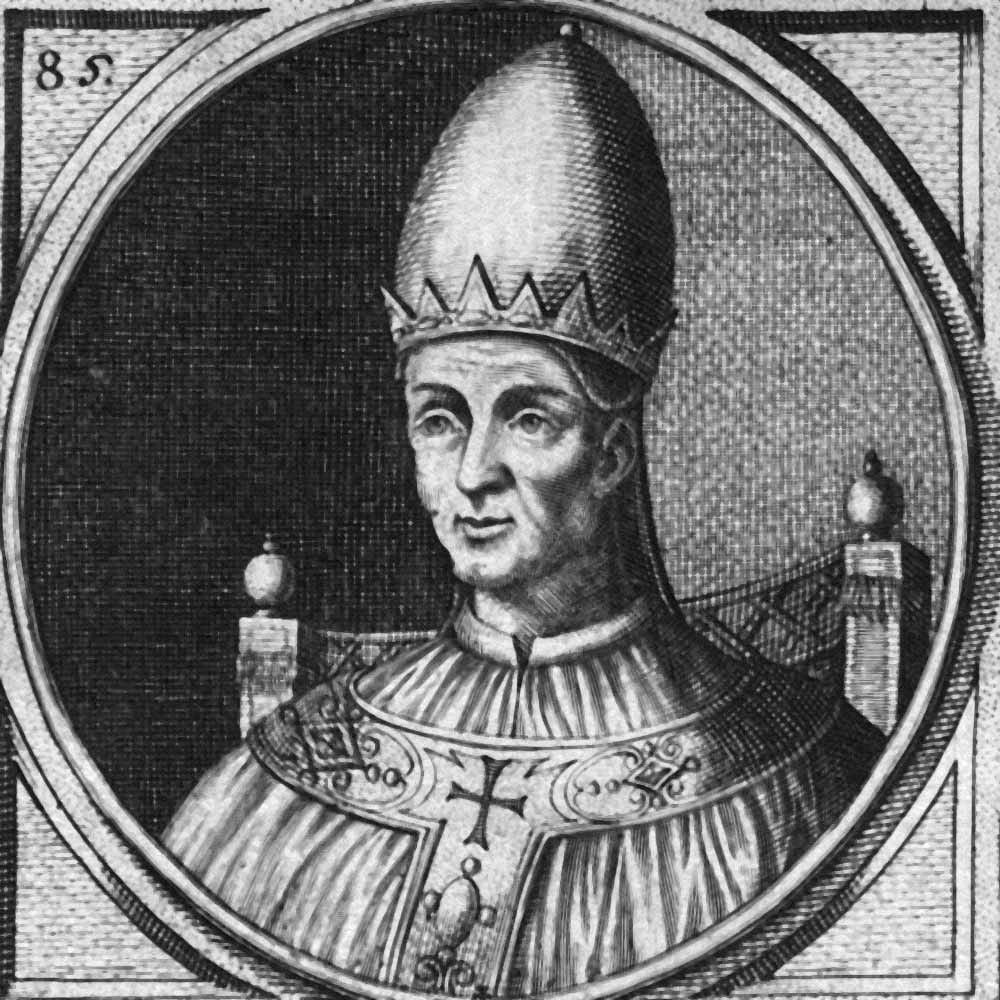
During his long pontificate (687–701), Sergius confronted the Byzantine emperor Justinian II, who attempted to impose disciplinary rulings from the Council in Trullo on the Western Church. Sergius refused to sign the council’s decrees, demonstrating the growing independence of the papacy from imperial authority.
He also left a lasting mark on the Roman liturgy, including the introduction of the Agnus Dei chant during the Mass.
Sisinnius: A Brief but Energetic Pontificate
Sisinnius, a pope of Syrian origin, ruled for only a few weeks in 708, making his reign one of the shortest in papal history.
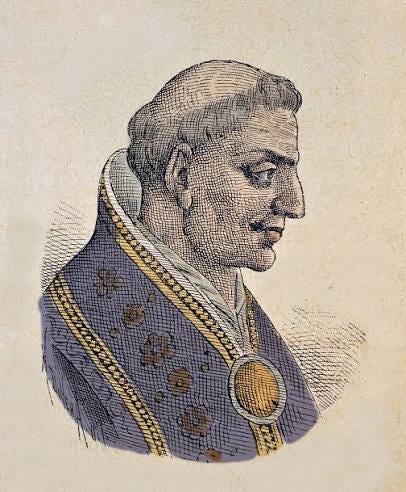
Despite his advanced age and illness, he immediately turned his attention to the defense of Rome, initiating efforts to repair the city’s deteriorating walls. Some later traditions associate his family with Tyre, an ancient Phoenician city on the Lebanese coast.
Constantine of Tyre
Sisinnius was succeeded by Constantine, who is traditionally said to have been born in Tyre.
Constantine’s papacy (708–715) was notable for a rare diplomatic journey: at the request of Emperor Justinian II, he traveled to Constantinople in 710. This visit was one of the very few occasions in which a pope personally visited the Byzantine capital during the early Middle Ages.
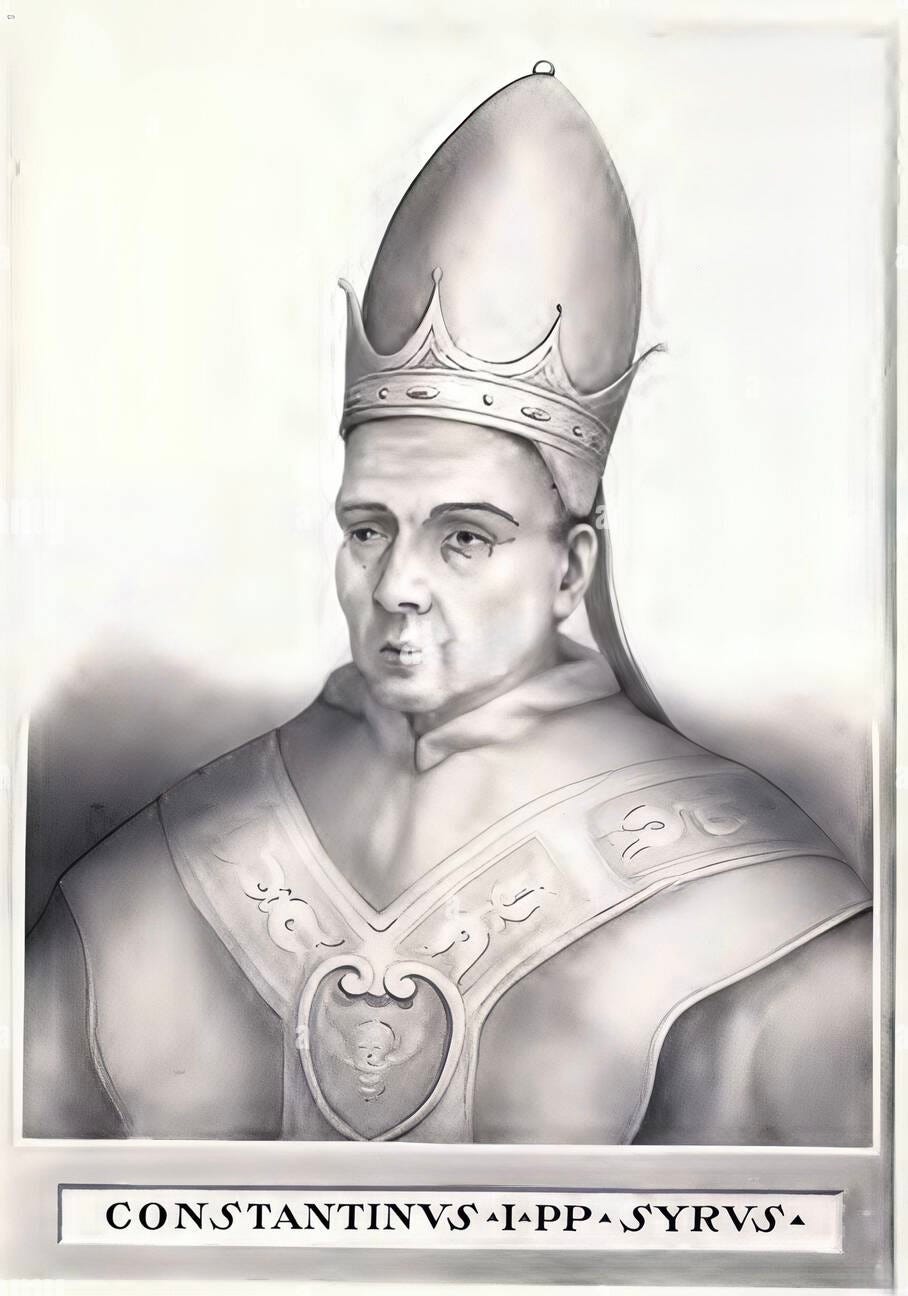
His diplomatic mission helped ease tensions between Rome and the empire during a politically volatile period.
Gregory III: The Last Levantine Pope of the Early Middle Ages
The final Levantine pope of this period was Gregory III, born in Syria and elected in 731.
Gregory’s papacy coincided with the iconoclast controversy, when the Byzantine emperors attempted to prohibit the veneration of religious images. Gregory firmly defended the traditional use of icons and convened a synod in Rome that condemned iconoclasm.
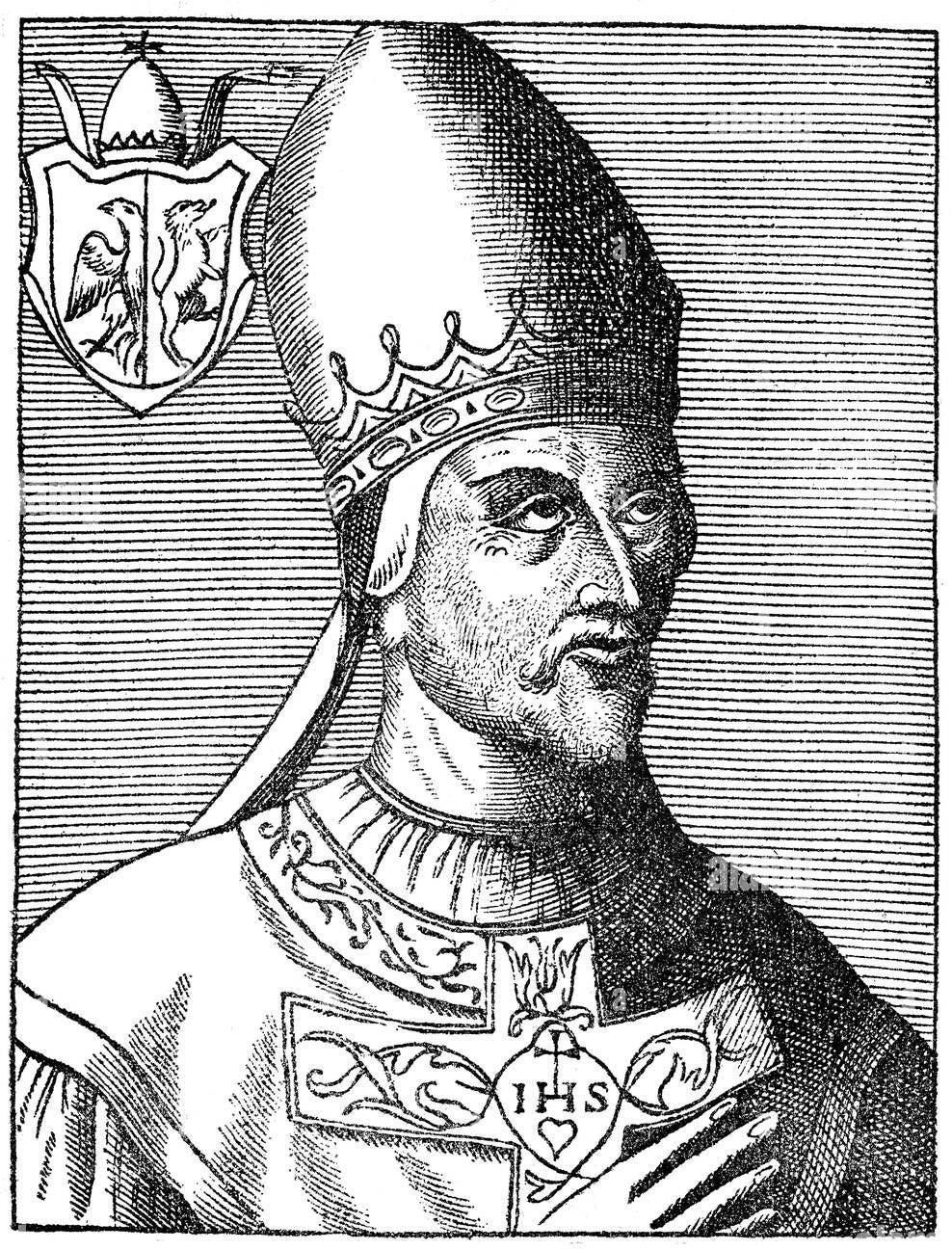
Historically, Gregory III occupies a unique place: he was the last pope from the eastern Mediterranean.
The Levant’s Place in Papal History
The existence of Levantine popes reminds us that early Christianity was profoundly Levantine in character. The intellectual and spiritual life of the Church flowed continuously between Rome and the great cities of the East.
For the Levant, this history forms part of a broader cultural heritage. Cities such as Tyre and Antioch were not peripheral to early Christianity; they were among its most dynamic centers.