

A Little-Known Native of the Hajar Mountains
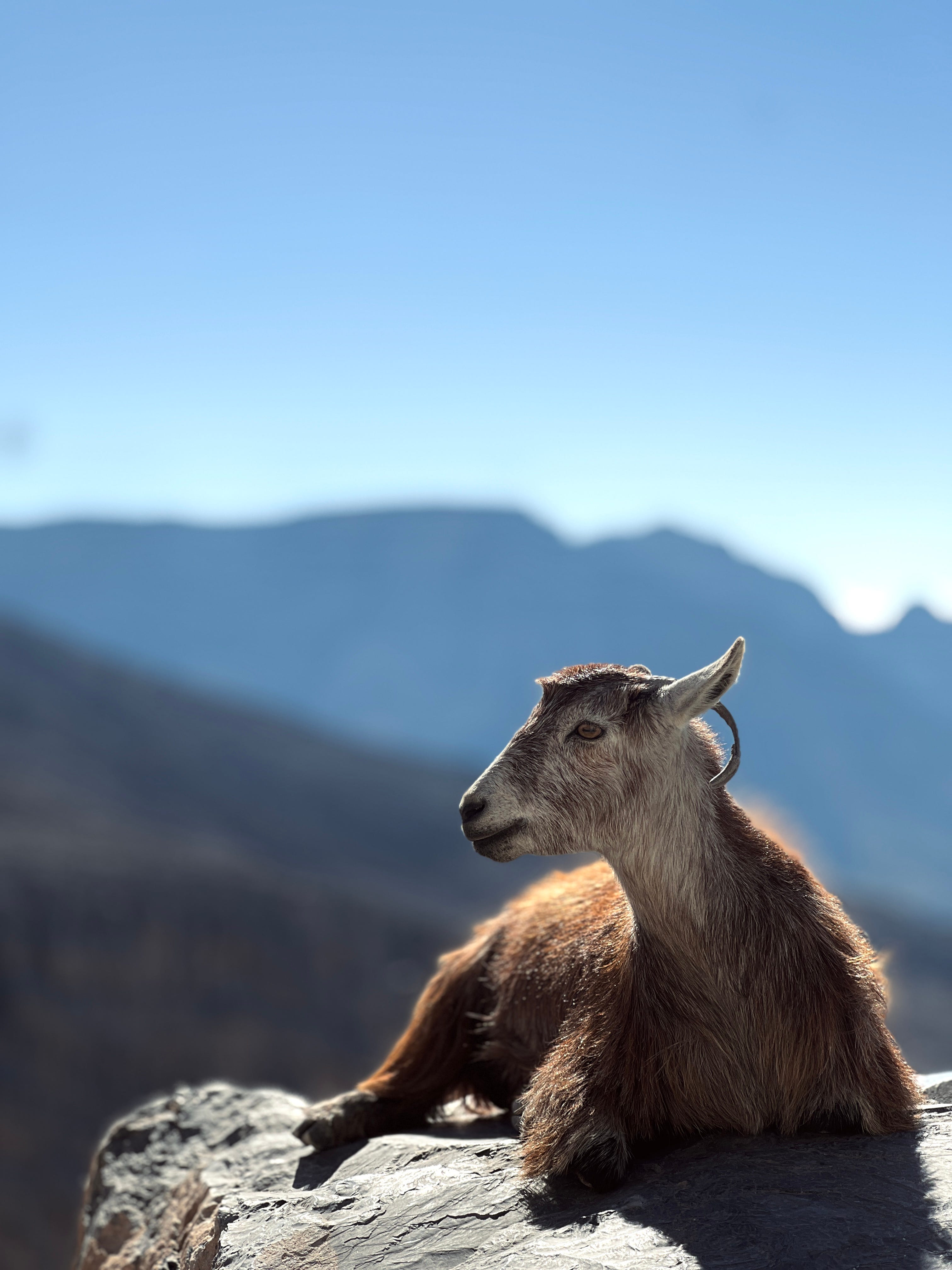
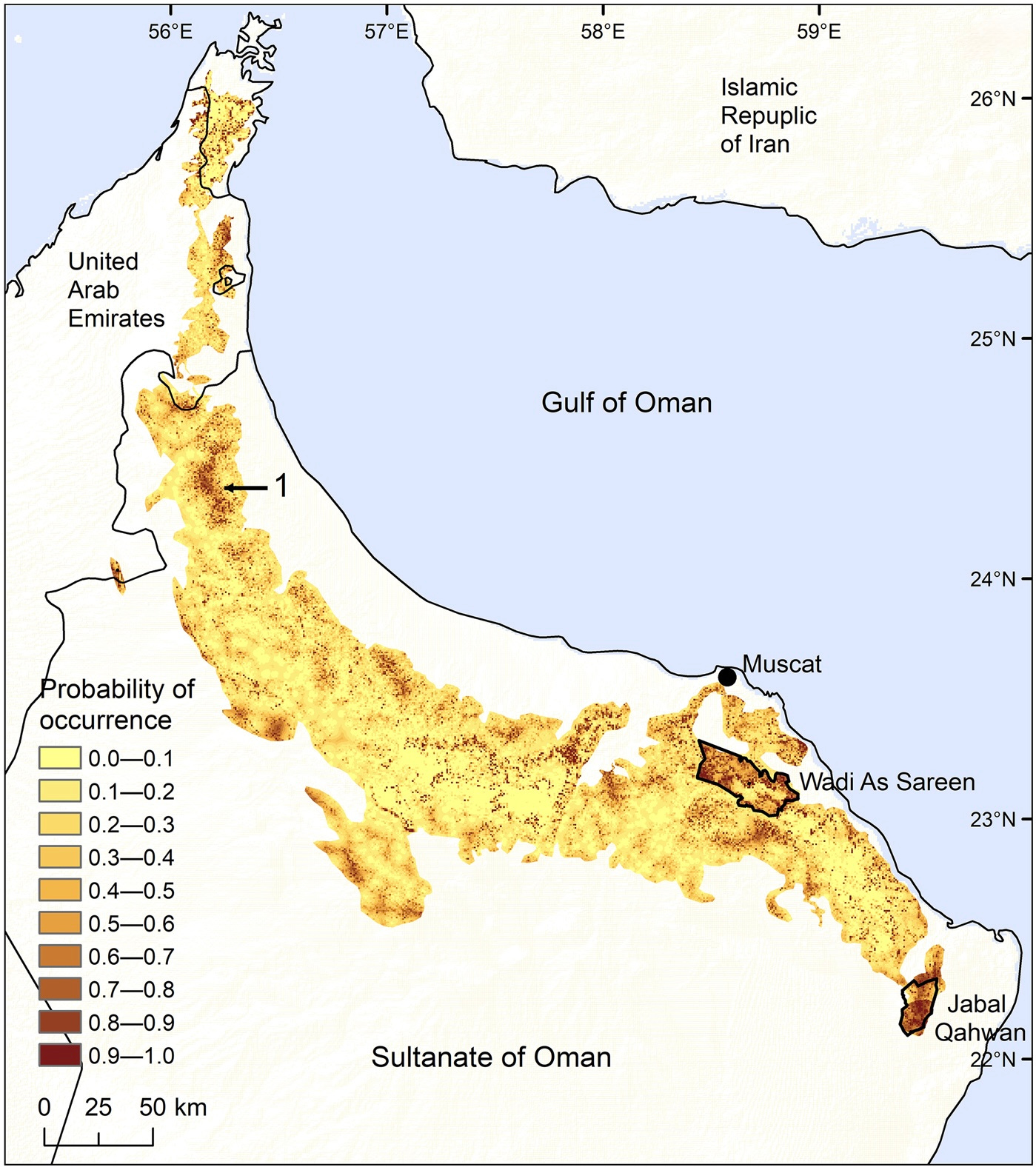
The Arabian tahr (Arabitragus jayakari) is one of the Arabian Peninsula’s most distinctive mammals, yet it remains little known. Endemic to the Hajar Mountains of northern Oman and the United Arab Emirates, it occupies a narrow range shaped by steep terrain, extreme temperatures, and scarce vegetation. Rarely seen and naturally cautious, the species is an important part of the region’s mountain ecosystems and a unique element of Arabia’s natural heritage.
A Species Apart
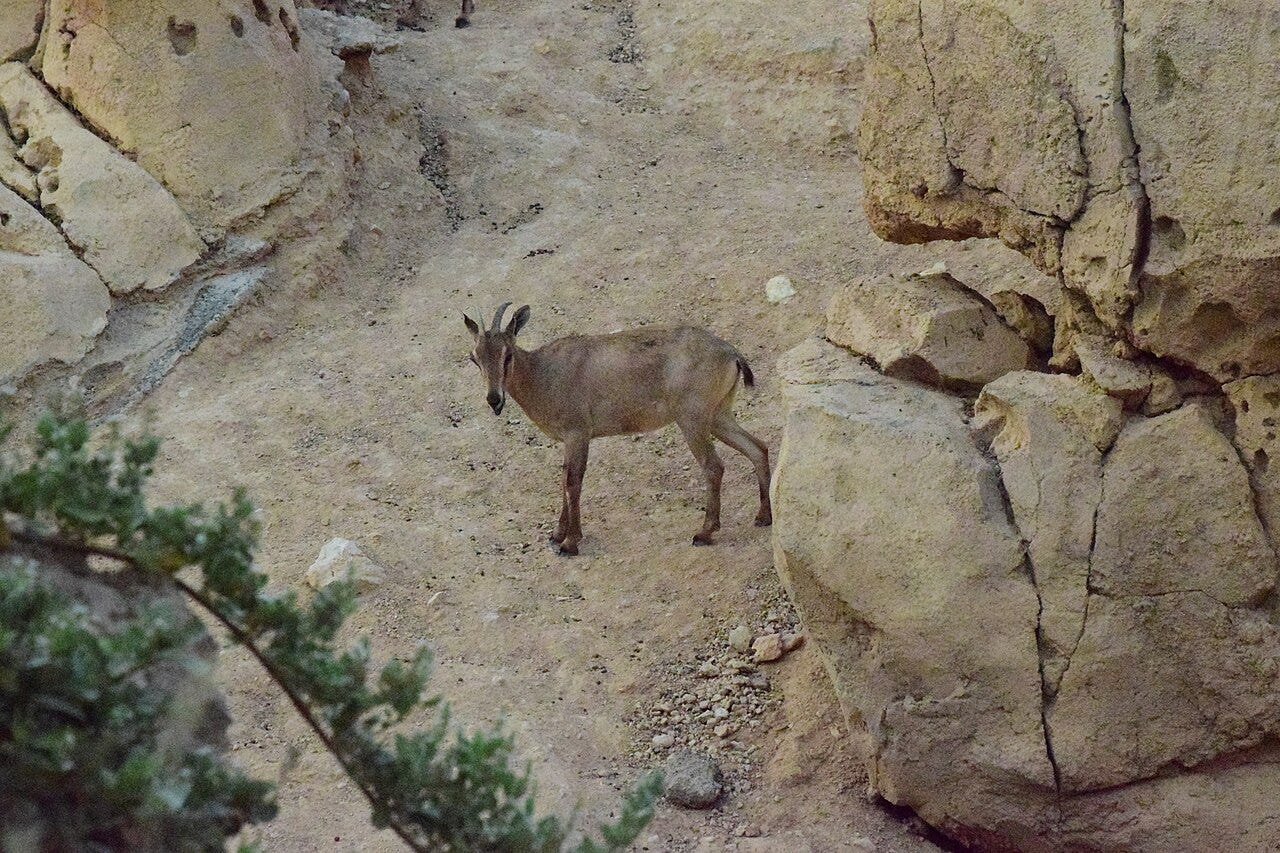
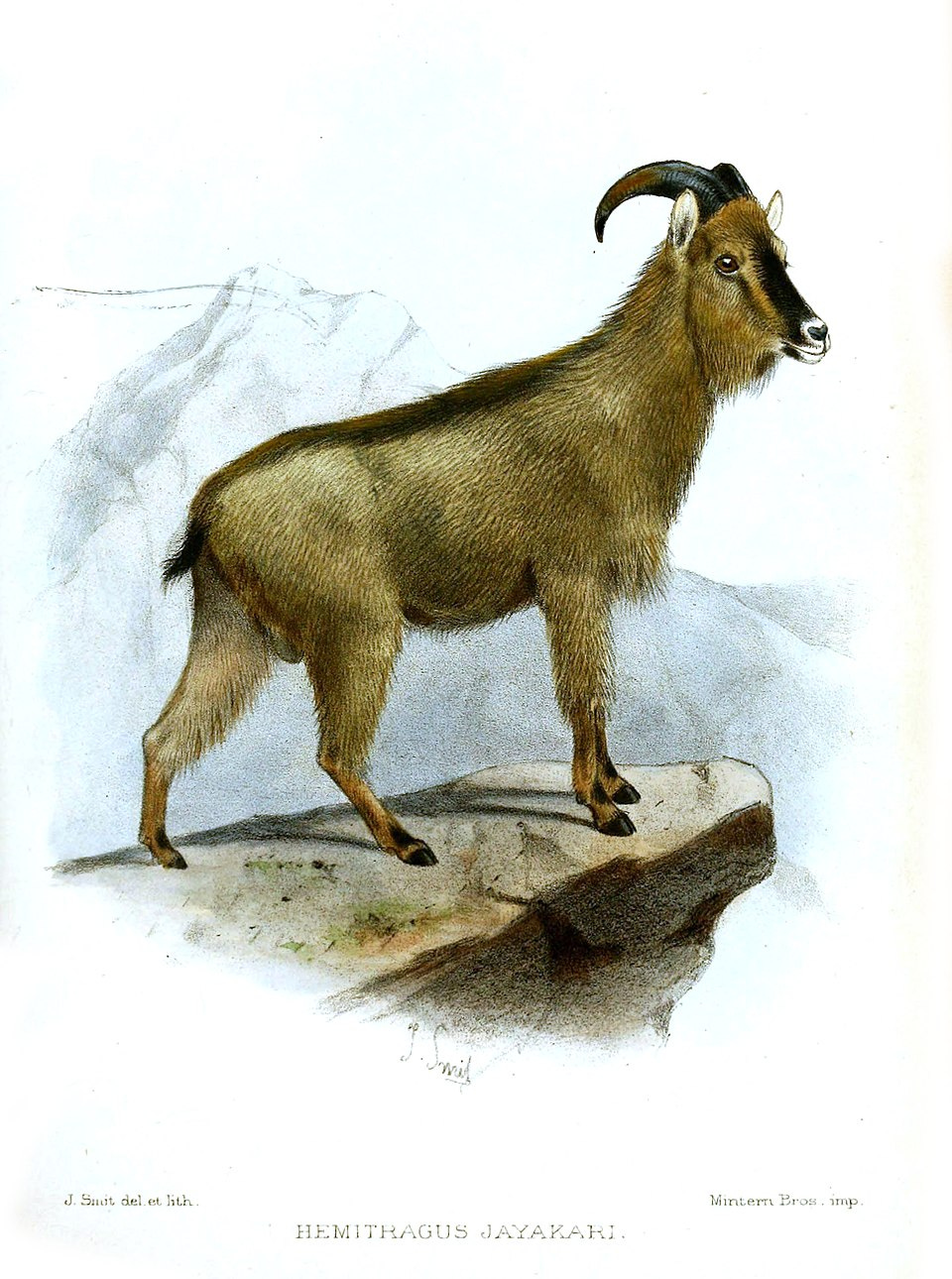
Once grouped with Asian tahr species, the Arabian tahr is now recognized as genetically and physically distinct and placed in its own genus, Arabitragus. This reflects a long period of isolation in southeastern Arabia. Adults stand around 60–75 centimeters at the shoulder and weigh between 20 and 40 kilograms. Males are larger and carry heavier, more curved horns, though both sexes are horned. Its compact build and strong limbs are well suited to life on rock faces.
Adapted to Harsh Seasons
Seasonal change shapes the tahr’s appearance. In winter, its coat thickens and darkens, providing insulation during cold mountain nights. Males develop longer hair along the neck and shoulders. In summer, the coat becomes shorter and lighter, helping the animal cope with intense heat. These changes are part of a wider set of adaptations for surviving extreme and unpredictable conditions.
Living in Steep and Arid Terrain
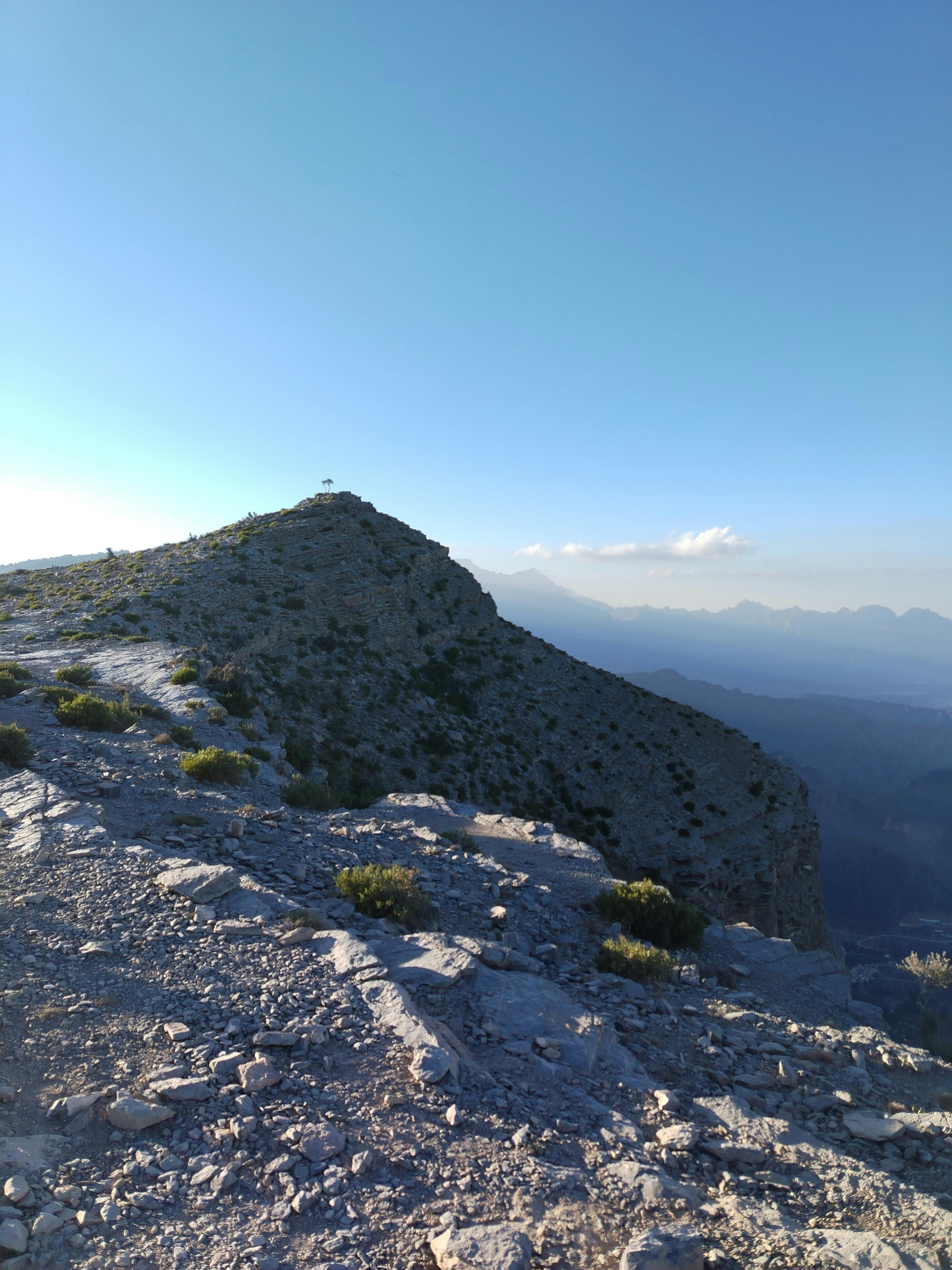
Arabian tahrs inhabit rugged slopes and cliffs from a few hundred meters to over 2,000 meters above sea level. Vegetation is sparse, but the terrain offers protection. Their split hooves, with soft undersides, provide excellent grip on rock, allowing them to move confidently across steep and unstable surfaces. This ability places much of their habitat beyond the reach of predators and people.
Feeding in a Dry Landscape
The species is a flexible browser, feeding on grasses, herbs, leaves, and shrubs depending on availability. It may also eat fallen fruit and occasionally stands on its hind legs to reach higher foliage. With little access to surface water, the Arabian tahr gains most of its moisture from food and minimizes water loss, an essential adaptation in dry mountain environments.
Social Life and Breeding Patterns
Arabian tahrs are most active during cooler hours. Females and young form small groups, while adult males are usually solitary outside the breeding season. The rut occurs in late summer or early autumn, when males compete for females through displays and brief clashes. After a gestation of about six months, a single kid is born. Within hours, it can climb confidently, a critical survival trait in steep terrain.
Decline in a Changing Landscape
The Arabian tahr is classified as Endangered. Habitat loss and fragmentation from roads, quarrying, mining, and settlement expansion have reduced suitable areas and isolated populations. Overgrazing by livestock further limits food availability. Hunting contributed to declines in the past, and although now largely illegal, its effects persist in the species’ restricted range.
Protection and Conservation in Oman
Oman supports the largest remaining populations and has led conservation efforts. Protected areas such as Wadi Sareen Nature Reserve were created specifically for the species, regulating grazing and development and prohibiting hunting. Ongoing research, including camera trapping and field surveys, helps monitor populations, while cooperation with local communities is increasingly central to long-term protection.

Why the Arabian Tahr Matters
The Arabian tahr is a key indicator of mountain ecosystem health in southeastern Arabia. Safeguarding it helps protect a wider network of species adapted to these environments. As one of the few large mammals unique to the region, its survival reflects both the ecological value of the Hajar Mountains and the importance of sustained conservation efforts.