

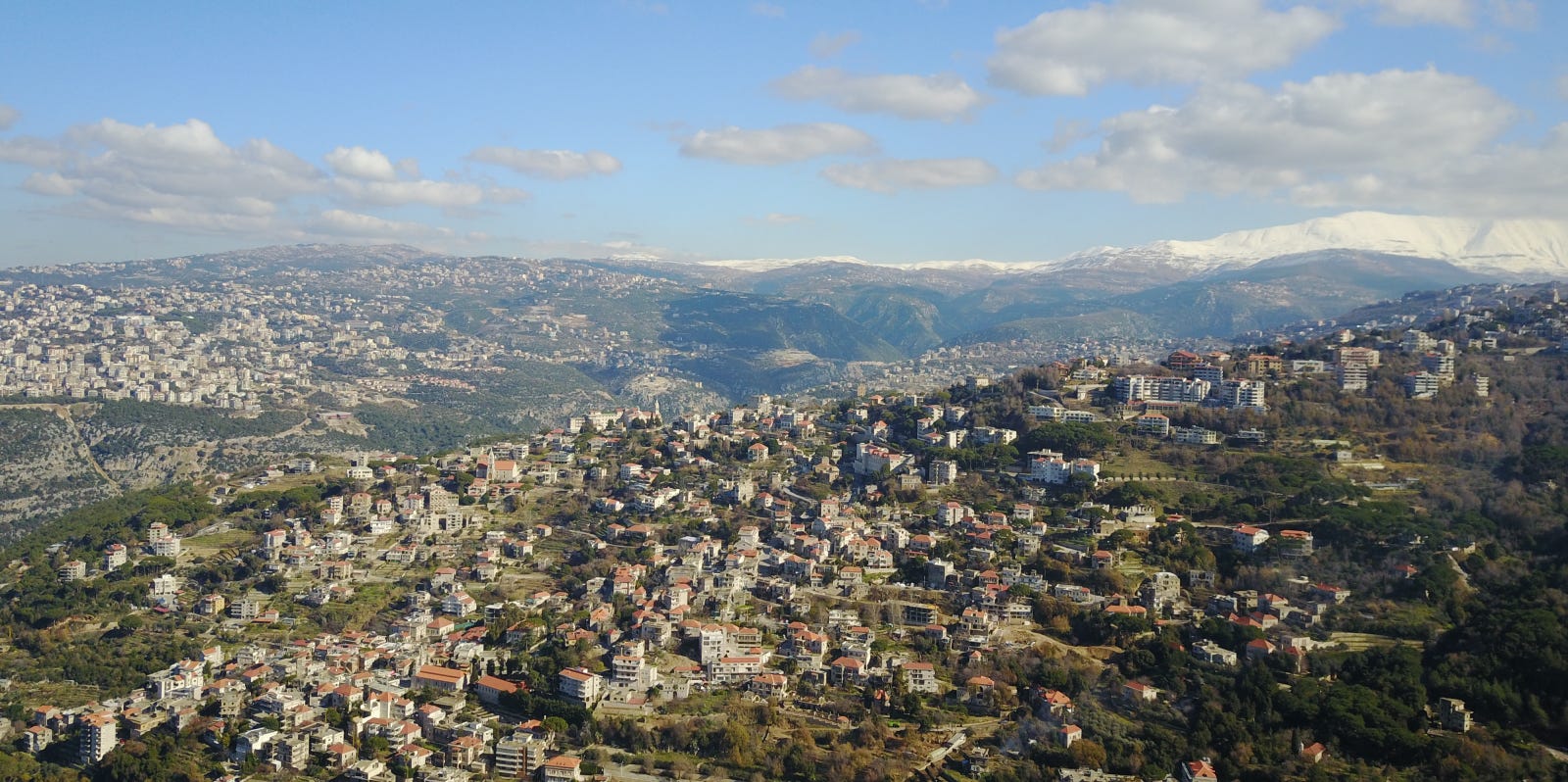
In the rich tapestry of Lebanon’s natural heritage, few names are as urgent as Bromus bikfayensis. This modest grass species, named for the town of Bikfaya in the Lebanese mountains, is now considered critically endangered — a disappearing thread in the ecological fabric of its homeland.
A Local Plant with Global Significance
Bromus bikfayensis is a perennial grass in the Bromus genus, a large group of grasses collectively known as bromes. Grasses in this genus can range from widespread and familiar species to highly localized ones like this.
According to botanical records maintained by Kew’s Plants of the World Online, Bromus bikfayensis is native exclusively to Lebanon and grows primarily in the subtropical biome of the region. It is known only in two forested areas in Bikfaya and Douma, two sites separated by 50 kilometers, making them genetically isolated and vulnerable.
Its very name reveals its heritage. In botanical Latin, the suffix “-ensis” refers to geographical origin — in this case, Bikfaya, a mountain town east of Beirut. This naming practice preserves local identities in scientific form, long after they might otherwise fade from global awareness.
A Species in Peril
Recent observations and conservation listings indicate that this grass is among Lebanon’s most critically endangered vascular plants — part of a broader “Red List” of species under threat. Though small and easily overlooked, its risk of disappearing entirely reflects a deeper crisis: grassland habitats in Lebanon are under severe pressure from development, grazing, and climate change.
Unlike charismatic animals or towering trees, grasses rarely make headlines. Yet species like Bromus bikfayensis — tied to specific mountain slopes and ecological niches — can be early casualties of environmental change, vanishing before most people even know they existed. In fact, only around one thousand individuals are estimated to remain.
What Makes It Special?
The Bromus genus includes grasses often defined by fine morphological details: narrow leaves, branching seed heads (panicles), and delicate spikelets (the tiny units that carry seeds). These features matter enormously to botanists trying to distinguish one species from another.
In Lebanon’s mountain environments, Bromus bikfayensis is part of a unique plant community alongside other endemic or localized species — its presence tied to soils and microclimates that may not exist elsewhere.
Why Its Loss Would Matter
When a species like Bromus bikfayensis disappears, the loss is more than scientific trivia. Each species plays a role in its ecosystem — in soil health, seasonal cycles, and the invisible network of interactions that sustain life. The disappearance of a grass may seem subtle, but it can signal that a habitat is unraveling.
Moreover, Bromus bikfayensis represents a living link to Bikfaya’s landscape — a botanical emblem of place. Its decline reminds us that biodiversity isn’t only about faraway rainforests or endangered tigers; it exists in the hills, fields, and grasslands close to home.
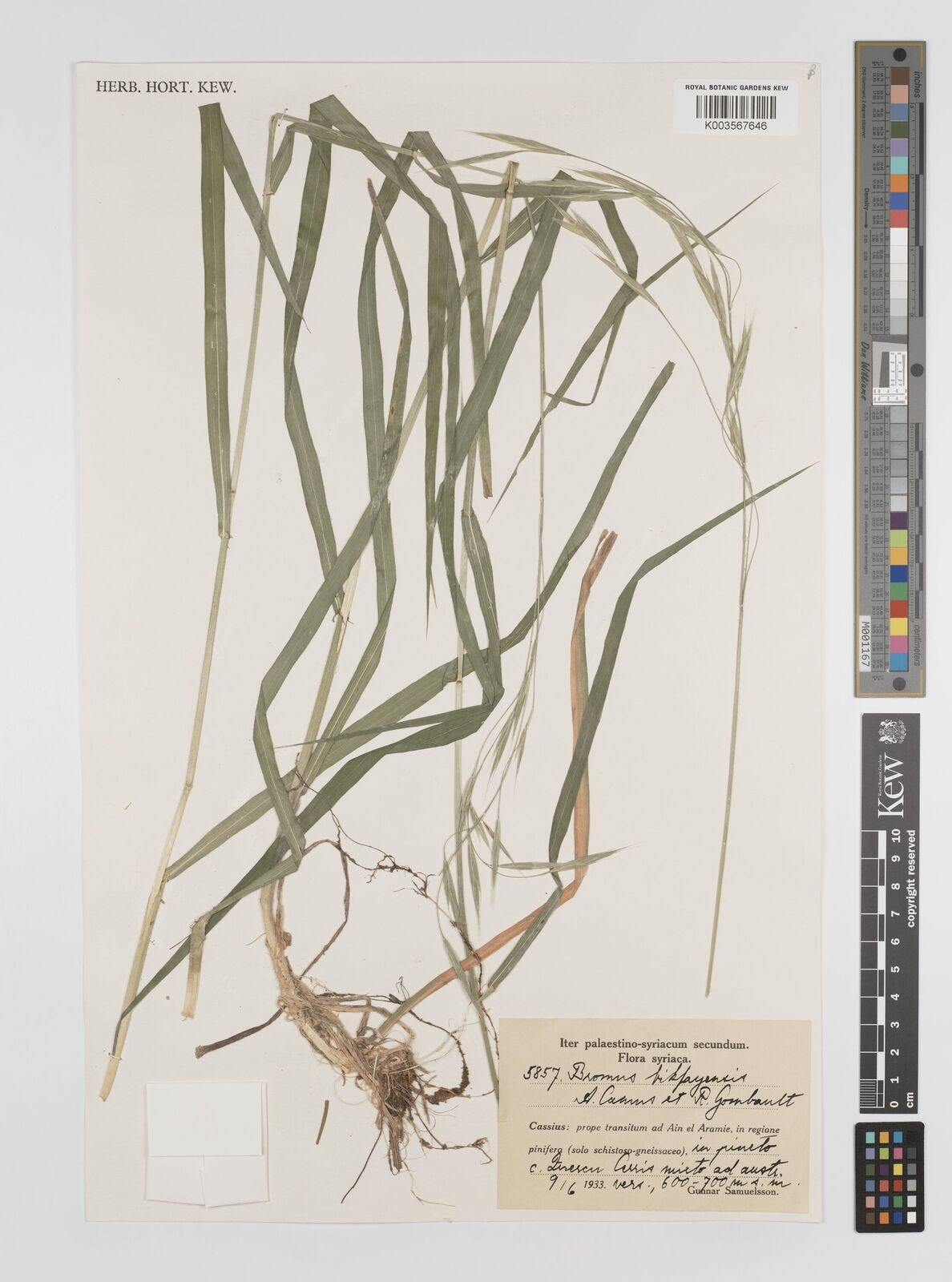
Seeing the Unseen
The story of Bromus bikfayensis challenges us to broaden our ideas of what matters in conservation. It is neither showy nor economically useful, yet its potential extinction raises pressing questions: which species are we paying attention to, and which are fading in silence?
In recognizing and valuing plants like Bromus bikfayensis, we honor not just a grass, but the landscape, history, and delicate ecological balance of Lebanon’s mountains — before another piece of that story is lost forever.
Note: No confirmed field photographs of Bromus bikfayensis are currently available in public archives. This absence reflects the plant’s extreme rarity and highlights the fragility of Lebanon’s lesser-known flora.