

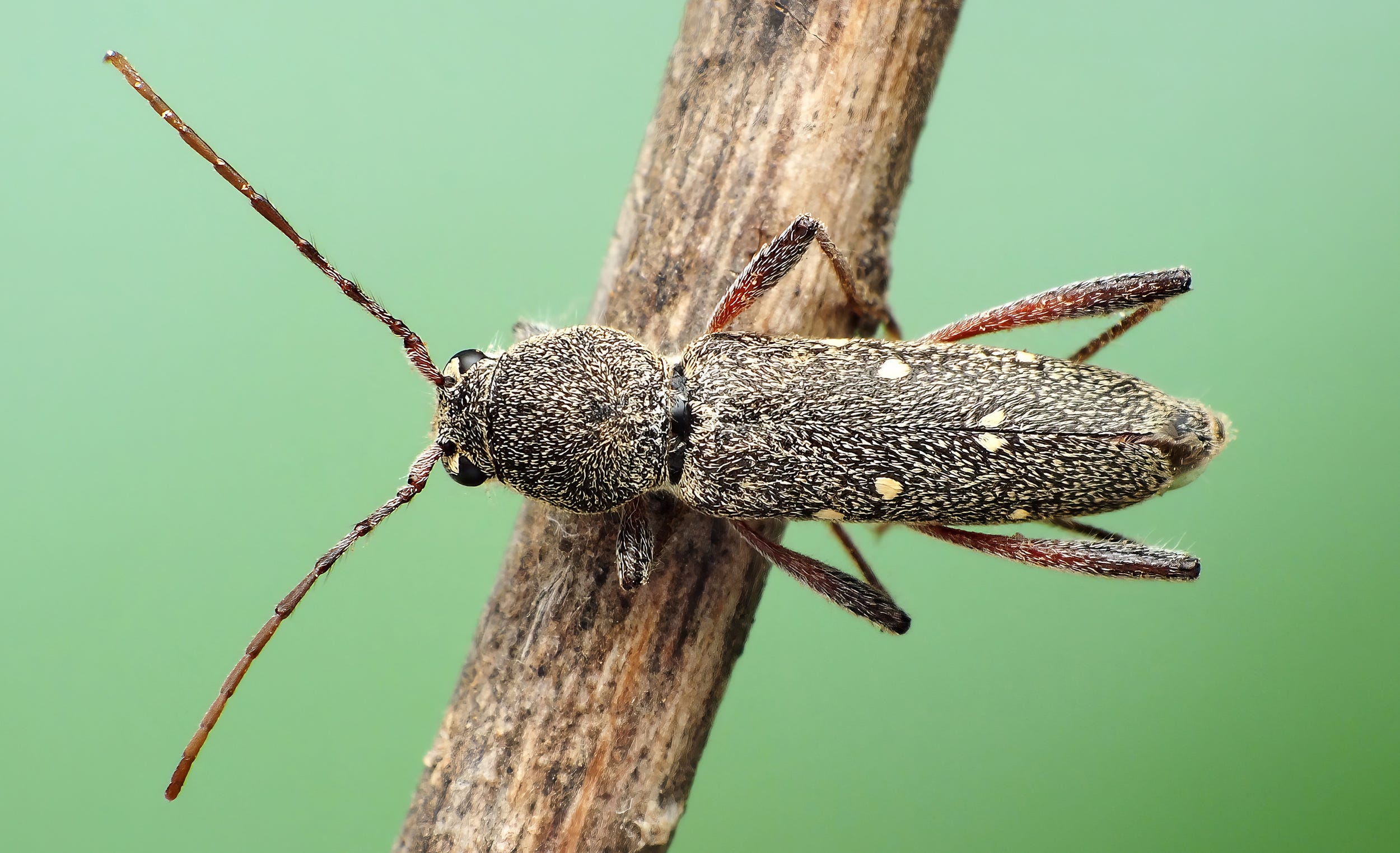
In the rugged mountain landscapes of Lebanon, a small and easily overlooked beetle tells a much larger story about biodiversity and scientific discovery. Libanoclytus tommasoi, a species described as recently as 2010, is not just another addition to the insect world — it represents an entirely new genus within the longhorn beetle family, Cerambycidae.
Its discovery reflects how even in regions with long histories of natural study, new species continue to emerge, often hidden in plain sight.
A Species That Redefined Its Own Category
When entomologists Gianfranco Sama, Pierpaolo Rapuzzi, and Antoine Kairouz first described Libanoclytus tommasoi, they realized they weren’t just classifying a new species — they were identifying something structurally distinct enough to require a new genus altogether. That is no small feat in taxonomy, where new genera are proposed only when differences run deeper than superficial variation.
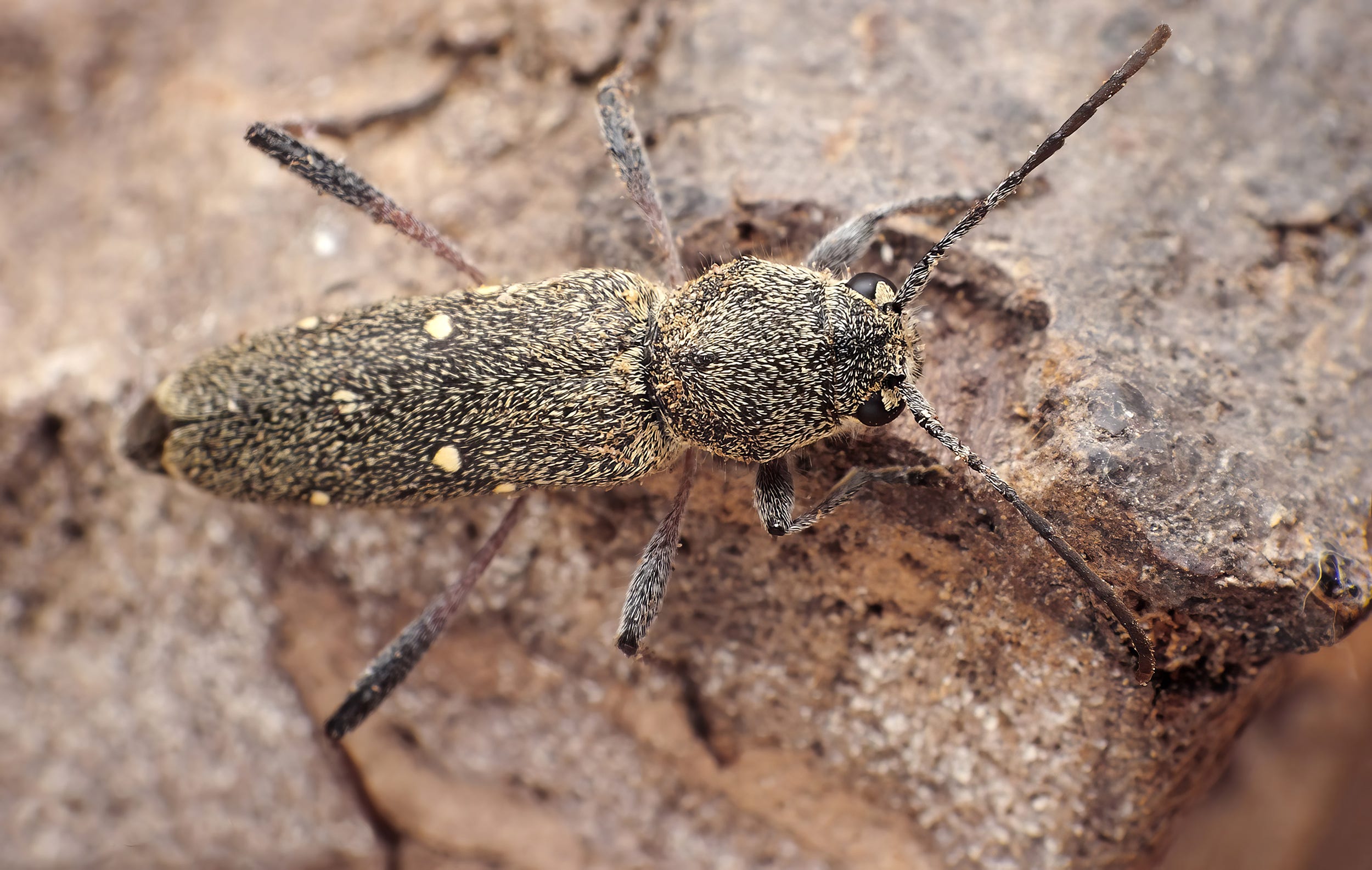
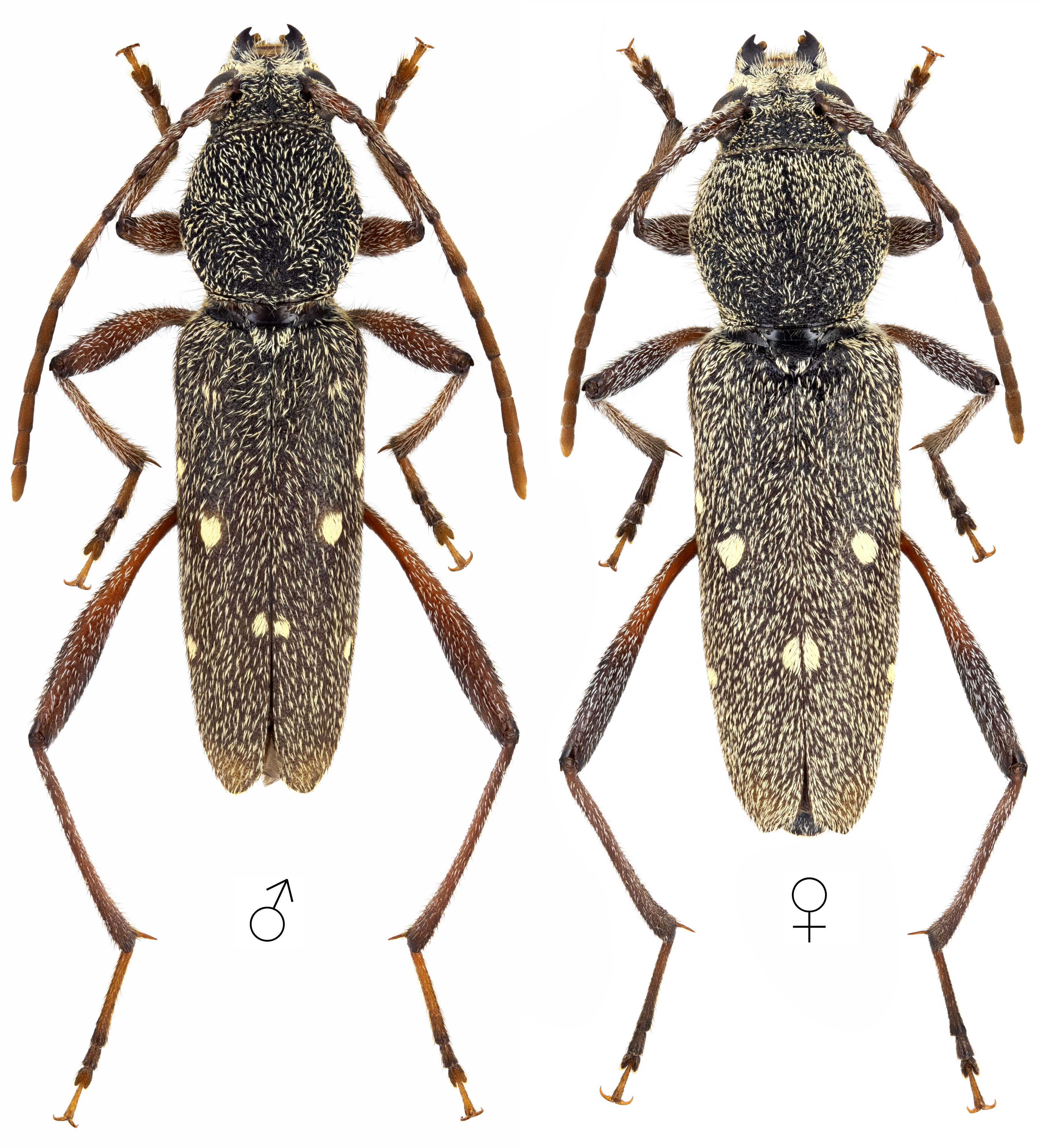
At first glance, the beetle fits comfortably within the tribe Clytini, a group known for species that often mimic wasps in coloration and form. Yet closer inspection reveals subtle but decisive differences in its anatomy: the shape of its thorax, the structure of its head, and fine details in its body segmentation set it apart from its relatives.
Measuring just over a centimeter in length, L. tommasoi is modest in size, but its scientific importance far outweighs its physical presence.
Life Among the Trees
Like many longhorn beetles, Libanoclytus tommasoi is intimately tied to trees — not living ones in their prime, but those in decline. Its larvae develop within dead or decaying branches, making it part of a specialized ecological group known as saproxylic insects, organisms that depend on decomposing wood.
Field observations have linked the species to trees such as Ficus carica, Morus, and Cercis siliquastrum. These trees, common across Mediterranean landscapes, provide both nourishment and shelter during the beetle’s larval stage, which can last up to two years.
Adults typically emerge in late spring, around May and June, coinciding with warmer temperatures and increased biological activity in forest ecosystems. Their brief adult lives contrast sharply with their long developmental period, a pattern typical of the Cerambycidae family.
A Regional Native with a Narrow Range
So far, Libanoclytus tommasoi has been documented primarily in Lebanon and parts of neighboring Syria. Within Lebanon, it has been found in mountainous regions, including areas like the Qadisha Valley, a landscape known for both its ecological richness and cultural history.
This relatively limited distribution suggests that the species may be endemic to the Levant or at least highly specialized to its environment. Such narrow ranges often make species more vulnerable to habitat changes, though detailed conservation assessments for L. tommasoi are still lacking.
Why It Matters
At a glance, a small wood-boring beetle might not seem especially noteworthy. But species like Libanoclytus tommasoi play an essential role in maintaining forest health. By breaking down dead wood, they contribute to nutrient cycling, helping sustain the ecosystems they inhabit.
Beyond ecology, the species also underscores a broader scientific truth: biodiversity is still far from fully catalogued. Even in regions close to human settlement and long studied by naturalists, entirely new branches of the tree of life continue to be discovered.
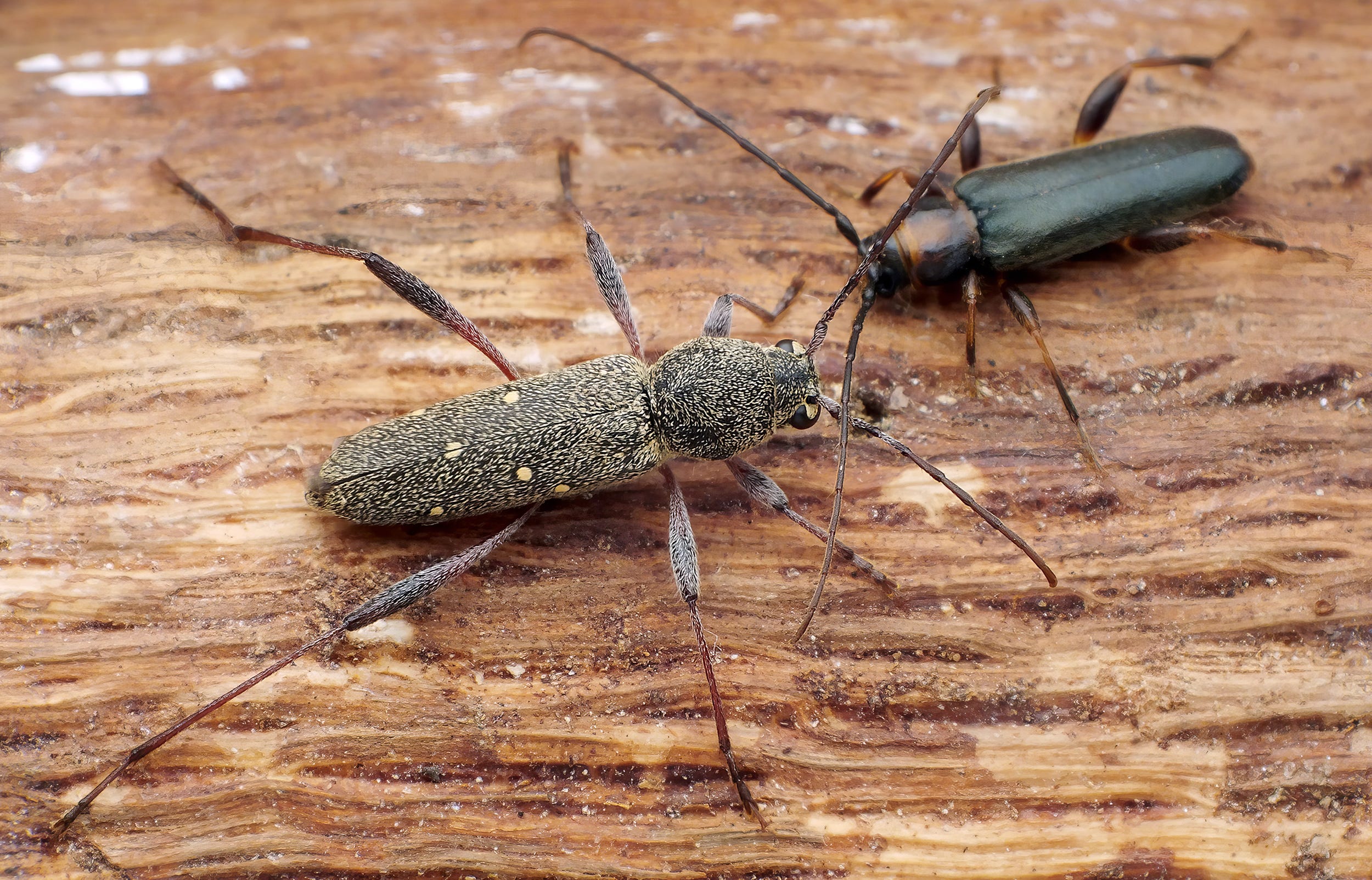
In that sense, Libanoclytus tommasoi is more than an insect. It is a reminder that nature still holds secrets, and that careful observation — sometimes of the smallest creatures — can reshape our understanding of the natural world.
References
Sama, G., Rapuzzi, P., & Kairouz, A. (2010). Catalogue commenté des Cerambycidae du Liban.
Hoskovec, M. (2023). Species account of Libanoclytus tommasoi.
Márkus, A., & Németh, T. (2016). Notes on Cerambycidae host plants and ecology.