

Between 1700 and 1900, Beit Chabeb flourished as a center of bell-making, with thirteen workshops operating at the height of its craft. That legacy was shattered during the Great Famine (1915–1918), when many artisans fled and others perished. By the end of the Second World War, only two workshops were still standing. Today, a single bell founder remains — the last guardian of a centuries-old tradition.
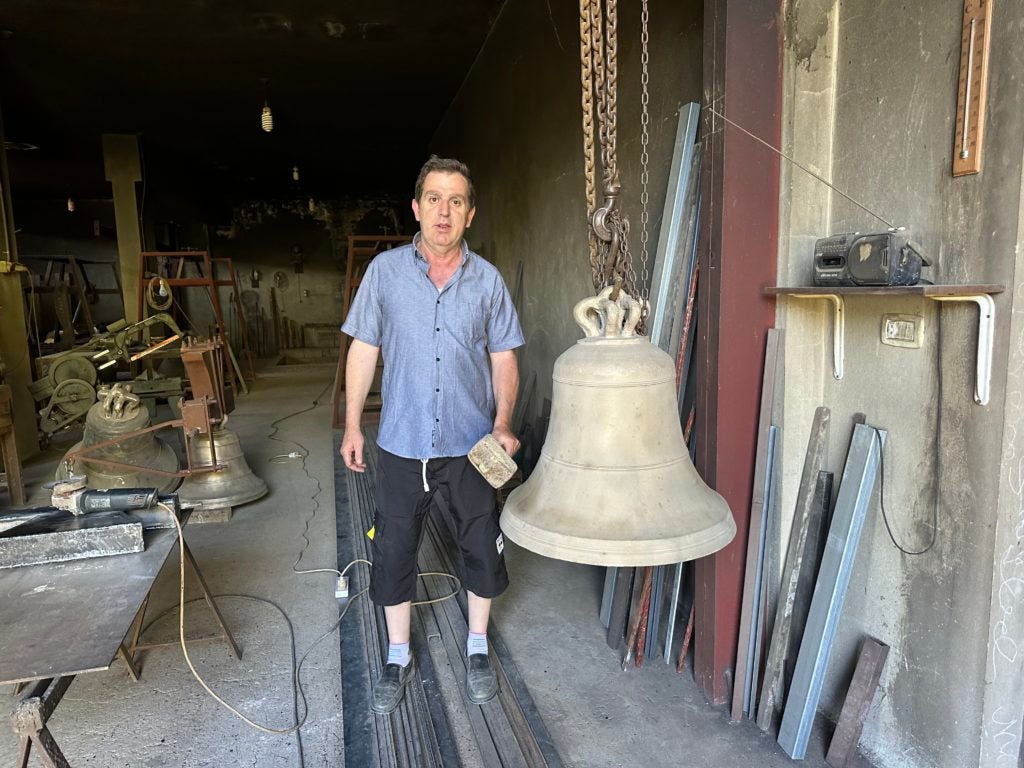
At dawn, before the mountain air has fully warmed and before the village stirs awake, a furnace is already burning in Beit Chabeb. Inside a spacious but timeworn workshop, metal begins its slow transformation into something far more enduring than its raw form. Here, in this quiet corner of Mount Lebanon, Naffah Naffah continues a craft that has defined his family for more than three centuries: bell making.
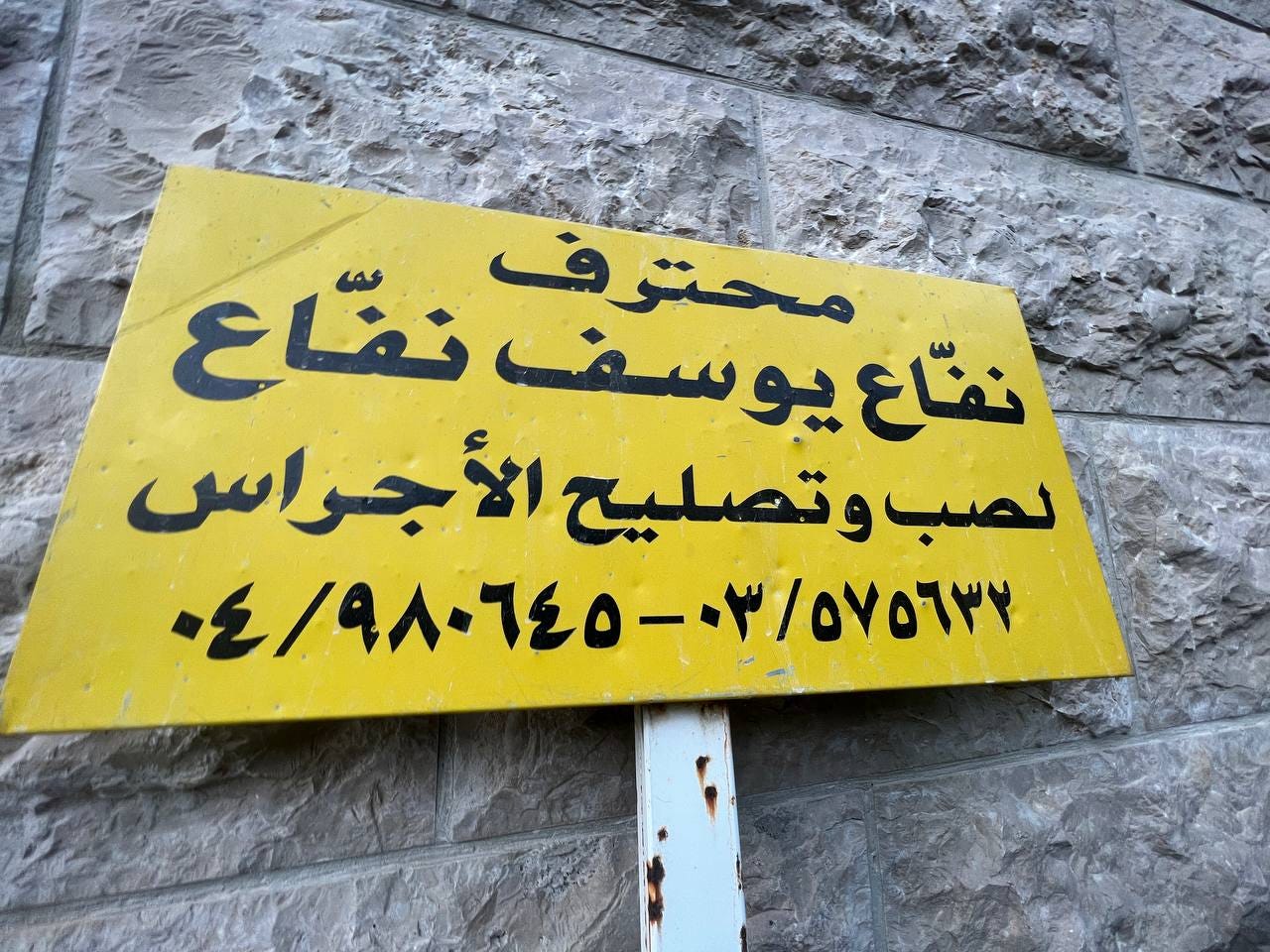
He owns the only factory in the region that makes them. The bells he creates will one day ring across valleys, call the faithful to prayer, toll in mourning, or peal in celebration. Yet before they become voices of churches, they begin as molten bronze poured carefully by the hands of a man widely regarded as Lebanon’s last traditional bell maker.
Craft Rooted in Migration and Memory
The story of the Naffah family’s craft stretches back to the early 1700s, when Russian bell founders settled in Beit Chabeb. Drawn by Lebanon’s growing Christian communities and the need for church bells across Mount Lebanon and beyond, these craftsmen brought with them specialized knowledge of casting techniques that were rare in the region.
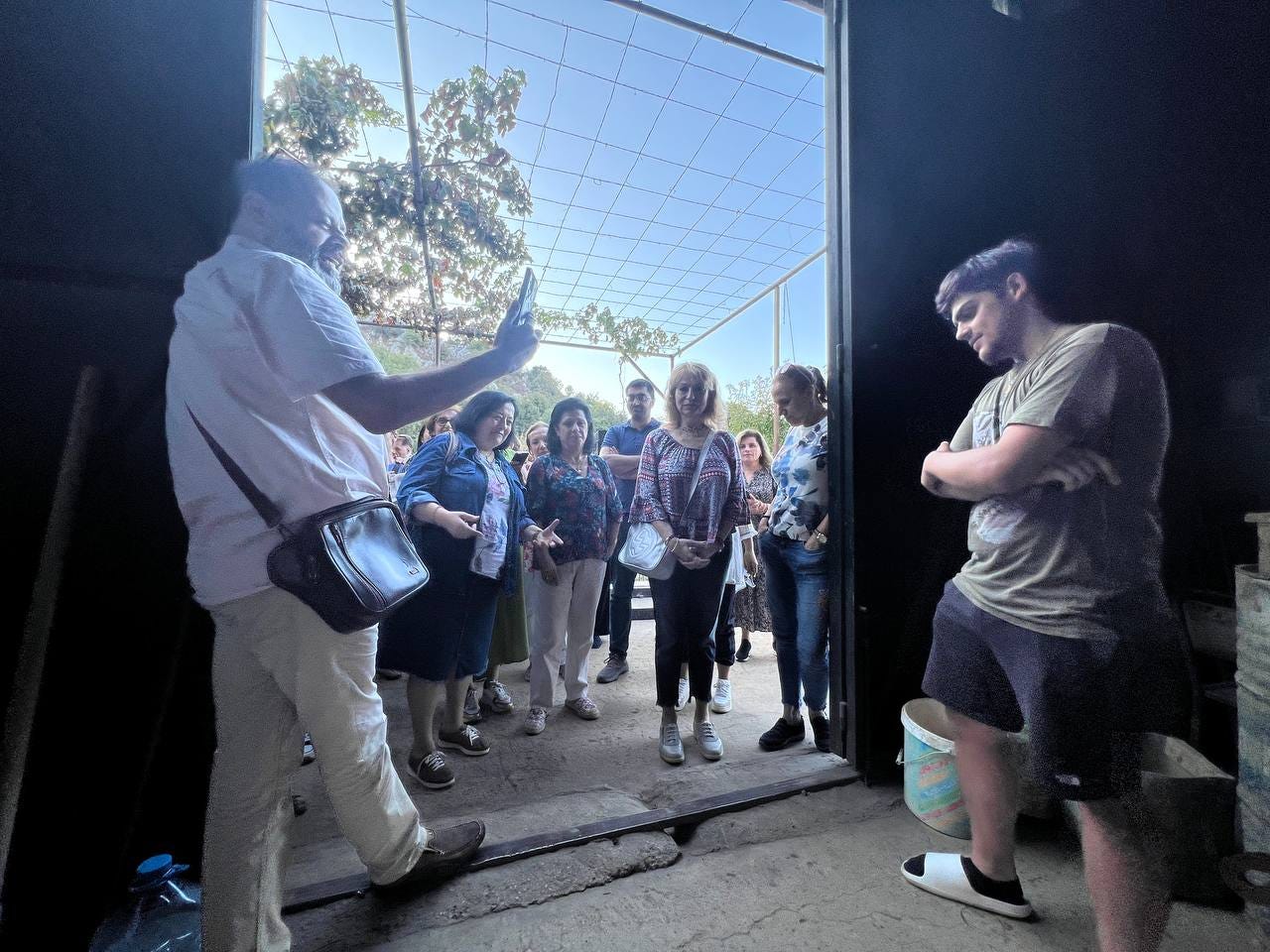
Among their apprentices was a young local man named Youssef Gabriel, an ancestor of Naffah. Under Russian mentorship, Gabriel learned to shape clay molds, calculate alloy mixtures, and tune bells to precise tonal frequencies. According to family history, when he cast his first bell successfully, his mentors were so impressed that they bestowed upon him the name “Naffah,” meaning “accomplished” or “successful” in Arabic.
The name endured, becoming a surname and, more importantly, a responsibility. Generations of Naffahs would dedicate themselves to preserving the integrity of that craft, transforming Beit Chabeb into a regional center for bell production.
Inside the Workshop
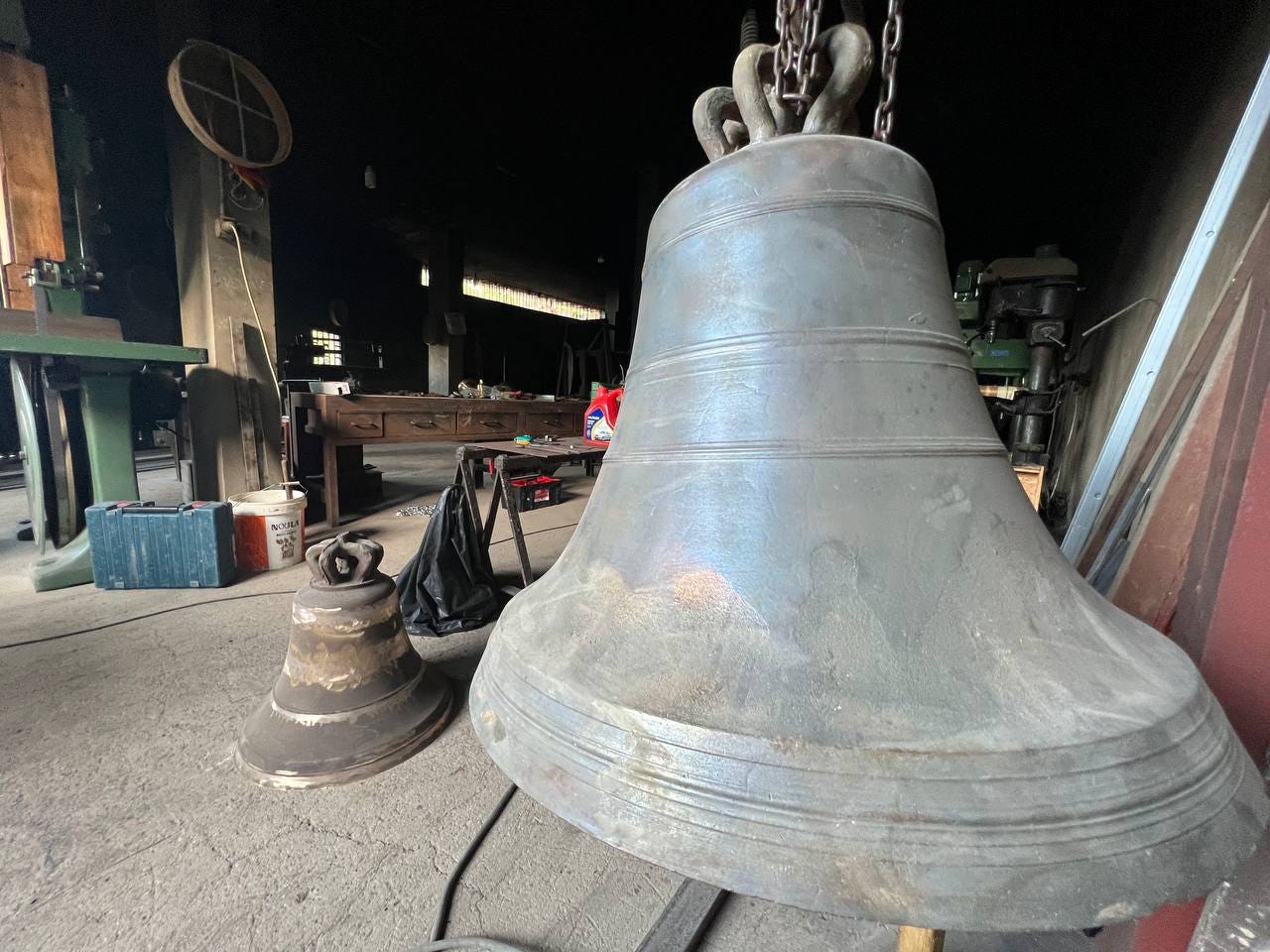
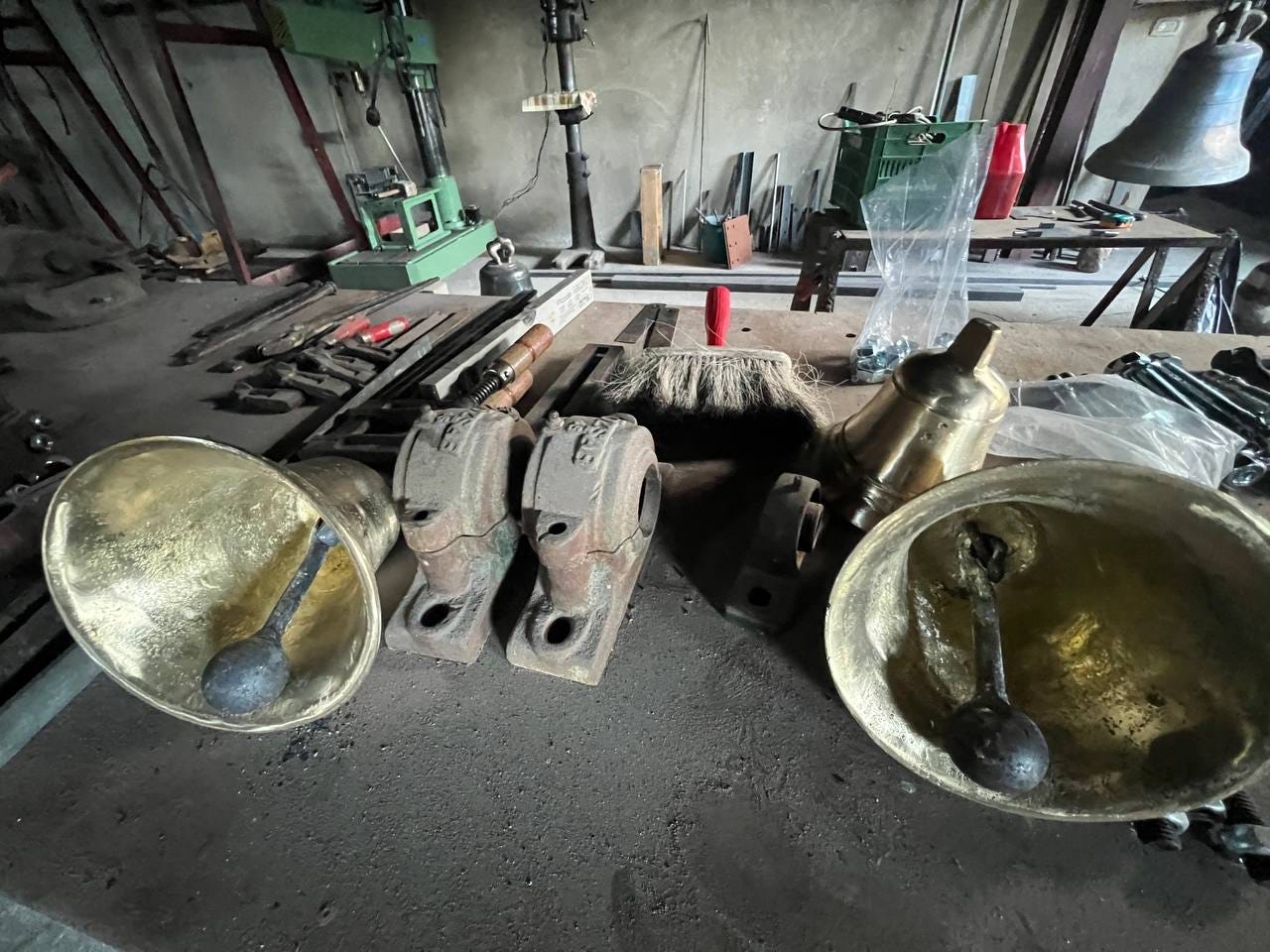
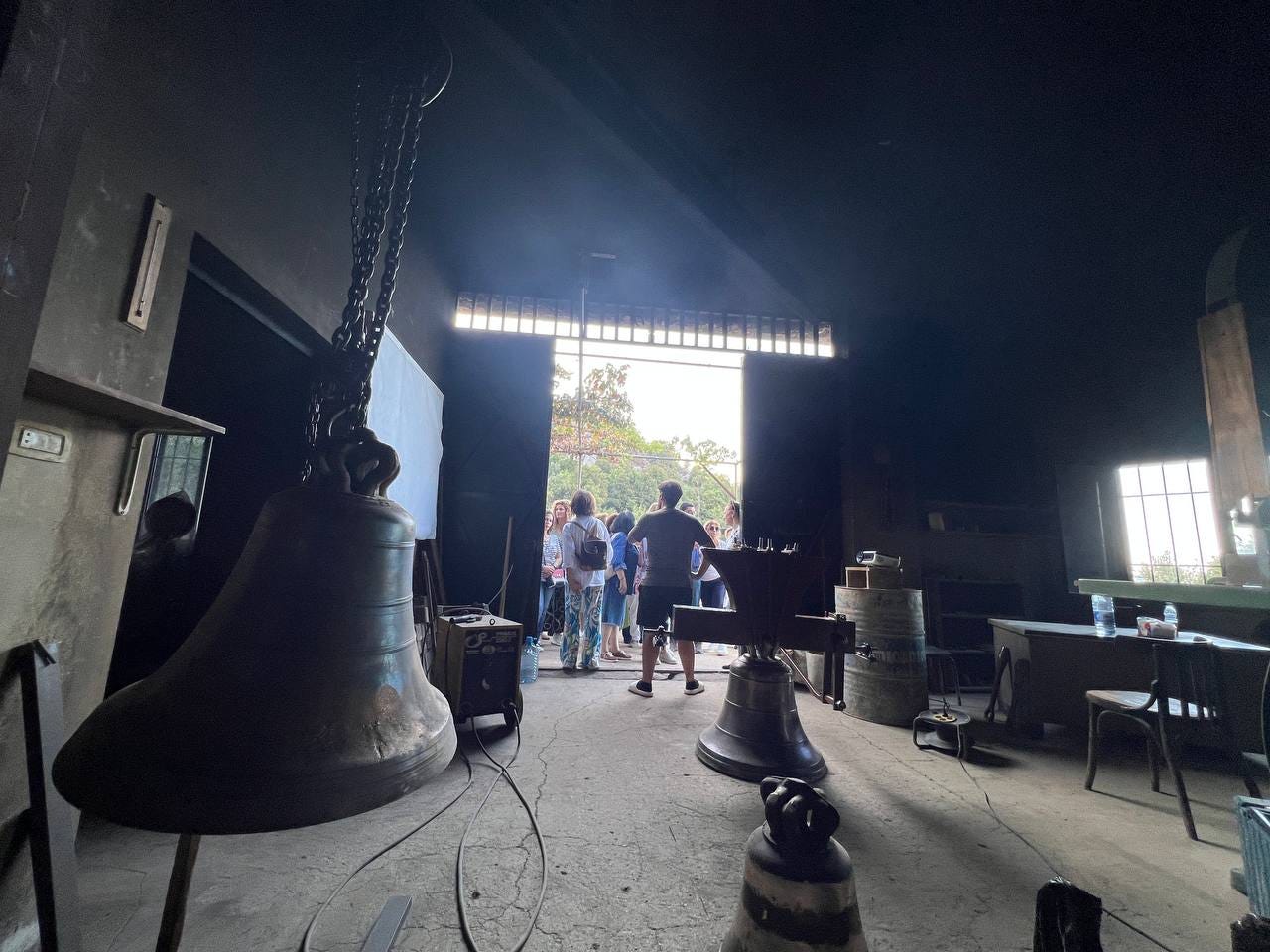
Today, the workshop feels suspended in time. Wooden tables carry decades of burn marks. Rows of heavy molds rest against the walls. Tools — some inherited, others handmade — hang in deliberate order. The scent of heated metal mingles with dust and oil.
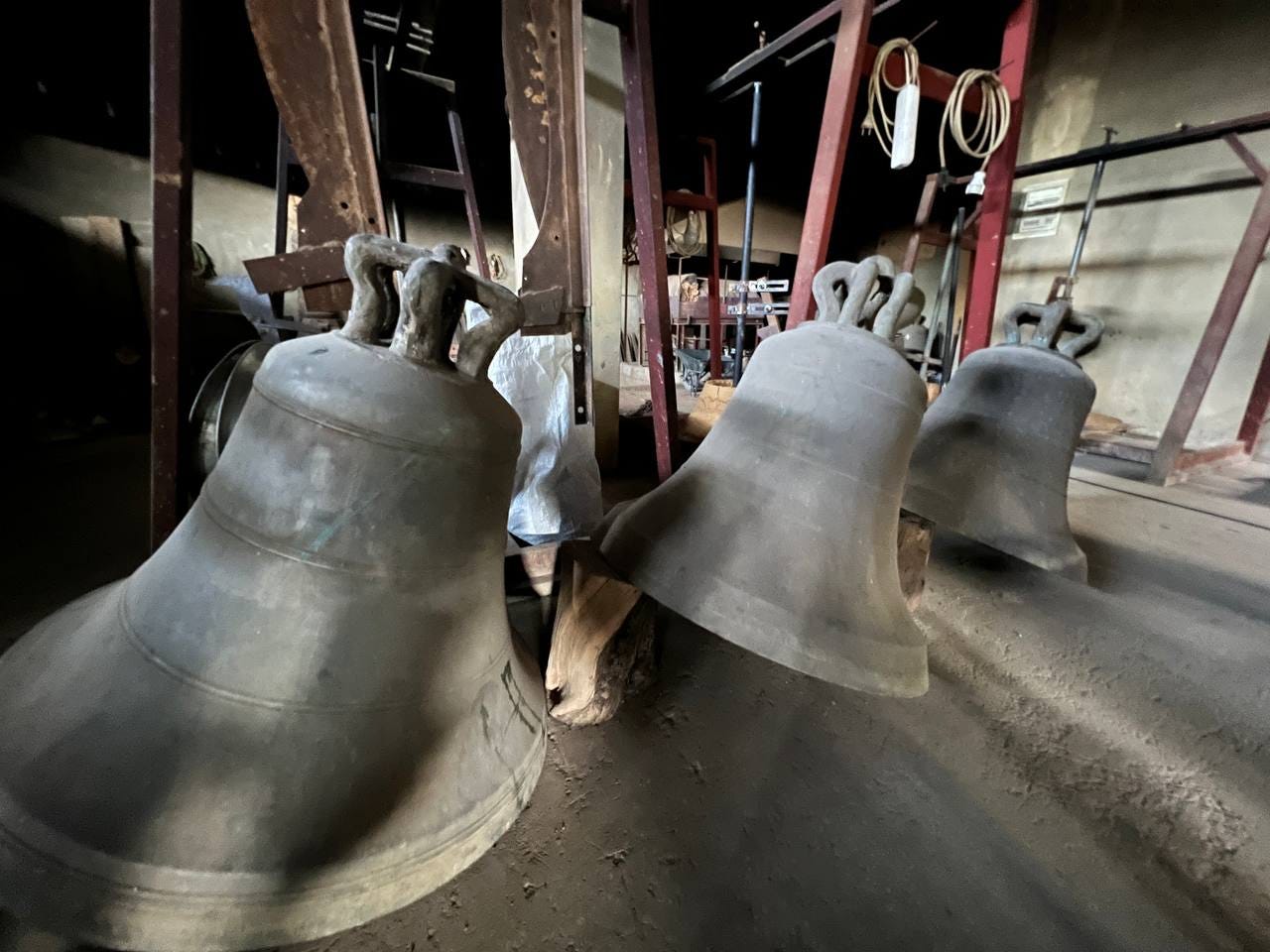
Bell making is both science and art. The alloy, primarily bronze, must be mixed in exact proportions. The clay molds must be shaped with meticulous precision, forming the inner core and outer shell between which molten metal will be poured. Once cast, the bell must cool slowly to prevent cracks. Only then begins the painstaking process of tuning — removing minute amounts of metal from inside the bell to achieve the desired pitch.
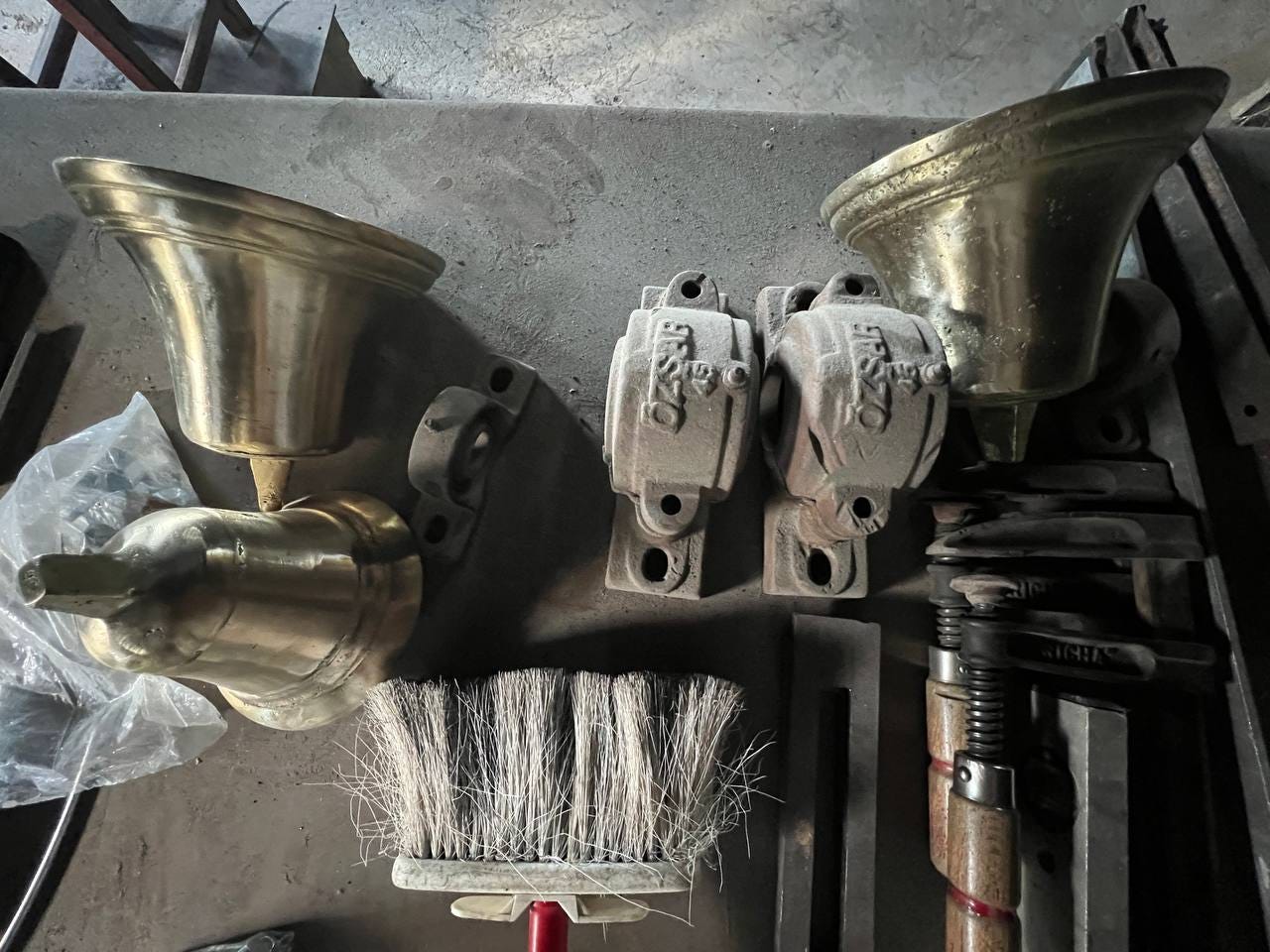
When Naffah strikes a finished bell for the first time, the deep and resonant sound fills the workshop — vibrations shaped by centuries of accumulated knowledge.
The historical significance of this craft has been formally recognized, with records preserved in the archives of Holy Spirit University of Kaslik. Yet beyond documentation, the workshop itself is a living archive.
A Regional Legacy
Over time, Beit Chabeb earned a reputation that extended far beyond Lebanon’s borders. Bells can weigh between 60 and 250 kilos. Churches across the country — and in Syria, Jordan, Egypt, Iraq, and Palestine — sought bells cast by the Naffah family. Each bell bore not only a distinct tonal identity but also the mark of a workshop known for precision and durability.
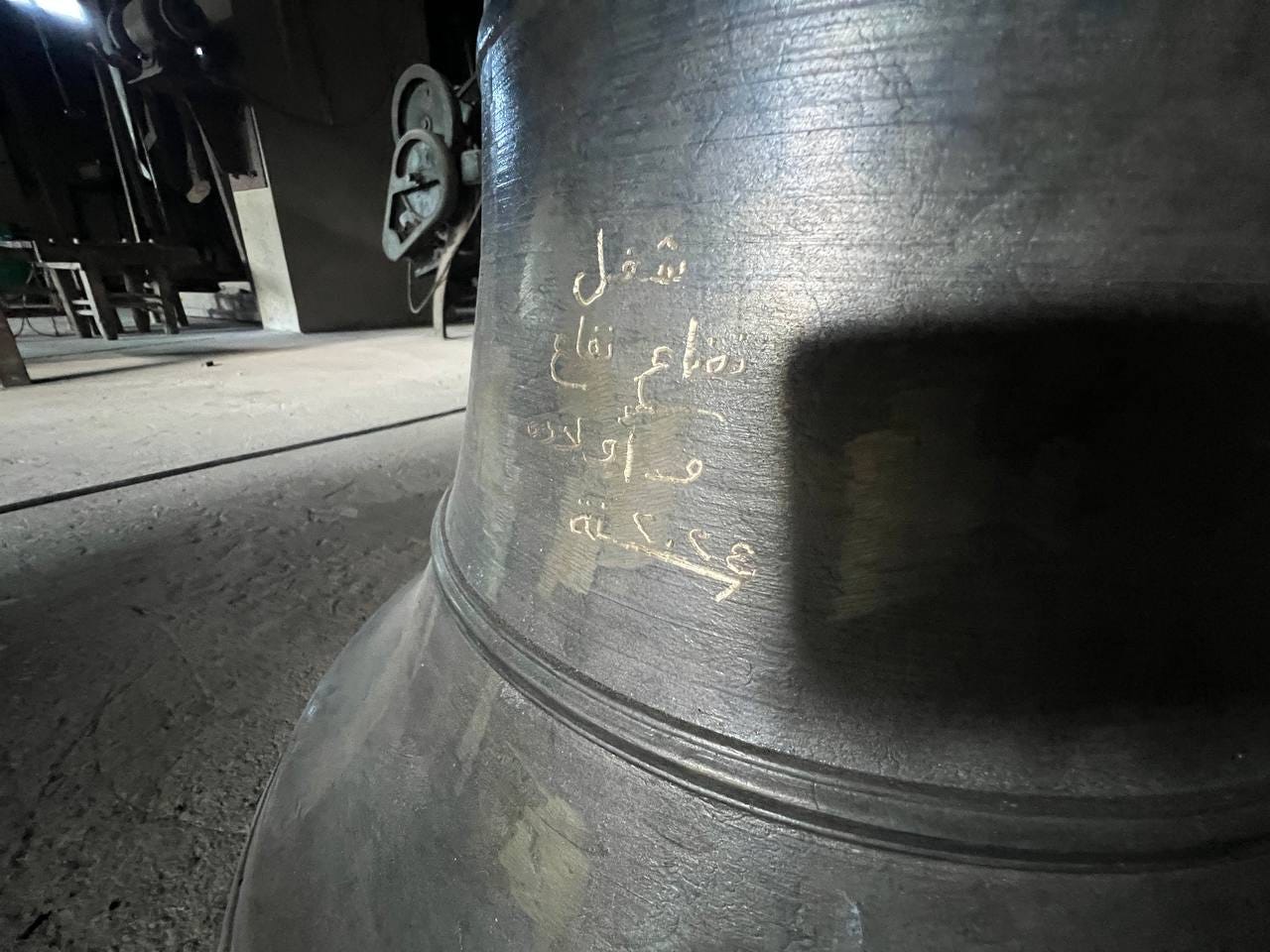
In a region where church bells mark the rhythms of daily life, a bell was not simply an object; it was a long-term companion to a community. It would outlive priests, parishioners, and often even the buildings that housed it.
More Than Metal
In Lebanon, where history is layered and identity is complex, crafts like bell making carry symbolic weight. They represent continuity in a country often marked by rupture. They embody patience in a society frequently tested by crisis. A handmade bell resists disposability, it demands time, requires listening, and is meant to last for generations.
The Weight of Being the Last
Today, however, the craft stands at a crossroads. Naffah works alone. He produces approximately thirty to thirty-five bells per year, each one requiring weeks of labor. His day begins at five in the morning and often stretches until early evening, interrupted only by a brief pause to collect his children from school.
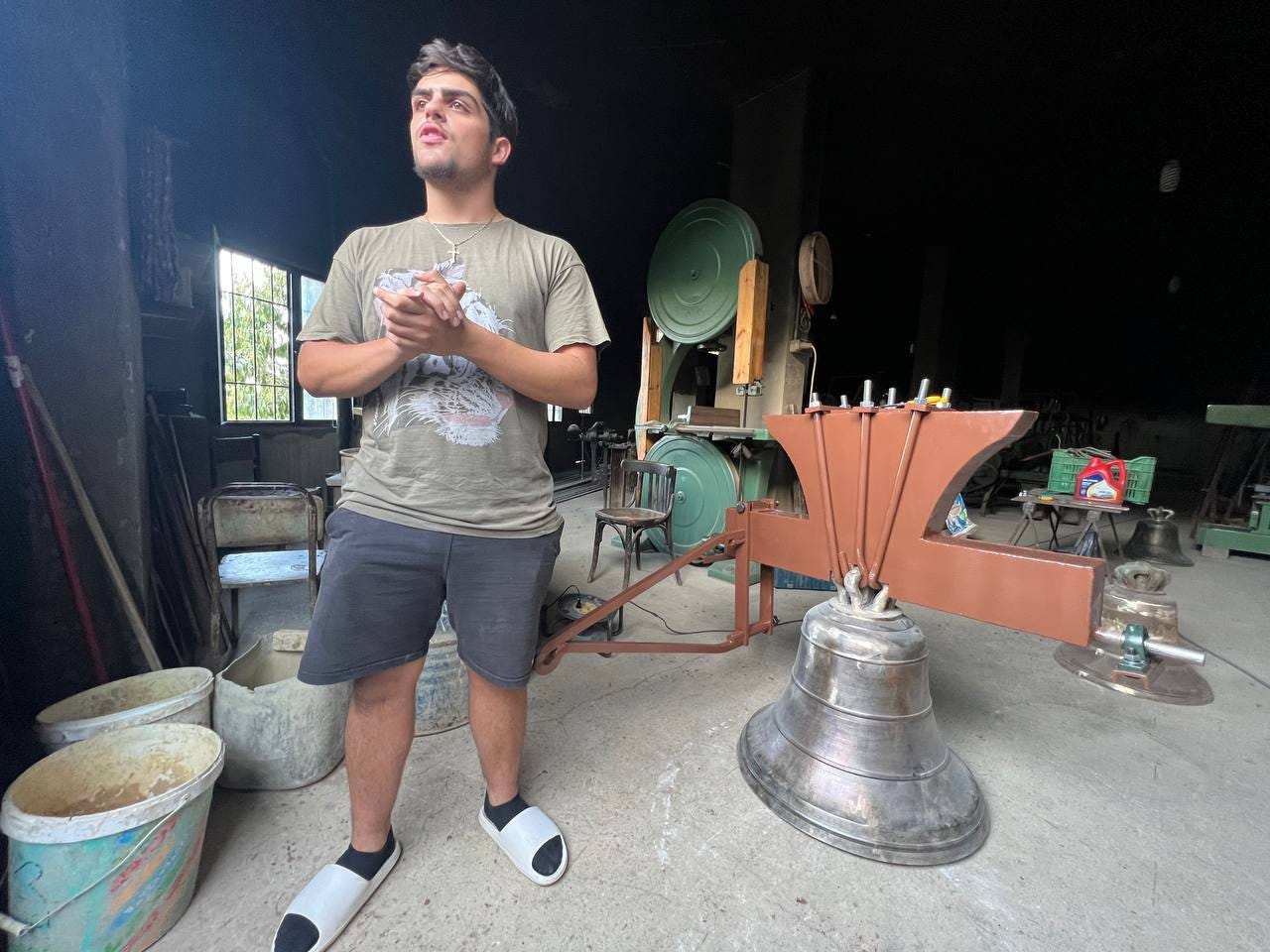
There are no apprentices currently learning at his side. Industrial production has made imported bells cheaper and faster to obtain. Lebanon’s ongoing economic challenges have made it increasingly difficult for traditional artisans to survive solely on heritage crafts.
To be called “Lebanon’s last bell maker” is both an honor and a burden. It carries pride in mastery, but also the awareness that an unbroken chain stretching back three centuries may soon depend on whether someone chooses to continue it.