

A Mountain Endemic
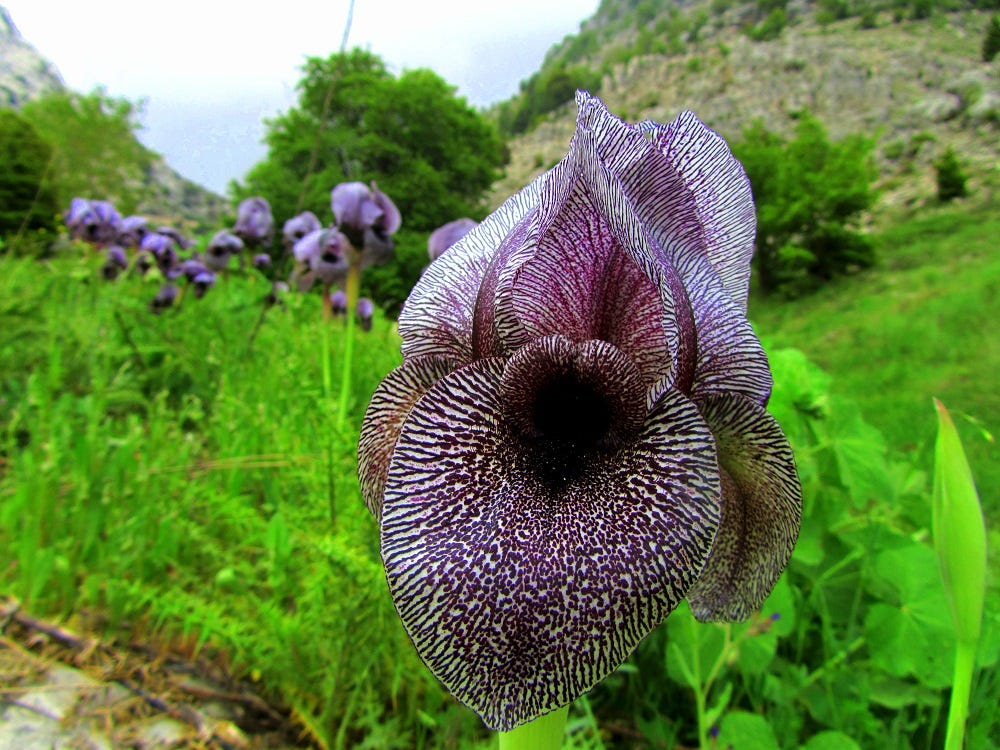
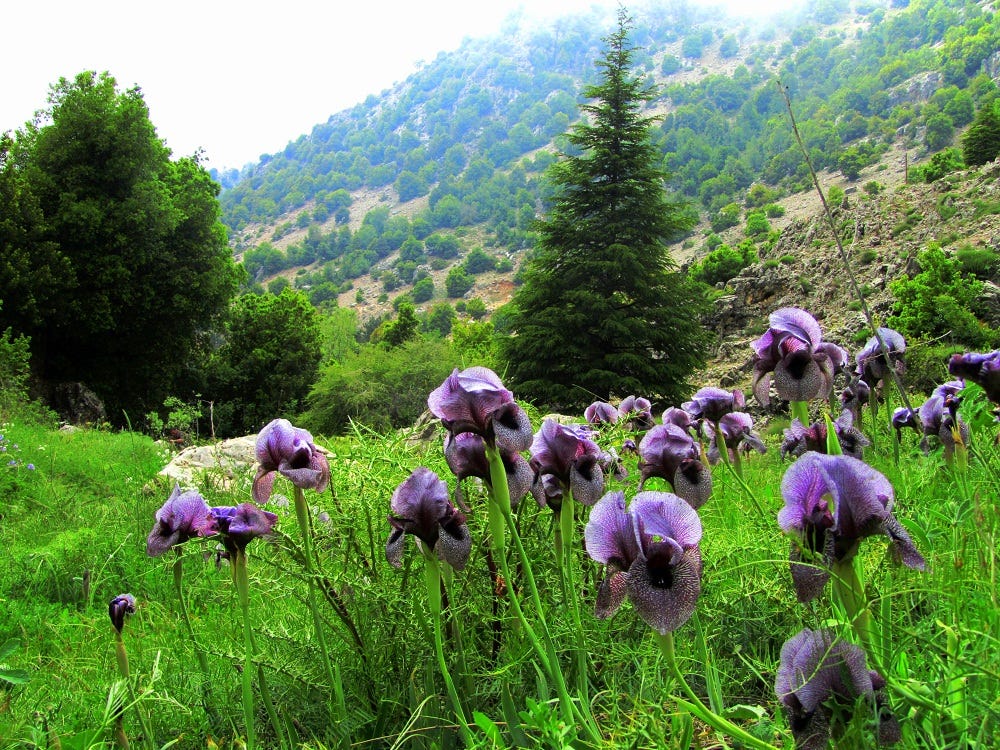
Among the rocky slopes of Mount Lebanon grows one of the country’s most remarkable botanical treasures: Iris sofarana. This striking flower is endemic to Lebanon, meaning it occurs naturally nowhere else in the world. It thrives in mountainous landscapes where sparse herbaceous vegetation covers rocky ground, typically at elevations between about 1300 and 1700 meters above sea level.
Each spring, this rare iris appears briefly across these highland slopes, adding a distinctive touch to Lebanon’s rich natural heritage.
Discovery and Botanical History
The species was first described in the late nineteenth century by the English physiologist and botanist Sir Michael Foster. His description was based on plant specimens collected in the area surrounding the village of Sofar, from which the species takes its name.
Botanical studies over the years have noted variations within the species. Some researchers described different forms, such as forma kasruwana, while closely related irises in Lebanon, including Iris westii, have sometimes been discussed in relation to Iris sofarana. The taxonomy of these mountain irises has been the subject of ongoing scientific discussion, reflecting the complexity of the group.
A Rare and Localized Species
Despite its beauty, Iris sofarana remains a rare plant with a limited distribution. It has been recorded in only a small number of locations across the Lebanese mountains, including areas around Ehmej, Ehden, Faraya, Dahr el-Baidar, and Sofar.
Because its populations are scattered and relatively small, the species is particularly sensitive to changes in its natural environment.
Threats to Its Habitat
Like many elements of Lebanon’s natural landscape, Iris sofarana faces increasing pressure from human activity. Urban development — especially the construction of roads and residential buildings — can destroy or fragment the plant’s habitat. When habitats become divided into isolated patches, the movement of pollinators between populations becomes more difficult, which may limit the exchange of pollen.
Agricultural practices also present risks. The use of pesticides can harm bees and other insects that play a crucial role in pollinating wild plants. Together, these pressures make the species vulnerable and highlight the importance of conservation efforts.
The Creation of the El Dichar Natural Site
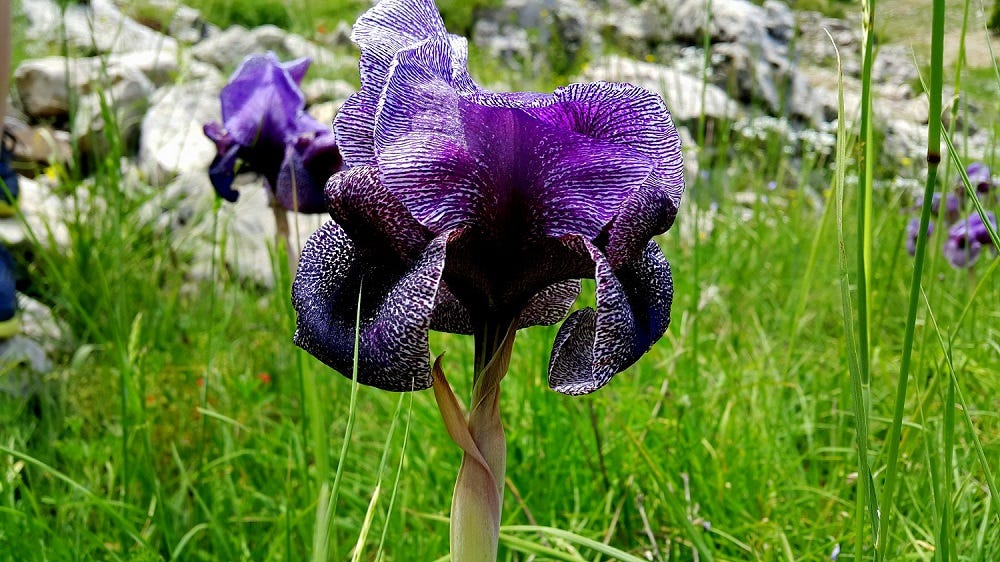
An important step toward protecting this unique flower was taken in May 2015 with the establishment of the natural site of El Dichar in the village of Ehmej. More than 62 hectares of public land were designated to form a protected natural area dedicated to conserving local biodiversity.
Scientific studies and ecological surveys of the site were carried out by Saint Joseph University in collaboration with the municipality of Ehmej. The project received financial support from the Critical Ecosystem Partnership Fund (CEPF), an international initiative that works to safeguard biodiversity hotspots around the world.
A Plant Micro-Reserve
The El Dichar site functions as a plant micro-reserve. Its primary goal is to protect one of the remaining populations of Iris sofarana and to preserve the natural habitat in which the species grows. By safeguarding this environment, the reserve also supports the broader ecosystem of plants, insects, and wildlife that inhabit the same mountainous landscape.
The Location of El Dichar
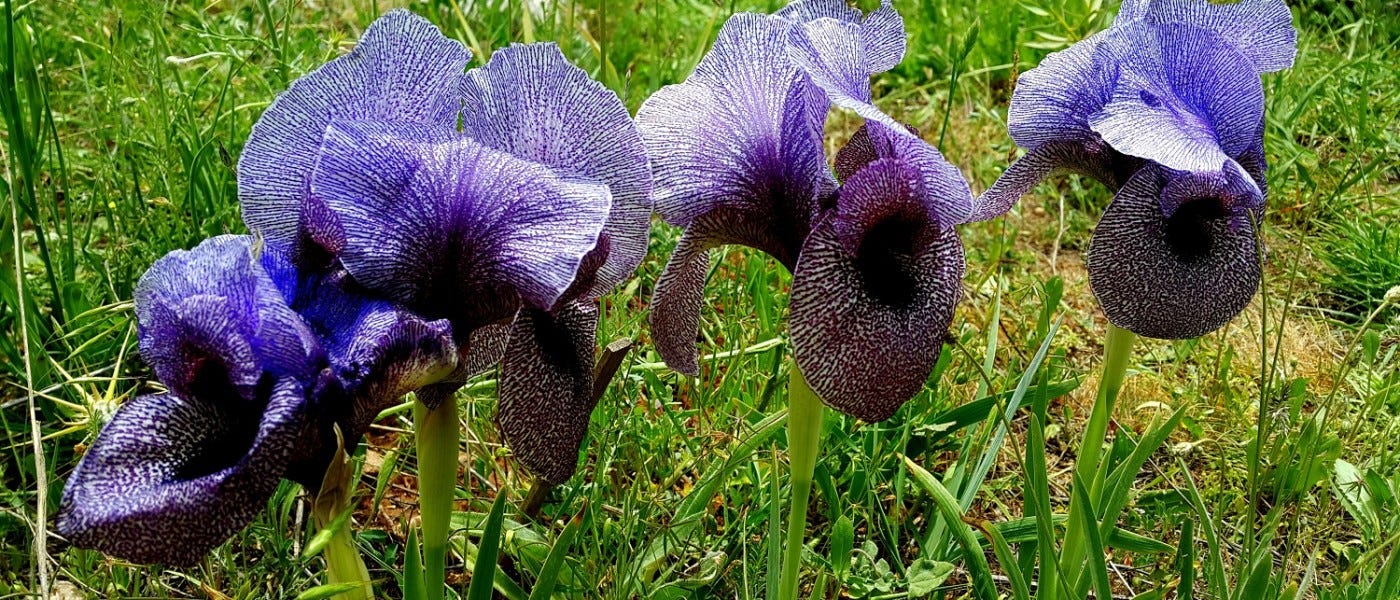
El Dichar lies near the villages of Laqlouq and Tannourine in the Mount Lebanon range. Although situated close to these communities, the site remains tucked behind the mountain slopes and is still known mainly to local residents. Its selection as a protected area was motivated by the presence of one of the few remaining populations of Iris sofarana.
A Flower that Reflects Lebanon’s Natural Heritage
More than a rare botanical species, Iris sofarana represents a living symbol of Lebanon’s unique mountain ecosystems. Its presence reminds us that the country’s landscapes hold natural treasures found nowhere else on Earth.
Protecting these fragile habitats ensures that future generations will continue to witness this remarkable iris blooming on the rocky slopes of Mount Lebanon — a small yet powerful testament to the richness of Lebanon’s natural heritage.