

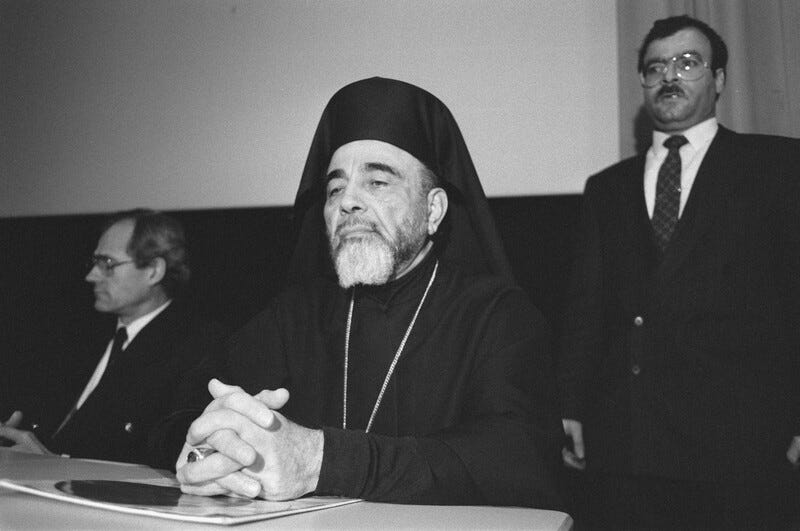
“I am a bishop. And a bishop is the good shepherd, not a mercenary who flees when the wolf comes.”
Hilarion Capucci, interview with El País, 1981
Few churchmen of the twentieth century moved so visibly between altar and political storm as Hilarion Capucci. To some, he became a symbol of moral courage in a land defined by dispossession. To others, he crossed a line the clergy are not meant to cross at all. Neither image fully contains him.
Capucci was a Melkite Greek Catholic archbishop formed in a tradition where theology is lived inside history, not above it. His life unfolded in a region where political change is not an abstraction but a rearrangement of everyday space — movement, access, borders, and memory.
To understand him is not to resolve a verdict, but to read him against the conditions that shaped his world: a changing Levant, a transformed Jerusalem, and a Palestinian question experienced differently by the communities living through its consequences.
From Aleppo to Jerusalem
Hilarion Capucci was born in Aleppo in 1922, to a Melkite Catholic family. His early formation in the Basilian Aleppian Order placed him inside an Eastern Christian world where identity is communal and historical continuity is always fragile.
He entered priesthood during a period when the region was still absorbing the end of empire and the rise of new states. The Palestinian question, at that stage, was not yet a fixed diplomatic architecture but a rupture already visible in population movement, displacement, and contested belonging.
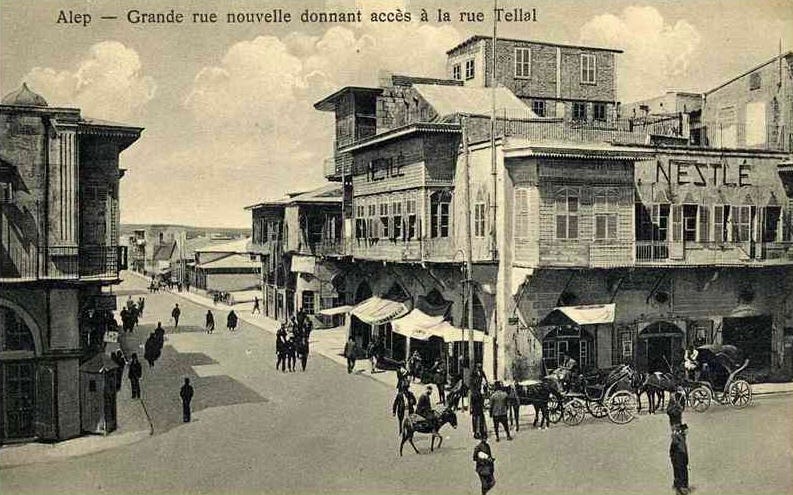
In 1965, he was appointed Archbishop of Caesarea and Apostolic Vicar of Jerusalem by Pope Paul VI. The position placed him in a city where sacred geography and political control overlap in ways that cannot be separated in practice.
After 1967, that overlap became more pronounced. Jerusalem was not only redefined administratively; it was reorganized in terms of mobility and access. Movement between areas became regulated, and daily life increasingly unfolded within layered systems of permits, jurisdiction, and separation. For clergy and residents alike, pastoral and social life took place inside these constraints rather than outside them.
A Theology of Justice
Capucci’s public voice emerged gradually from pastoral presence into explicit political language. His public statements increasingly reflected the view that silence in the face of dispossession was incompatible with Christian responsibility.
This conviction was not abstract. It was shaped by encounters with communities whose daily life was directly affected by displacement and political restructuring. His reading of the Gospel increasingly emphasized justice not as a theme alongside peace, but as a condition for it.
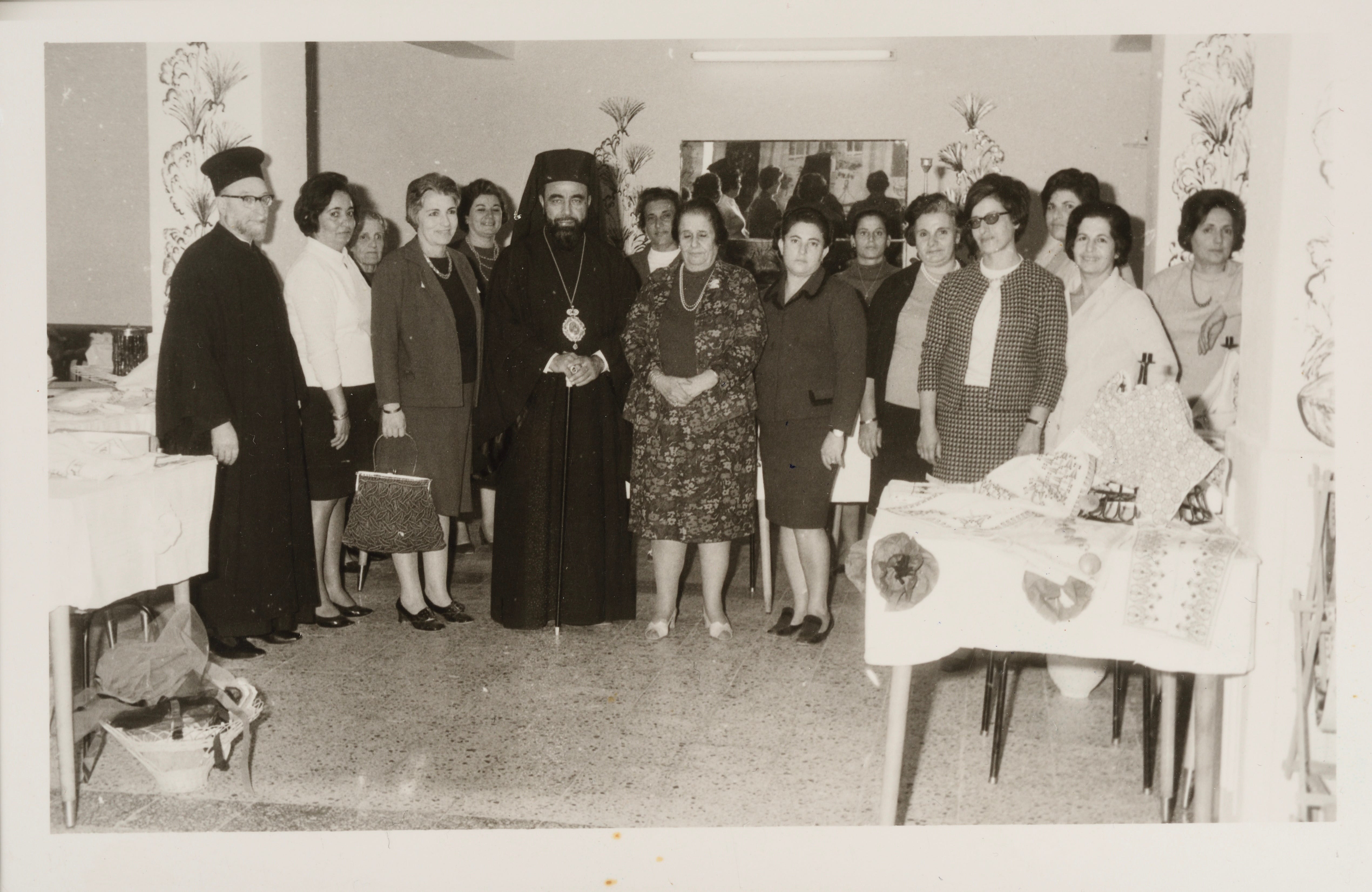
He began to speak publicly in defense of Palestinian rights, criticizing occupation policies and appealing to international attention. In the Arab world, this made him unusually visible: a high-ranking Christian figure speaking in moral terms about a conflict often treated in institutional language.
Over time, he became widely referred to as “the Archbishop of the Palestinian Cause,” a phrase that reflected public perception more than ecclesiastical designation.
The Trial That Changed Everything
In August 1974, Israeli authorities arrested Capucci after weapons were discovered in his official vehicle.
The arrest was not treated uniformly across contexts. In Palestinian political memory, it entered an interpretive field where legal categories and political struggle were already deeply intertwined and unevenly defined. In Israeli legal and institutional framing, it was a case of serious breach involving misuse of ecclesiastical privilege in support of armed networks.
Capucci did not present himself as an operative. Throughout his public life, Capucci distinguished between armed resistance and terrorism. In a 1981 interview, he stated, “I reject terrorism, but I support resistance,” arguing that people living under occupation retained a moral right to resist.
In court, he framed his actions through moral conviction and solidarity. The prosecution argued criminal facilitation of militant activity. He was convicted and sentenced to twelve years in prison.
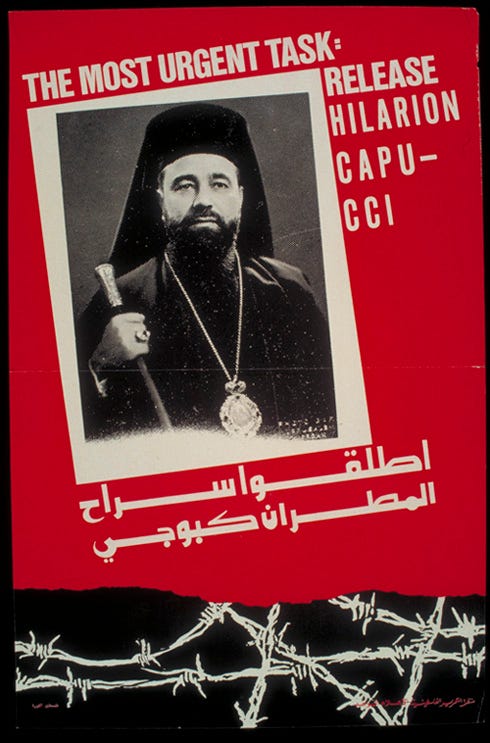
The case quickly moved beyond legal procedure. It became a symbolic event in which religious authority, state security, and political struggle intersected in ways that could not be contained within a single narrative framework.
Exile Without Silence
Capucci served approximately three years and three months before his release in November 1977, following diplomatic negotiations involving the Holy See and international actors. His release came with a condition that defined the rest of his life: he was barred from returning to Jerusalem. Capucci later summarized the experience with characteristic brevity:
“I left a small prison only to enter a larger one.”
The remark referred not to imprisonment itself, but to the exile that prevented him from returning to the city where he believed his pastoral vocation belonged.
But this exile did not diminish his public presence; it redistributed it. He traveled widely, addressing audiences across Europe, Latin America, and the Middle East. His interventions increasingly framed the Palestinian question as a matter of rights and political structure rather than a localized dispute. He repeatedly argued that the issue should first be understood in human rather than purely diplomatic terms, describing it as “at its root, a humanitarian problem that later became politicized.”
The tone of his speech was often moral in register, reflecting a conviction that political arrangements must answer to ethical judgment.
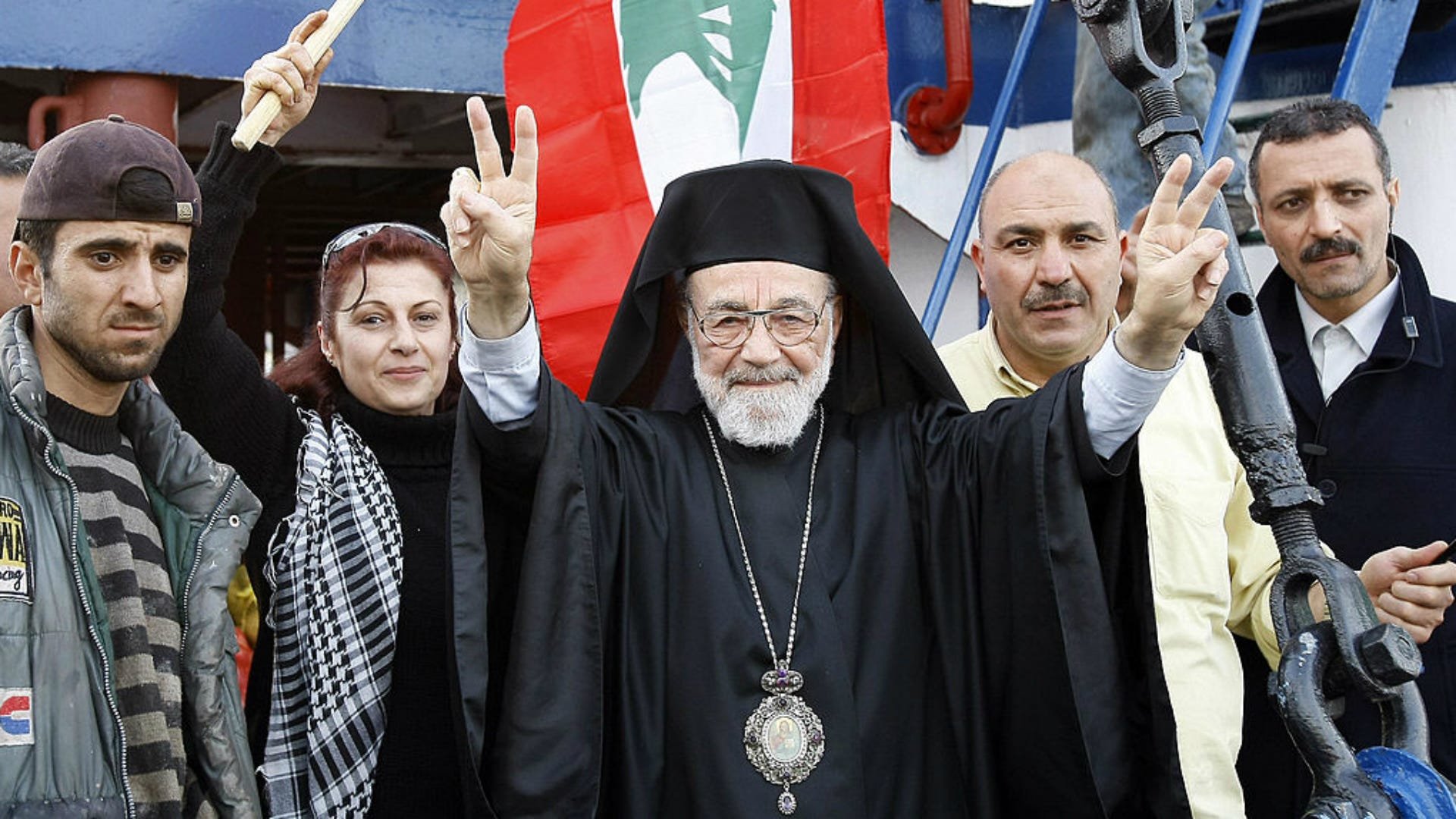
In 2009, long after his ecclesiastical career had formally ended, he joined a maritime mission attempting to reach Gaza. The vessel was intercepted before arrival. The significance of the act lay less in its outcome than in its continuity: a sustained willingness to remain publicly aligned with a cause he considered unresolved.
His relationship with the institutional Church remained intact but asymmetrical. Vatican diplomacy maintained distance in tone and method, while never fully severing recognition of his ecclesiastical identity.
The Arab Christian Voice
Capucci also reflects a dimension of Middle Eastern history often flattened in external narratives: Arab Christianity as an active historical presence within political life, not merely a parallel religious minority.
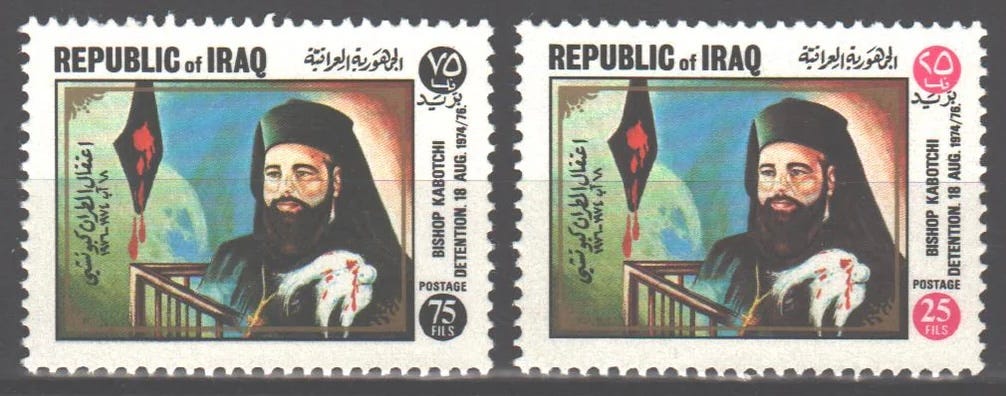
He did not treat Arab identity and Christian identity as separate registers. They operated together, shaped by language, liturgy, and historical belonging to the same geographical space. His public role made visible a reality often overlooked: that Arab Christians were not observers of the Palestinian question, but participants shaped by the same structural conditions of the region.
Years after his exile, Capucci continued to define episcopal leadership in pastoral terms, arguing that such responsibility could not be separated from human suffering. Speaking in exile in 2004, he explained his understanding of the episcopacy:
“A bishop is not a master. A bishop is a servant. A bishop is a father. When a father sees his son suffering, he rushes to help him whatever the cost.”
Faith in the Midst of History
When Hilarion Capucci died in Rome in 2017, reactions reflected the same uneven landscape that had shaped his life. In parts of the Arab world, he was remembered as a consistent voice for Palestinian rights and a prominent Arab Christian figure in public life. Elsewhere, his memory remains bound to unresolved questions about the limits of clerical participation in political conflict, institution and conviction, and the relationship between theological interpretation and political reality.
Hilarion Capucci spent his life insisting that faith and moral conviction could not stand apart from history. History, in turn, ensured that neither could he.