
George Hatem — The Lebanese American Doctor Who Helped Build Modern China’s Public Health System
By Ralph I. Hage, Editor

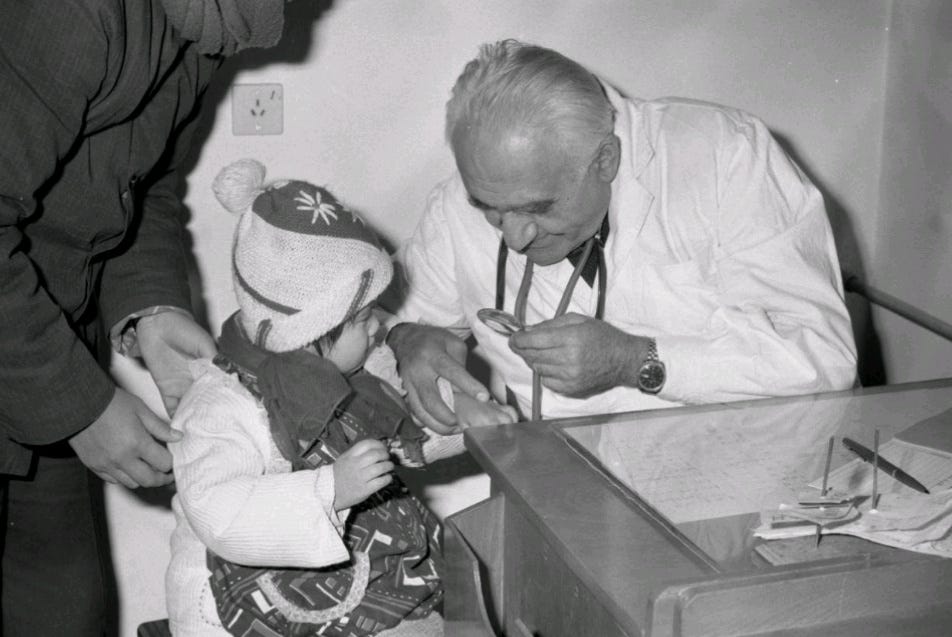
George Hatem, known in China as Ma Haide, lived a life that seems almost improbable. Born in the United States to Lebanese immigrants, he would go on to become a key figure in China’s Communist revolution, a trusted physician to its leadership, and one of the first foreigners granted citizenship in the People’s Republic of China.
Though his name is not widely recognized in the West, his impact on public health in China helped transform the lives of millions.
From Mount Lebanon to Medicine
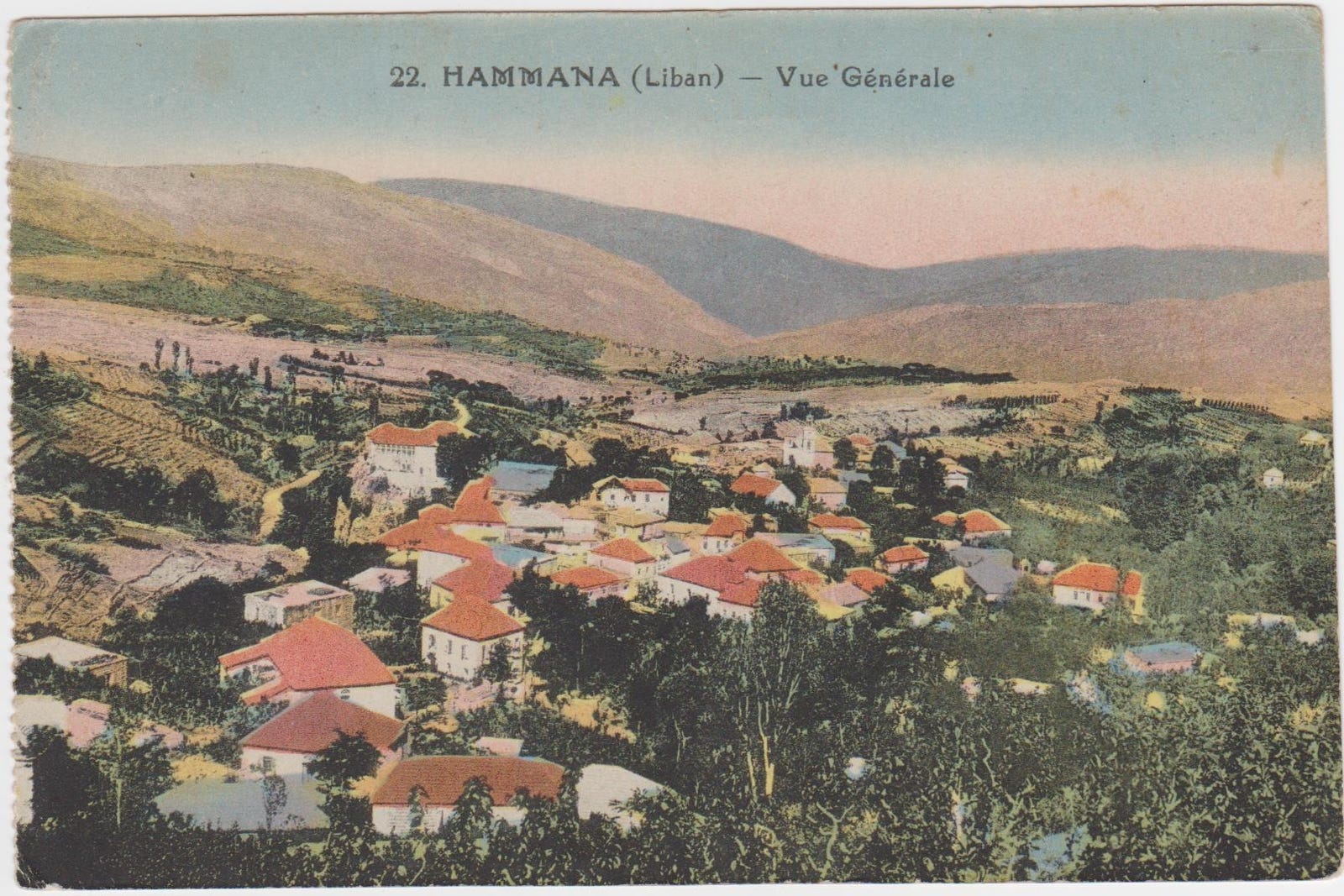
Hatem’s story begins long before his birth, in the mountain village of Hammana in Lebanon. His father, Nahoum Salameh Hatem, left the region in the early 20th century in search of opportunity in the United States. During a return visit home, he married Thamame Milane, and together they settled in America.
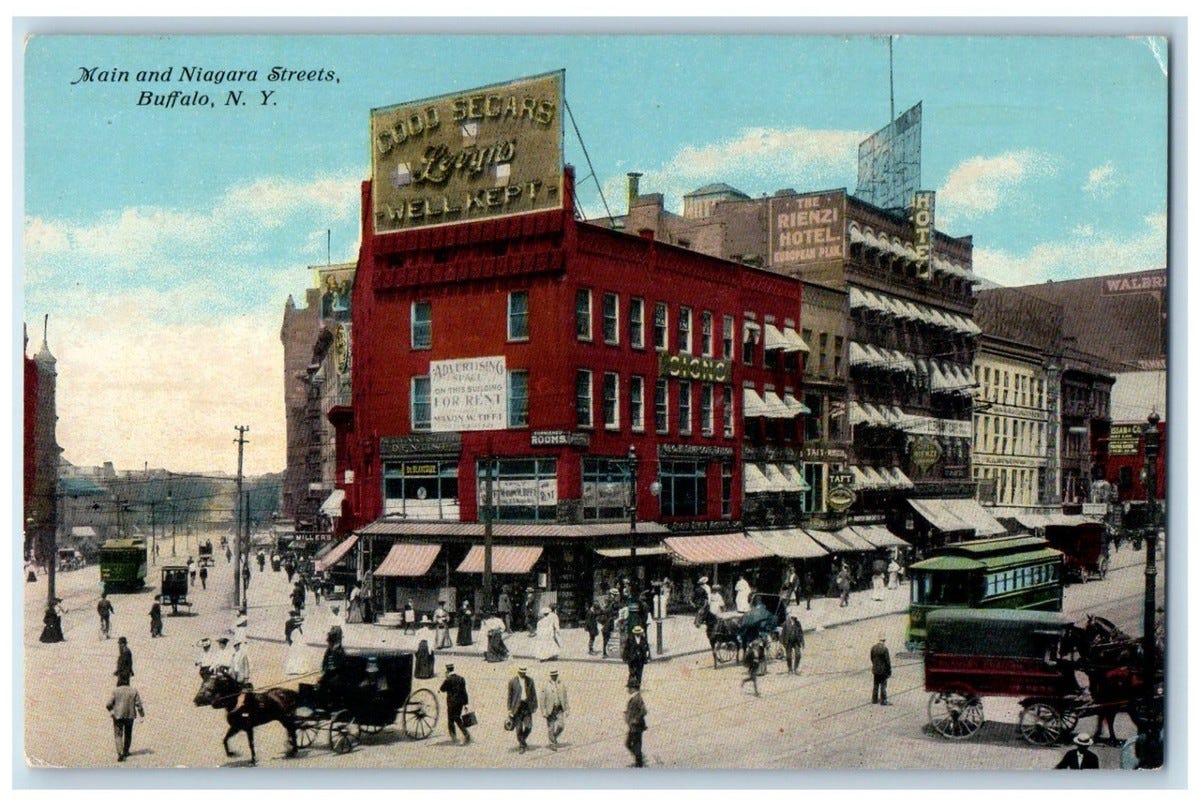
George Hatem was born in 1910 in Buffalo, New York, and later grew up in Greenville, South Carolina, where his family ran a small business. Despite his American upbringing, Lebanon remained a strong presence in his life.
In 1929, he returned to Beirut to study medicine at the American University of Beirut. He then continued his training in Switzerland, graduating from the University of Geneva in 1933. There, exposure to international classmates — particularly from East Asia — sparked a curiosity that would define his future.
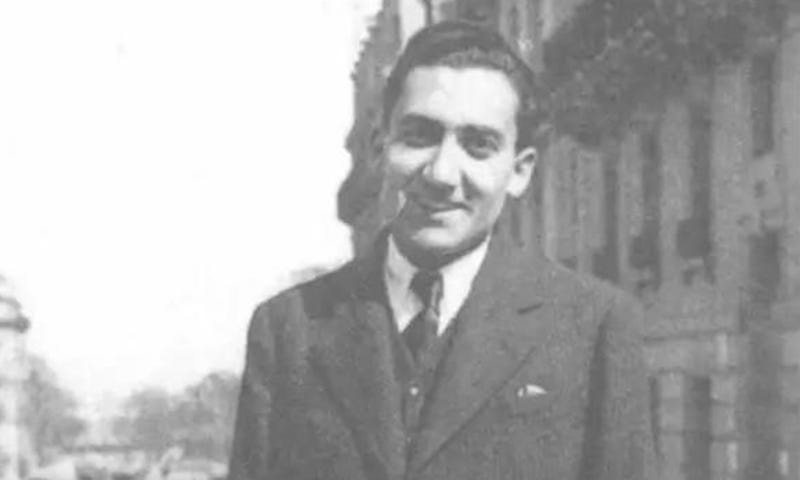
A Doctor in Revolutionary China
Soon after graduating, Hatem moved to Shanghai, where he opened a medical practice. It was there that he encountered influential figures in China’s political circles, including Soong Ching-ling, the widow of Sun Yat-sen. Through her, he was introduced to the Communist Party.
Hatem eventually made his way to Yan’an, the Communist Party’s remote base. There, he served as a physician within the leadership circle, treating high level officials — including Mao Zedong — while also tending to soldiers and civilians.
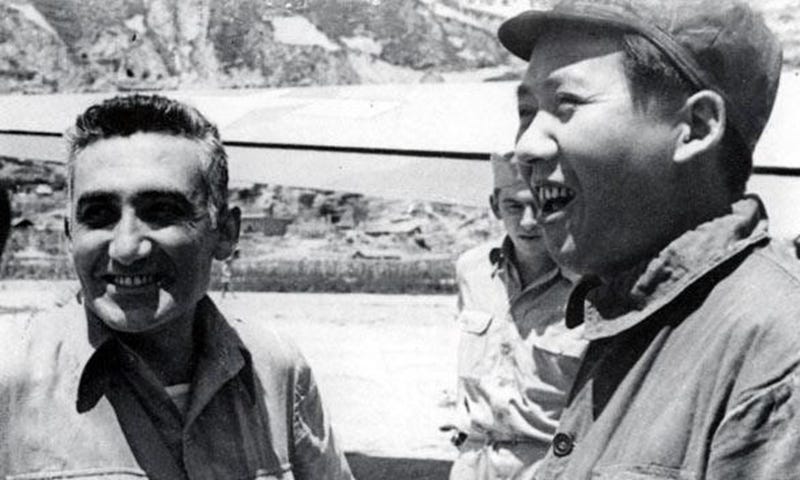
He joined the Chinese Communist Party and took on a new name: Ma Haide, meaning “the one who came from overseas.” It was more than a name change — it marked a complete transformation of identity.
In June 1944, Harrison Forman, Gunther Stein and other foreign journalists came to Yan’an to conduct interviews. They also talked with Hatem.
“One of the things I like most about this place is that there is absolutely no professional jealousy here. This is due in large measure to the fact that there is no financial incentive, no rivalry for special honors or favors. All of us work together like members of a big family, and satisfactions and disappointments are mutually shared.”
Hatem also mentioned the change of his mind in Yan’an.
“They taught me a very great deal I probably couldn’t have learned any other way. And I had some pretty swell people to learn from, you must admit.”
Medicine on the Front Lines
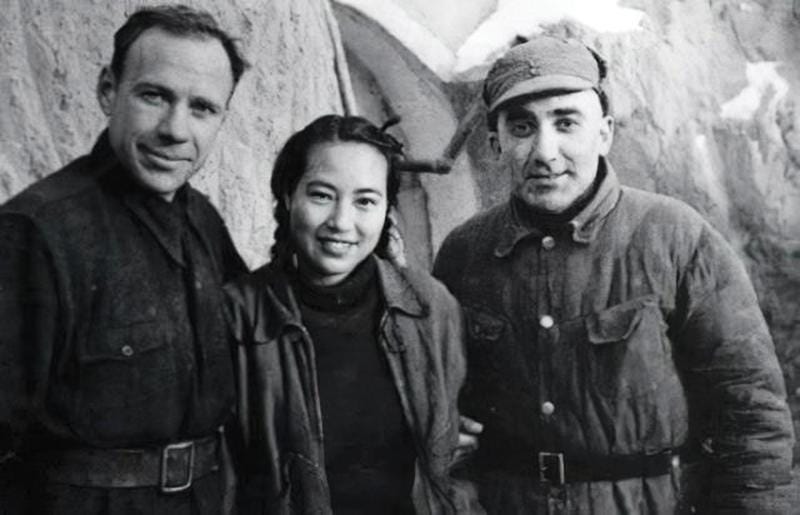
During years of war and upheaval, Hatem worked under extreme conditions, providing care to thousands of wounded fighters and villagers. His role was not confined to clinics; he was part of a broader revolutionary effort, where survival often depended on improvisation and resilience.
He worked closely with leaders like Zhou Enlai and contributed to the medical infrastructure that supported the Communist movement, culminating in the founding of the People’s Republic of China in 1949.
Fighting Disease, Building a Nation
After the revolution, Hatem shifted his focus from battlefield medicine to public health — where his impact would be even greater.
As a senior official in China’s Ministry of Public Health, he became a driving force behind national campaigns to combat infectious diseases. His most notable work was in the fight against leprosy, a disease that had long been widespread and stigmatized.
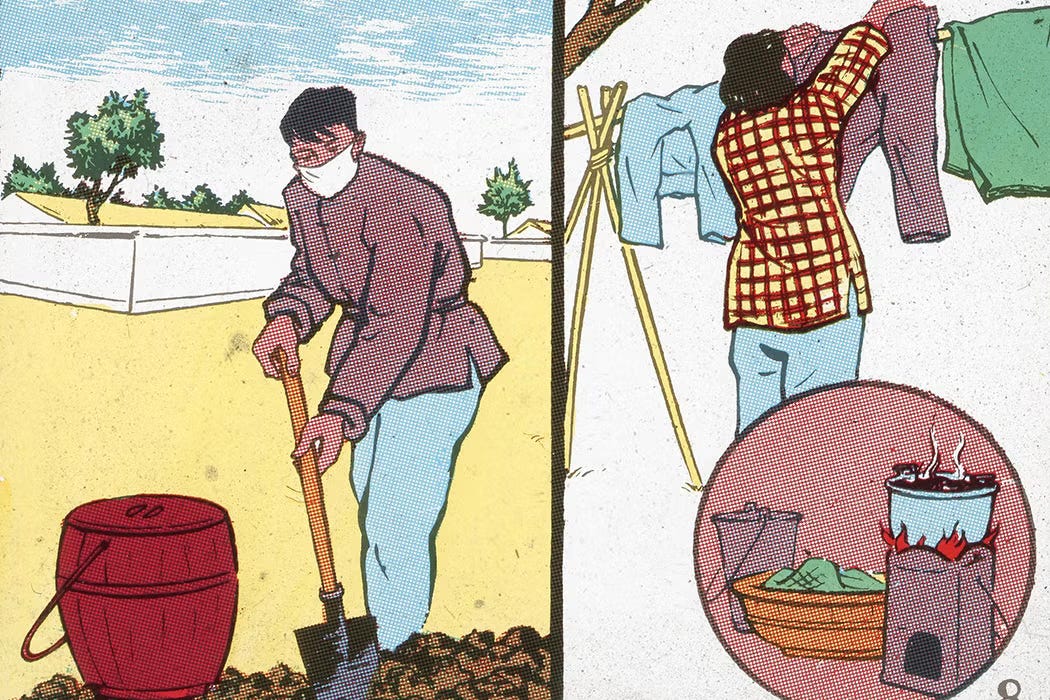
Hatem spared no effort in spreading the message. He often said, “leprosy is preventable, curable, and not terrible,” and that it could be controlled within three days after medication and then eliminated, making it no longer contagious.
Through coordinated treatment programs, rural outreach, and medical training, Hatem helped bring the disease under control. By the late 20th century, leprosy in China had been reduced to extremely low levels.
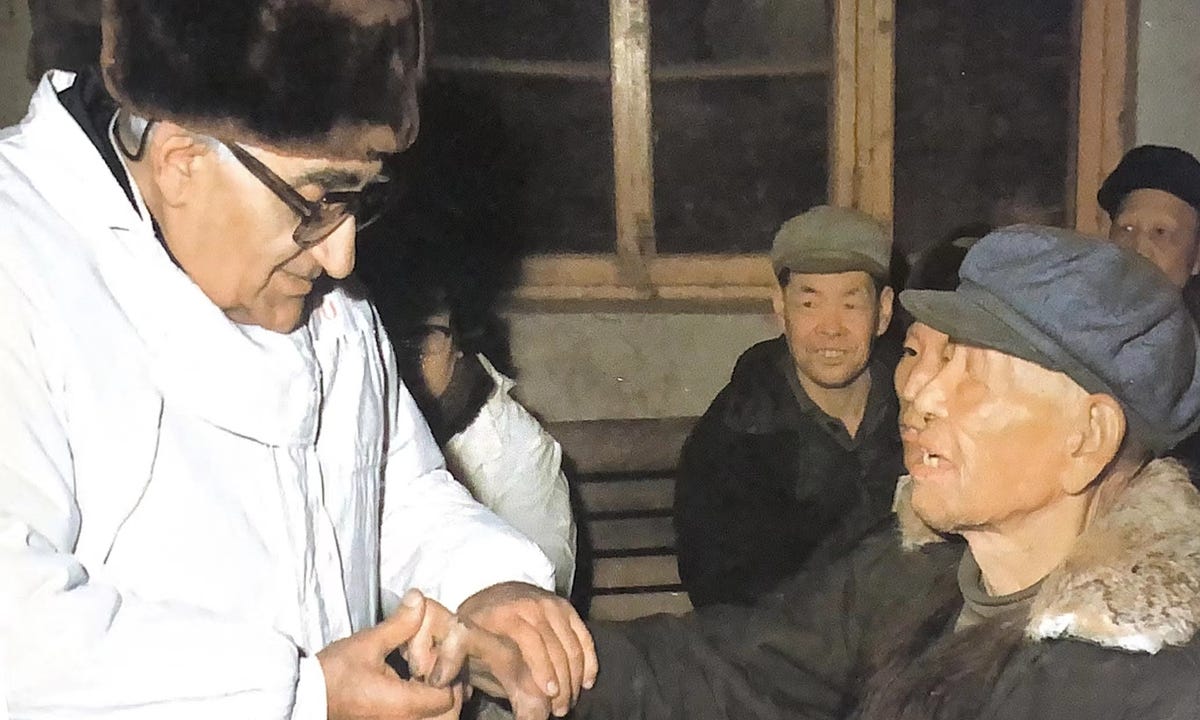
He also contributed to broader efforts in sanitation, rural healthcare, and disease prevention, helping lay the groundwork for China’s modern public health system. In 1986, his achievements were recognized internationally when he received the Lasker Medical Award.
A Life Between Worlds
In the 1950s, Hatem became one of the first foreigners to receive Chinese citizenship — an extraordinary honor in a newly established state. By then, China was not just where he worked; it was home.
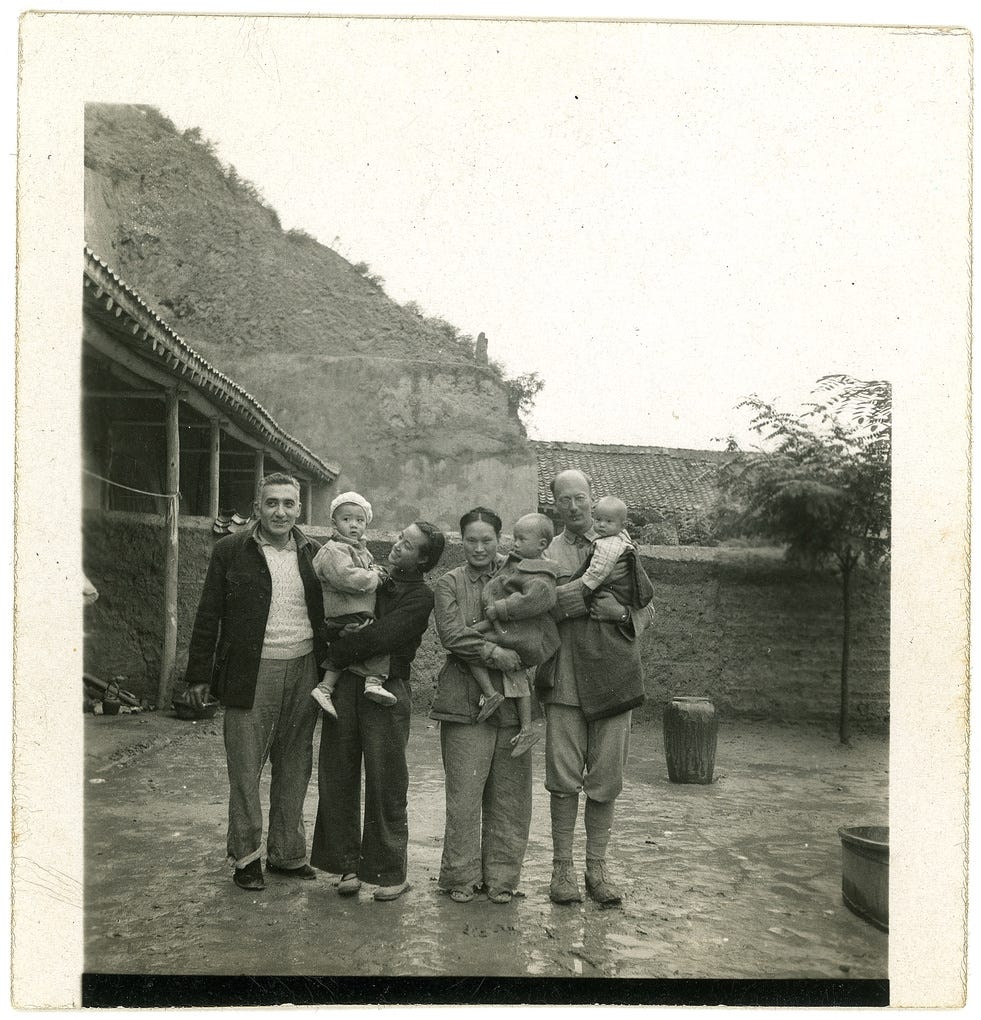
He married a Chinese woman, Zhou Su-fei, and the couple had two children. Fluent in Mandarin and deeply integrated into Chinese society, Hatem spent the rest of his life there.
Yet he never lost sight of his roots. In 1974, he returned to Lebanon, where he was welcomed with pride — especially in Hammana, the village his father had left decades earlier.
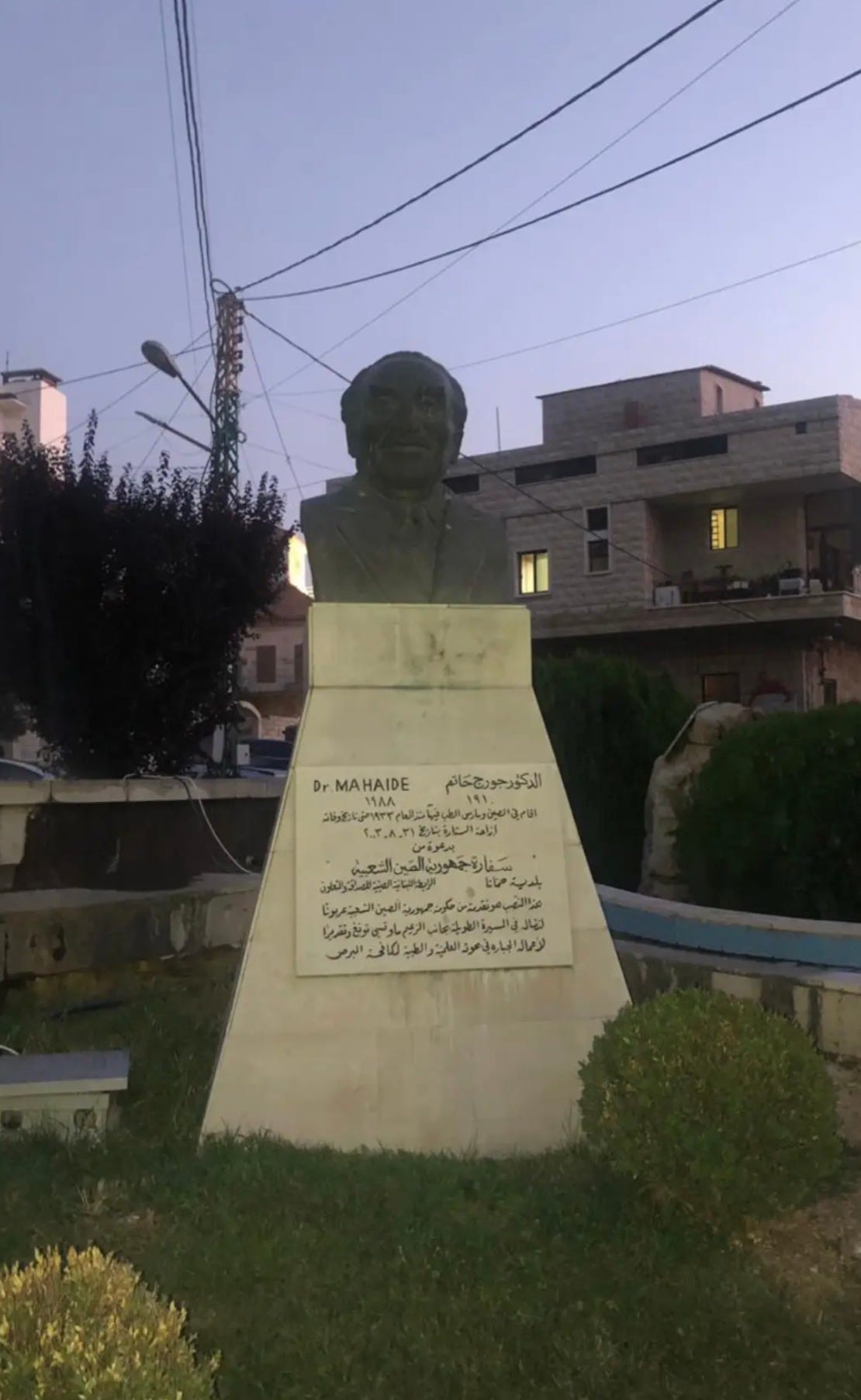
Recognition and Remembrance
Hatem’s contributions earned him recognition in both China and Lebanon. In 1985, he was awarded Lebanon’s National Order of the Cedar at the rank of commander.
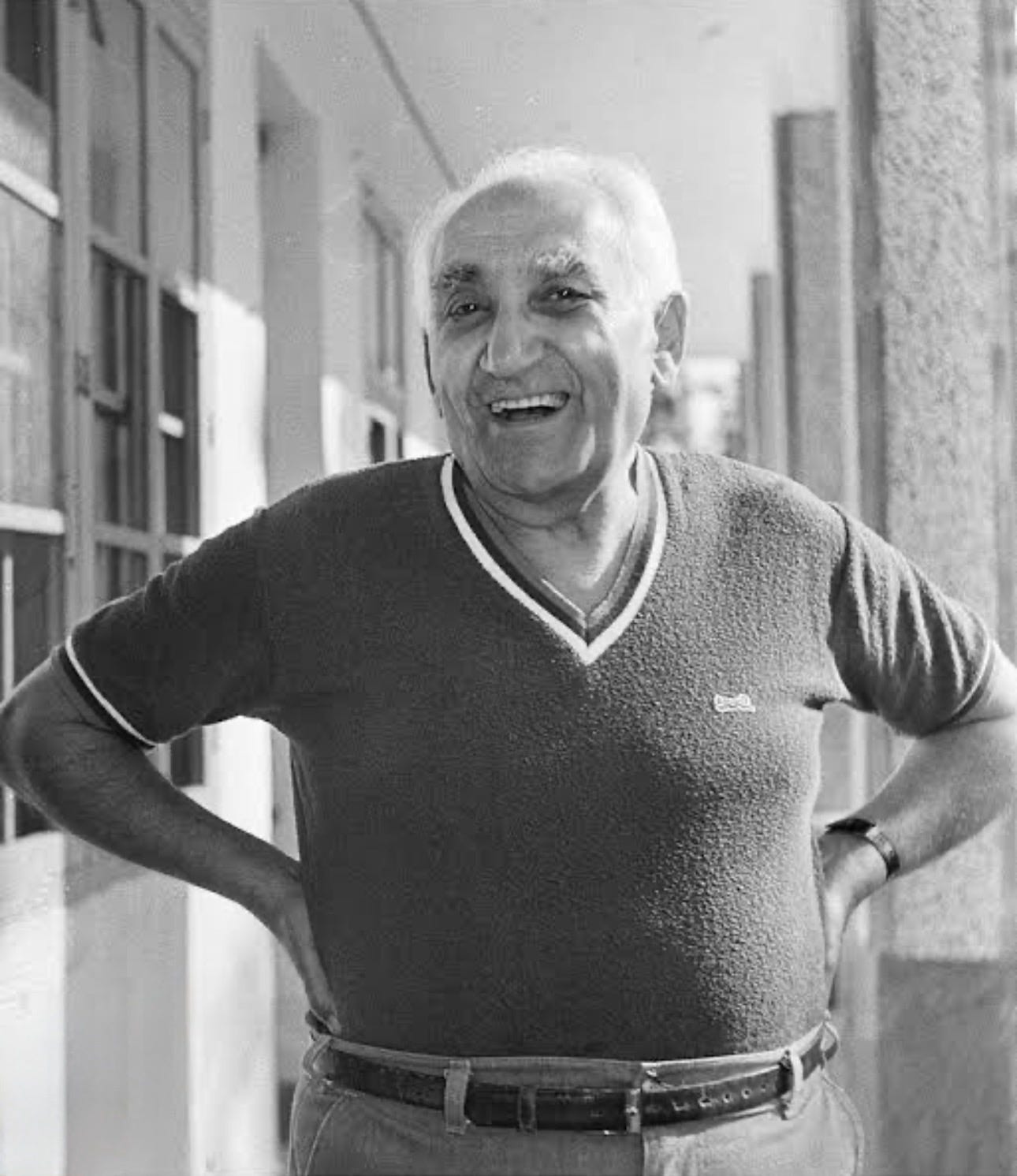
Three years later, in 1988, he passed away in Beijing at the age of 78. He was given a state funeral and buried in the Babaoshan Revolutionary Cemetery, a resting place reserved for China’s most distinguished figures.
A Legacy That Crosses Borders
George Hatem’s life cannot be confined to a single nation or identity. He was at once Lebanese, American, and Chinese; a man who crossed borders not just geographically, but culturally and politically.
In choosing purpose over origin and service over recognition, he built a life that defied easy definition. Today, his legacy endures in the health of millions and in the rare example of a man who belonged fully to more than one world, yet defined by none.