
Fists & Flying Kicks Among the Ruins: A ‘90s Kung Fu Film Shot in Lebanon
By Ralph I. Hage, Editor

Fixed Geography, Fixed Imagery
When somebody mentions kung fu, certain images tend to surface immediately: stylized combat, disciplined bodies, animal forms, highly codified movement. The geography feels just as fixed — Hong Kong, southern China, temple courtyards, misty mountains.
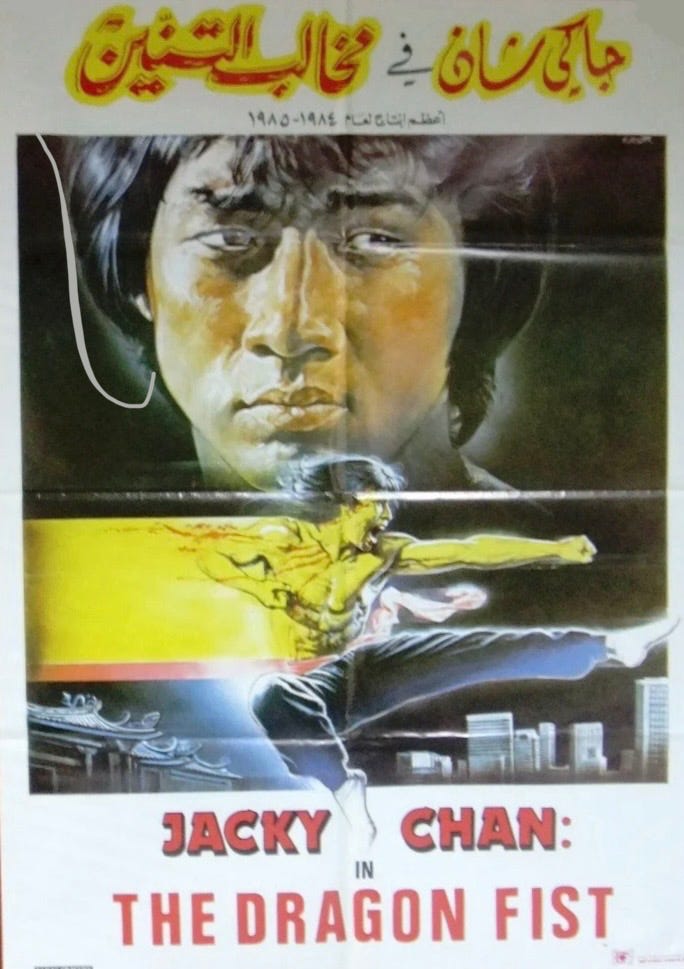
The genre also carries a strong association with the 1990s, when films starring Jet Li, Jackie Chan, and Donnie Yen circulated widely, establishing a visual language that traveled far beyond its points of origin.
A Kung Fu Plot in a Post-War Landscape
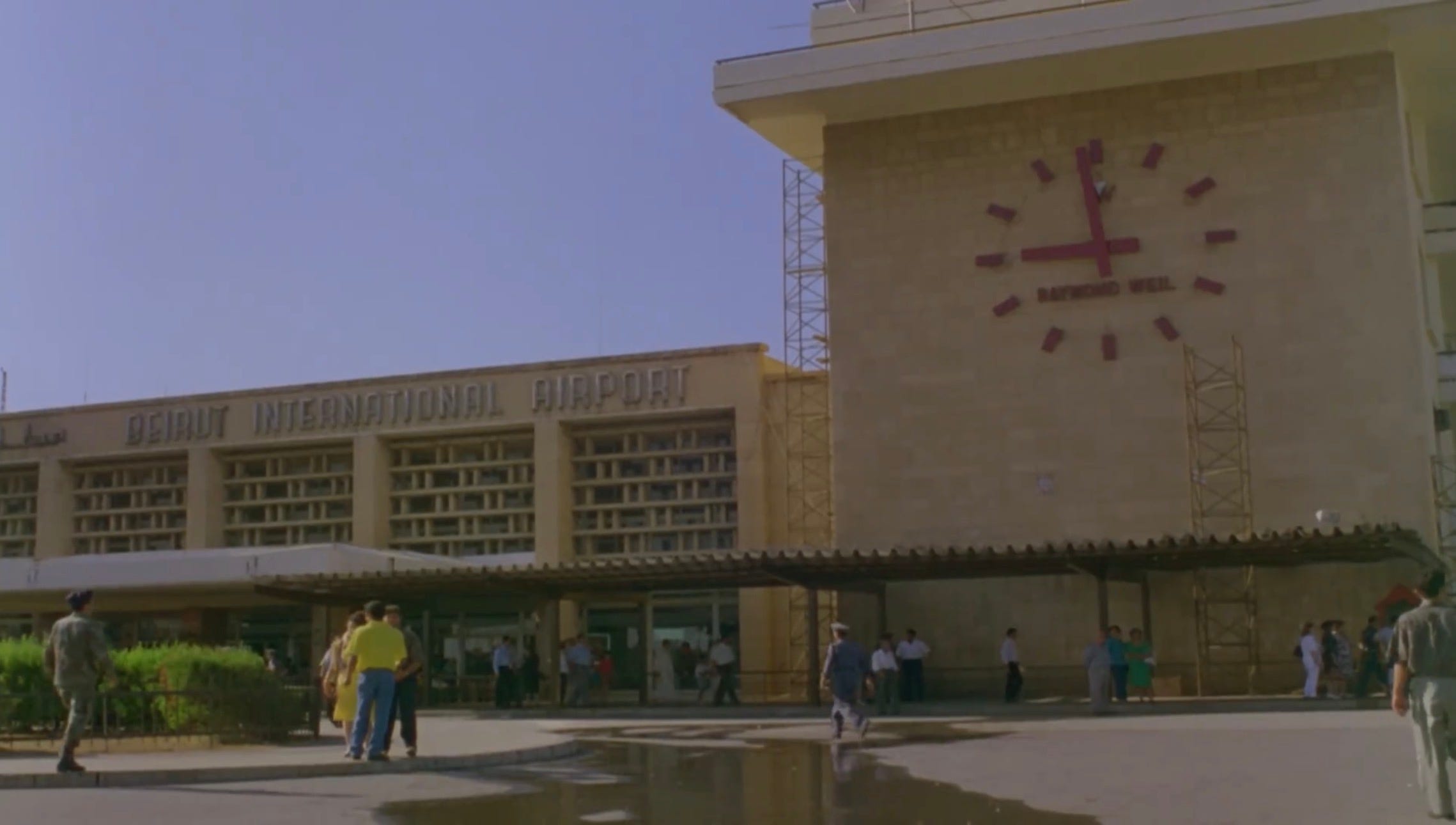
Lebanon rarely figures into that picture. And yet, in the mid-1990s, a kung fu action film was shot there. It moved through Beirut, along the coast, and staged its final confrontation among the Roman ruins of Baalbek. The film was called Operation Golden Phoenix.
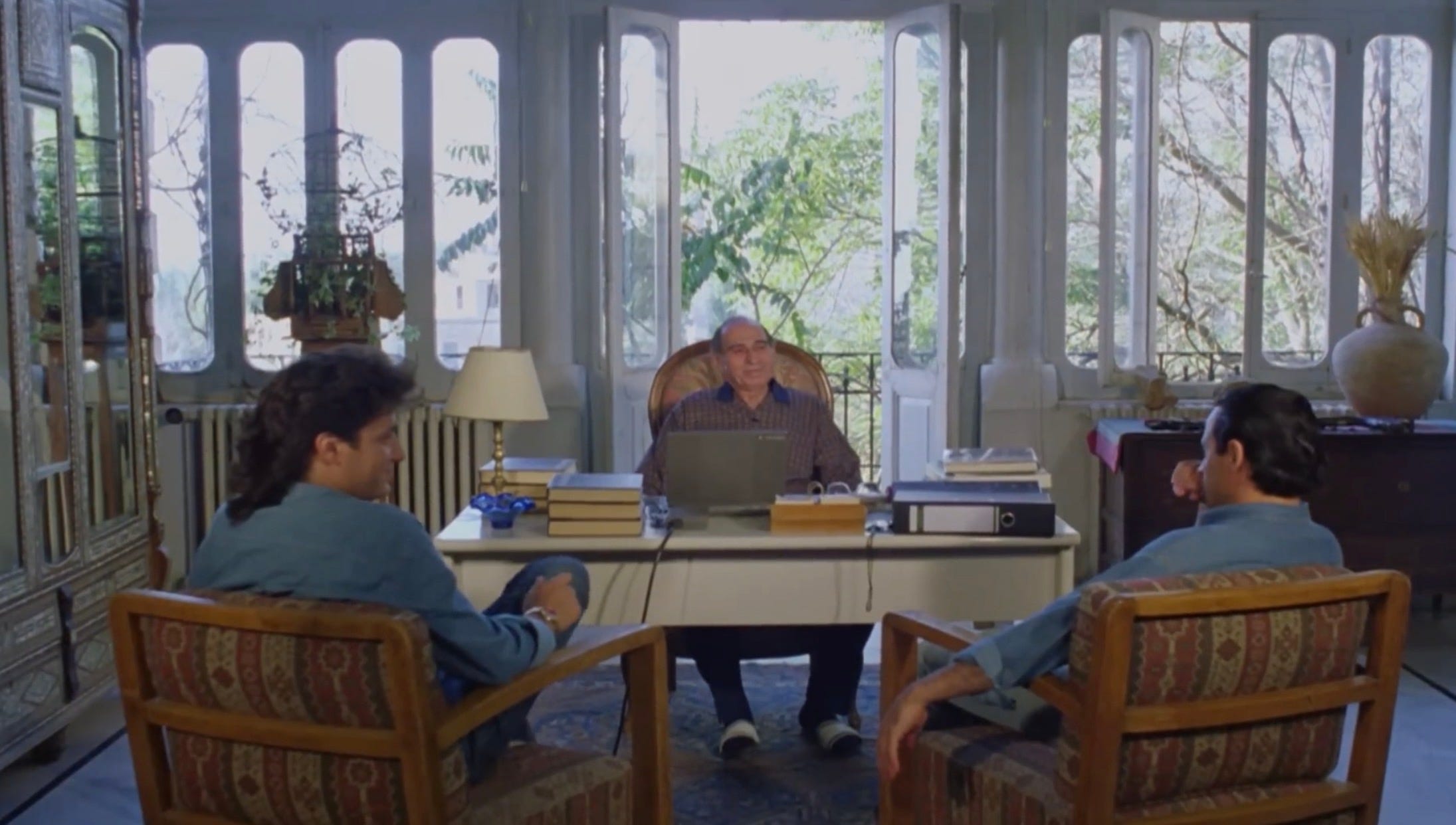
The premise follows familiar genre logic. A set of sacred medallions, scattered across borders, promises access to hidden riches. Rival figures pursue them through a sequence of confrontations that move between Beirut, Toronto, and back again, with shifting alliances and predictable violence along the way. What distinguishes the film is not the story, but the environment in which it unfolds.
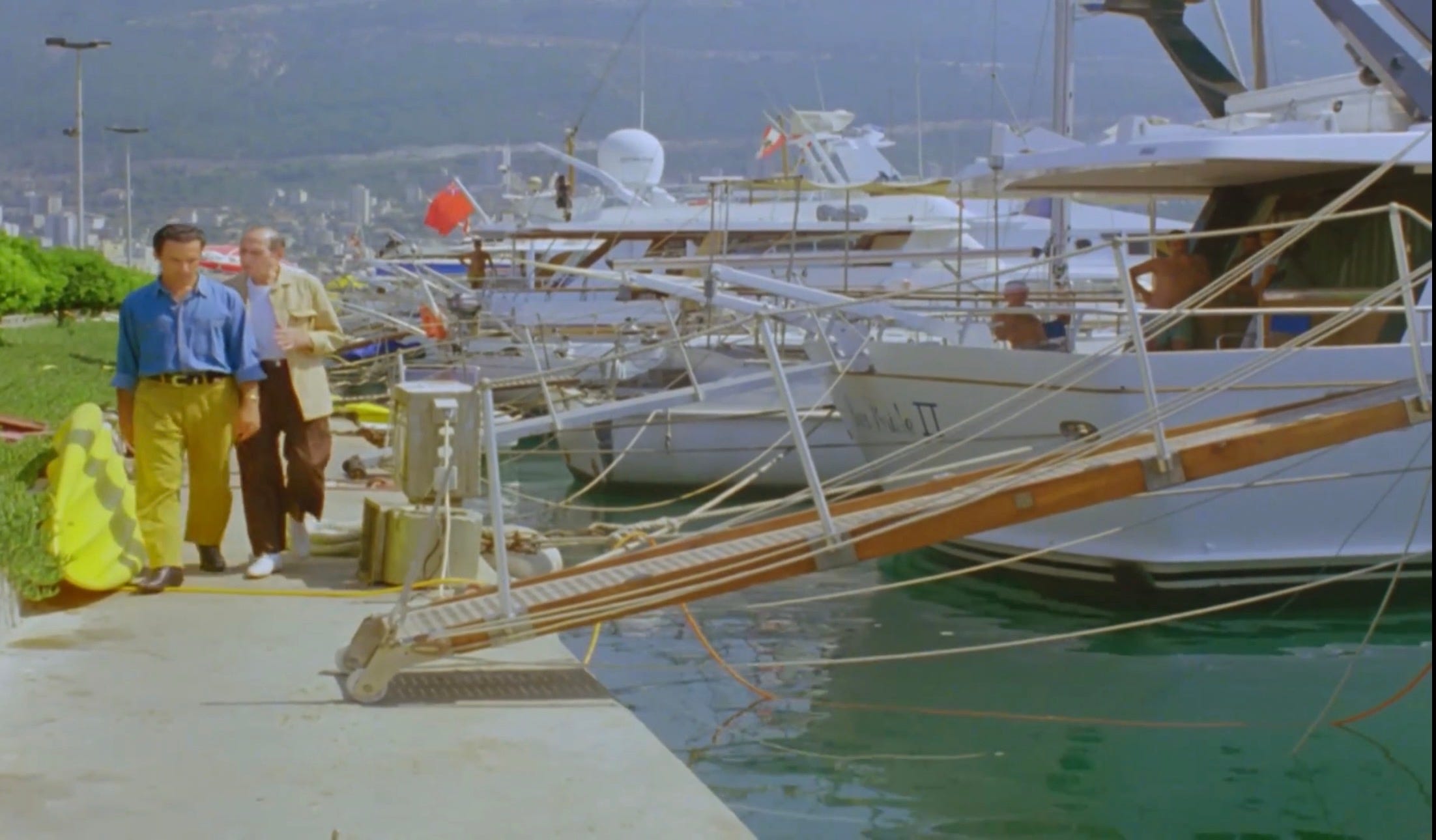
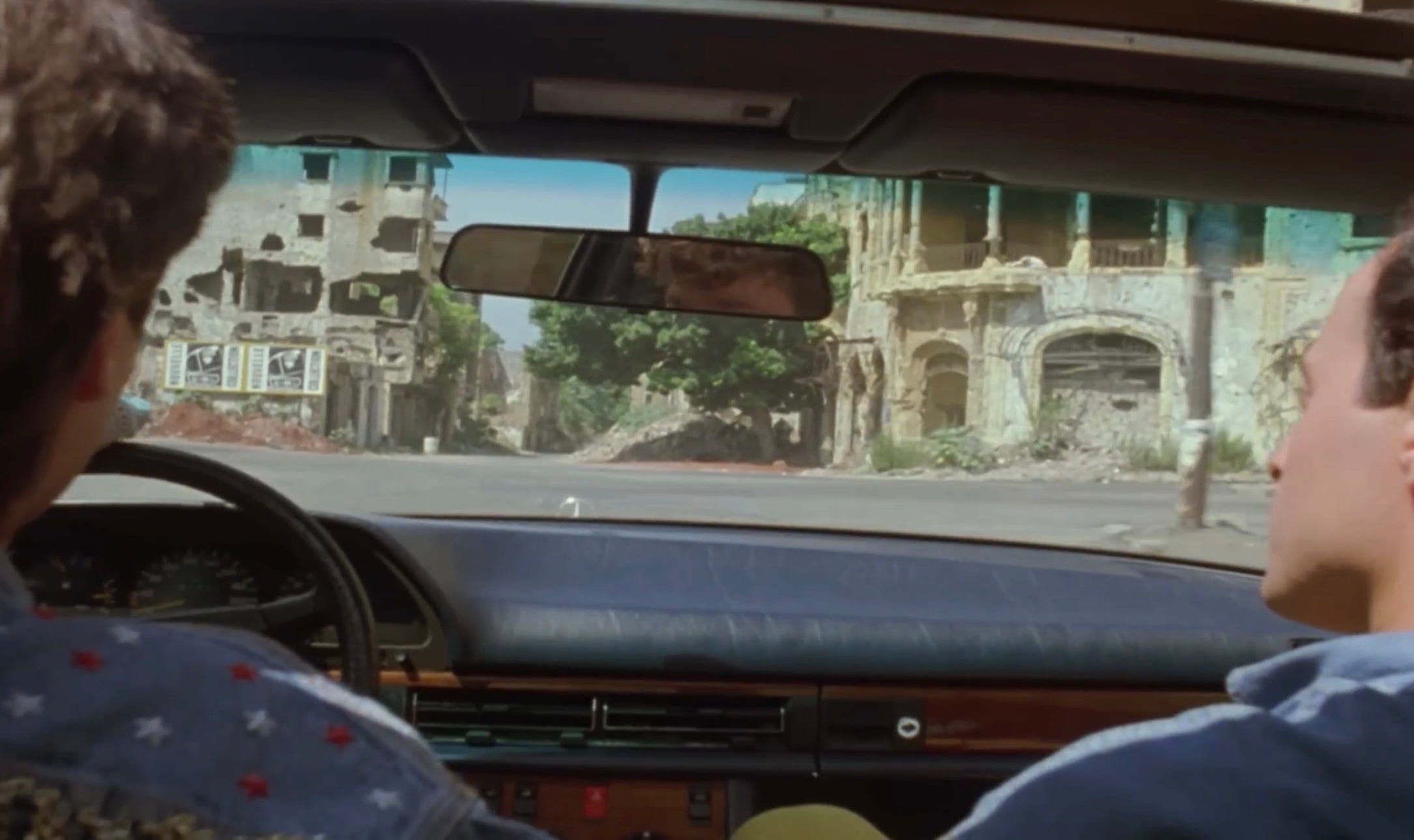
Shot only a few years after the end of the civil war, Lebanon appears as a place still visibly unsettled. Urban spaces remain unfinished, coastlines exposed, and signs of damage linger in the background. These conditions are never addressed by the film. The camera moves through them without comment, treating them as ordinary.
Genre Logic, Local Friction
The film leans heavily on genre convention, with broad characterization and simplified cultural references. Certain scenes linger less because of their narrative importance than because of their odd specificity — a holding cell improbably large enough for extended choreography, a professor translating ancient inscriptions under inexplicable circumstances. And then there is Baalbek.
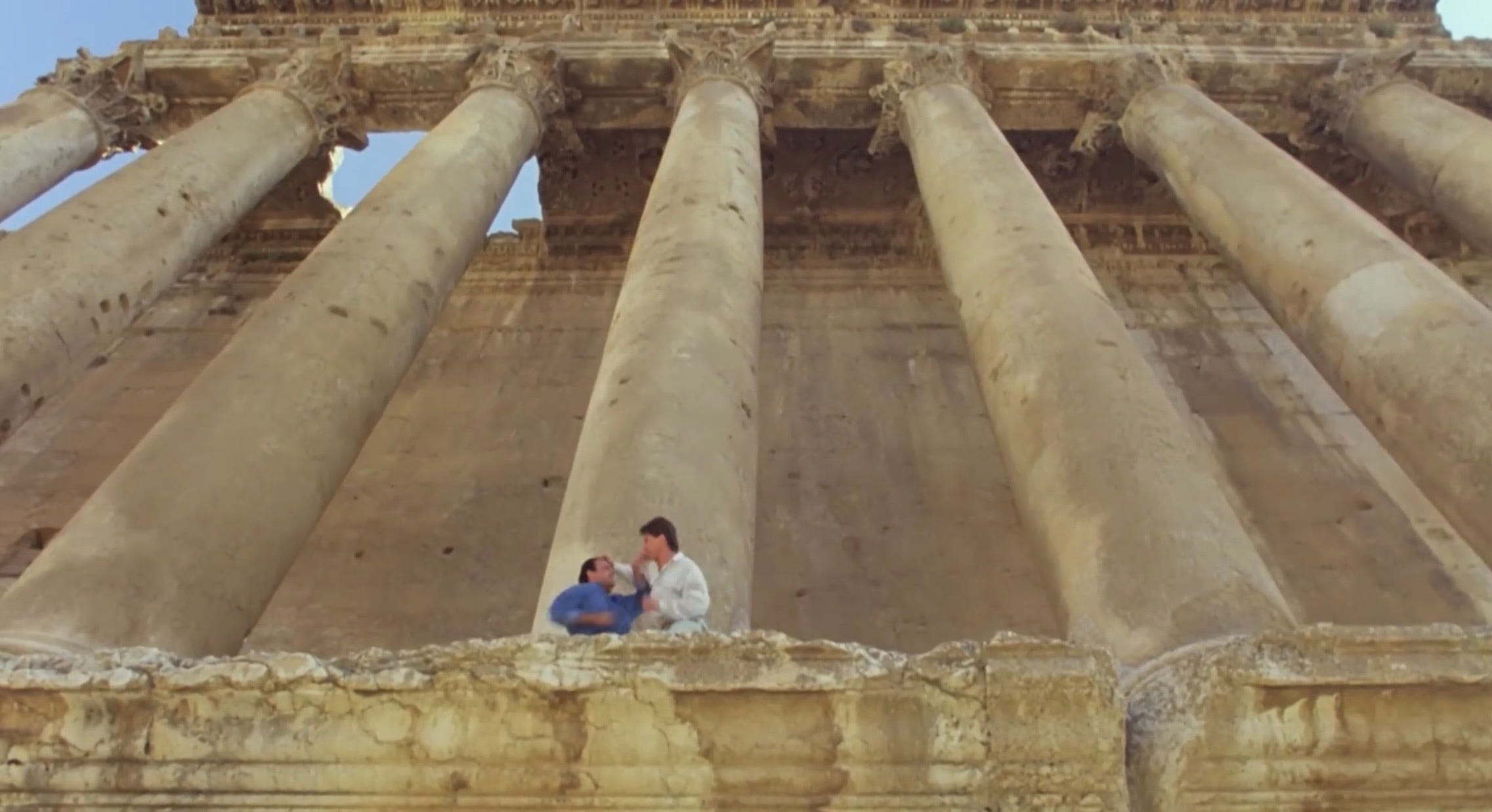
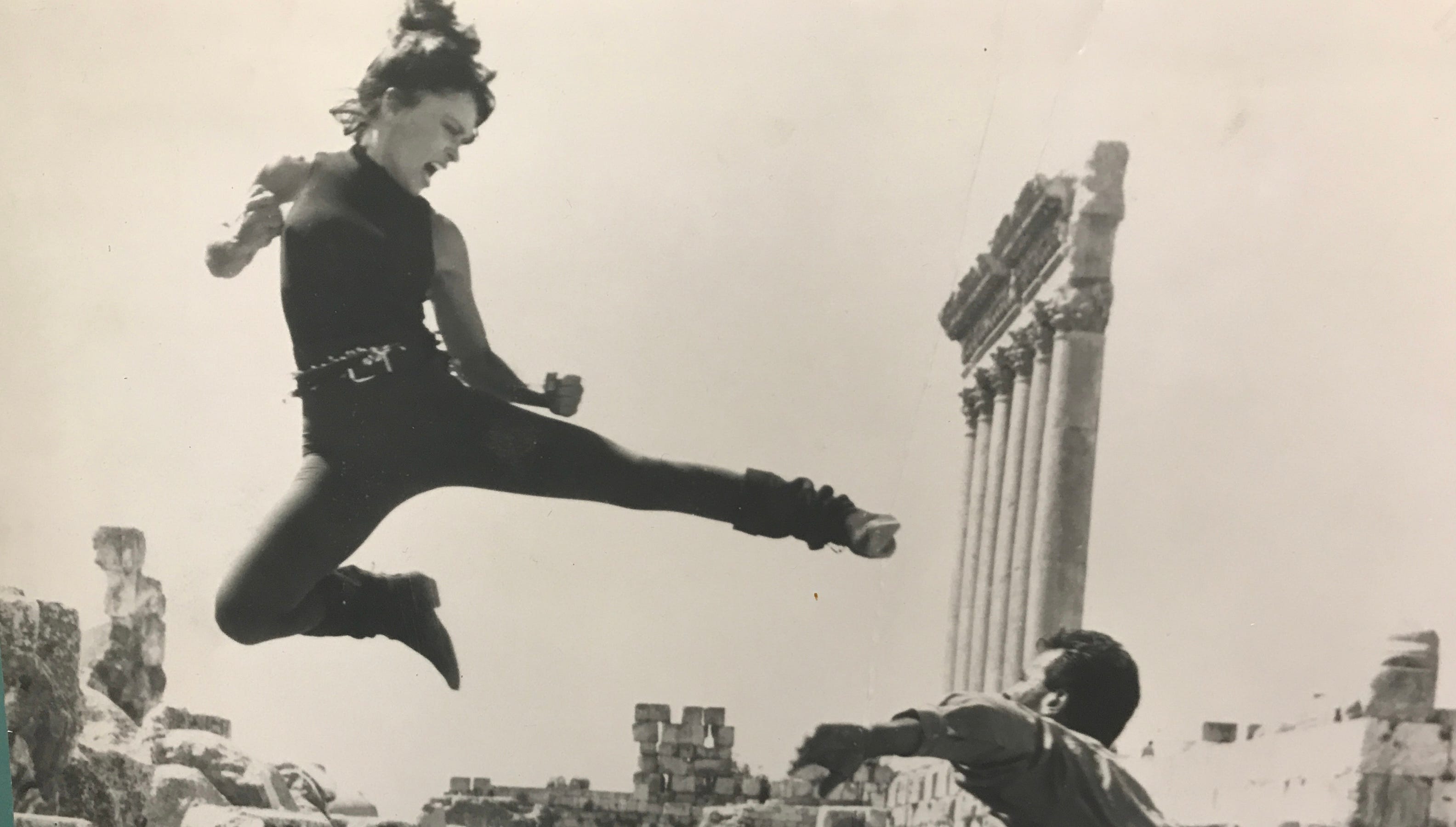
Before it’s all over, we get the inevitable final showdown, staged among the Roman ruins, in what clearly echoes the Bruce Lee–Chuck Norris fight in The Way of the Dragon. Columns loom, stone fills the frame, and the film leans fully into spectacle.
An Artifact of a Moment
What matters more, though, isn’t whether the homage works, it is the fact that this film exists at all.
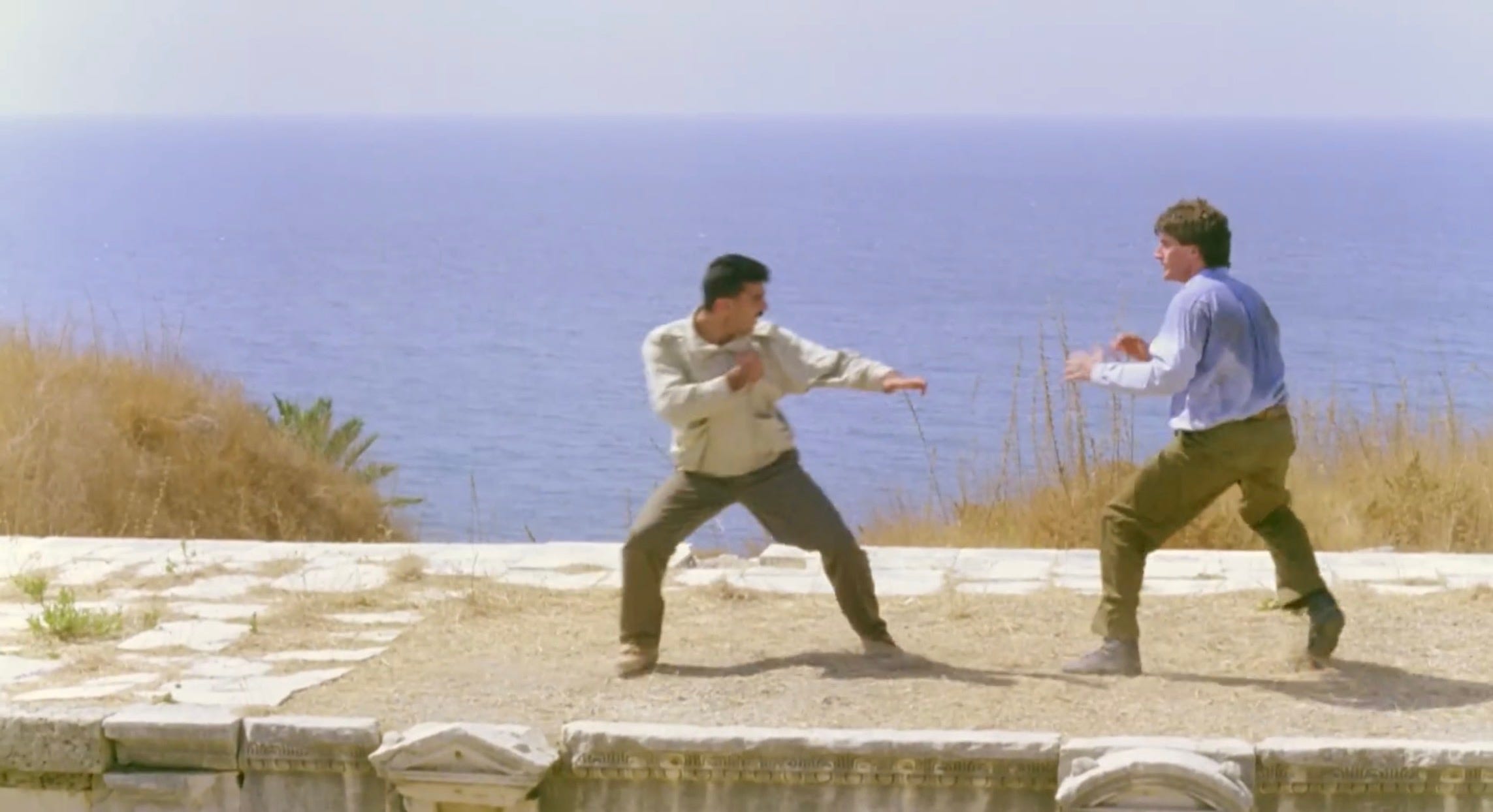
Operation Golden Phoenix is a small artifact of a particular moment in Lebanon’s history. In the 1990s, the country was emerging from war and absorbing almost anything that passed through it — foreign productions, imported tapes, borrowed genres, half-finished ideas. For a brief moment, Hong Kong–style martial arts choreography unfolded among post-war rubble and Roman columns, the camera moving as if this unlikely setting required no explanation.