

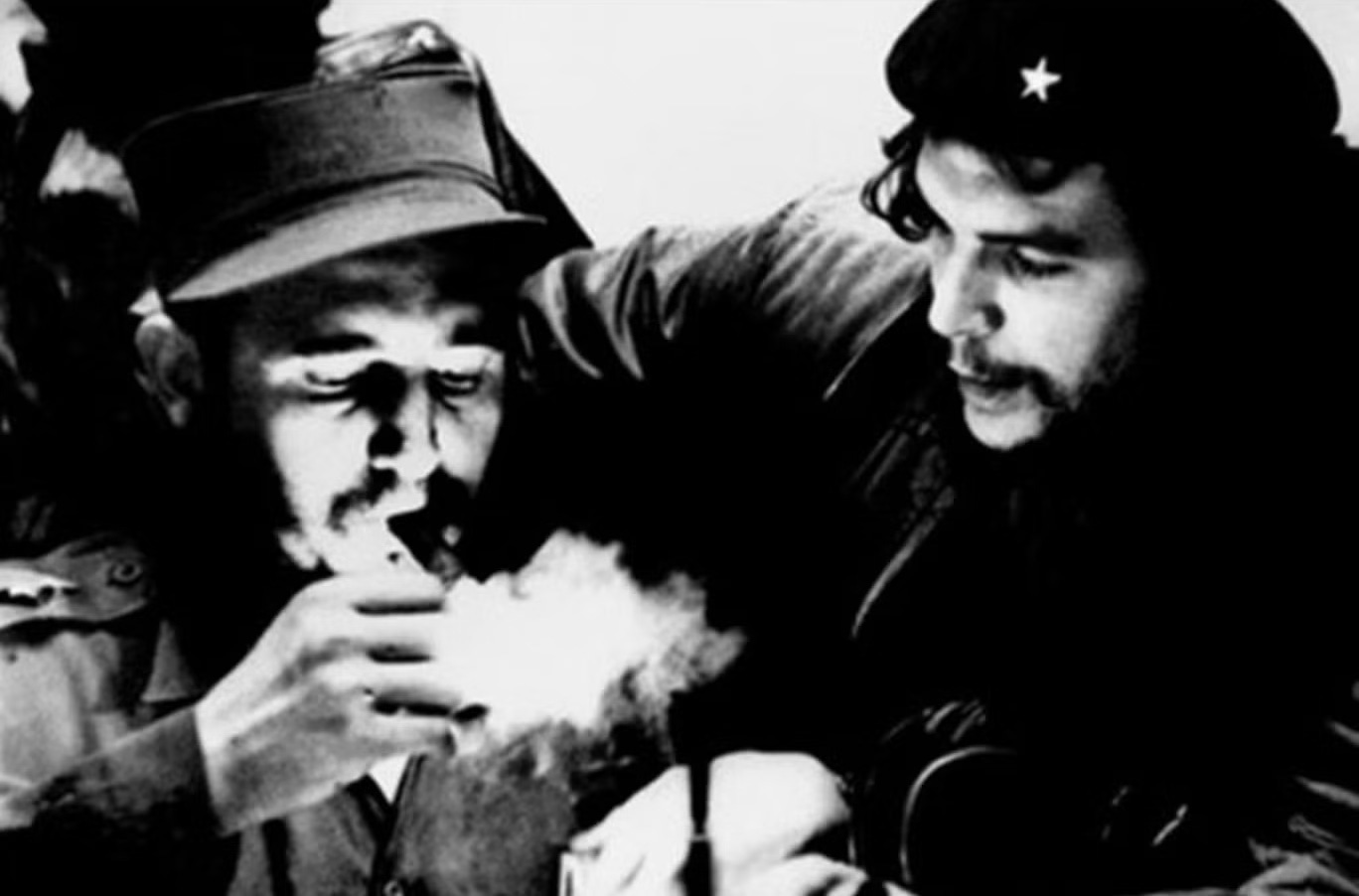
History is often written by those who pull triggers, but it is made possible by those who provide the means. In the coastal town of Guanabo, Cuba, in the mid-1950s, a Lebanese immigrant named Ángel Chaljup Barquet — known to locals as El Turco (The Turk) — altered the course of the Cuban Revolution. He did so not with a rifle, but with a direct question spoken to a young, destitute revolutionary:
“Do you need any money? Tell me, what you need?”
The Diaspora and the Dissident
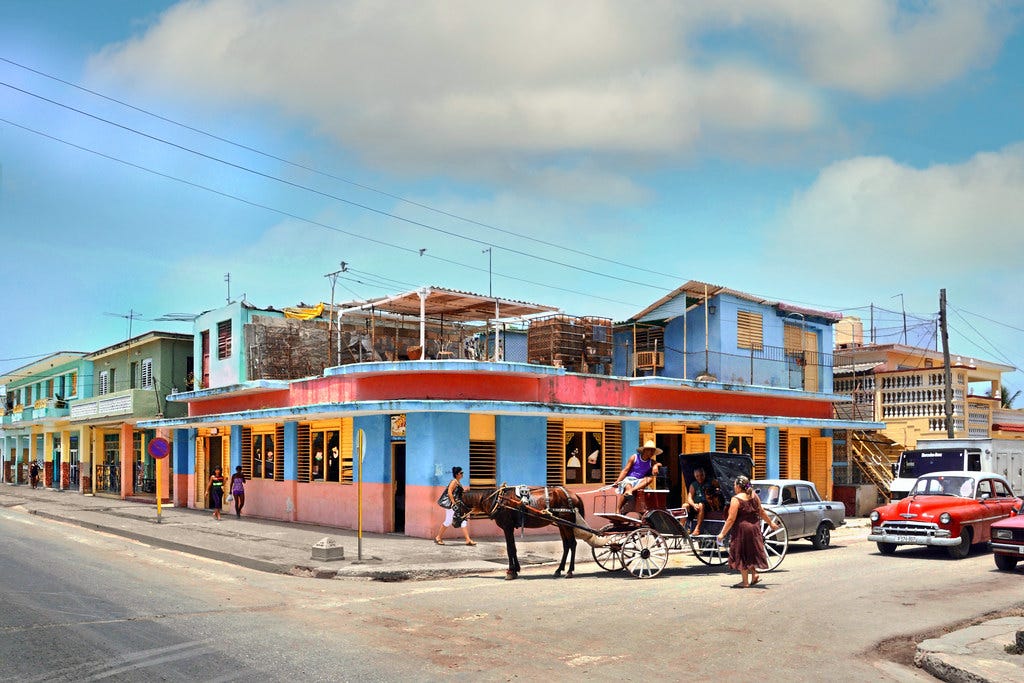
By the 1950s, the Lebanese diaspora in Cuba was thoroughly integrated into the island’s commercial fabric. Like thousands of compatriots who departed the Levant following the collapse of the Ottoman Empire, Ángel Chaljup established himself as a respected trader. His shop in Guanabo served as a hub of daily community life, run with the characteristic business acumen and open-door practice typical of Levantine merchants.
In 1955, Fidel Castro arrived at a critical juncture. He had just been released from prison following the failed 1953 assault on the Moncada Barracks. Broke, heavily surveilled by Fulgencio Batista’s secret police, and lacking resources, he faced the immense challenge of rebuilding a movement from scratch.
While much of Havana’s established elite closed their doors to the radical young lawyer, Chaljup offered support. Recognizing an intense determination in Castro, the merchant looked past the immediate political risk to assist a figure challenging the status quo.
Financial Backing
Chaljup’s financial assistance was not a calculated political investment or a transaction for future leverage. Instead, it was an instinctive extension of support to someone facing an asymmetrical struggle against an oppressive state apparatus — a reality familiar to many families who had emigrated from the politically turbulent Levant.
While the exact sums exchanged in the backrooms of Guanabo remain family history, the practical impact was clear. Chaljup’s funds helped sustain Castro and his inner circle during a vulnerable period of regrouping before they were forced into exile in Mexico. It was from Mexico that Castro would later return aboard the Granma yacht to launch the guerrilla warfare that ultimately overthrew the Batista regime.
A Promise Kept; The Rebel Returns
History contains many examples of revolutionary leaders who distanced themselves from early benefactors once power was secured. Castro, however, maintained his ties to the merchant from Guanabo.
In January 1959, rebel forces entered Havana in victory. Amid the immediate chaos of setting up a provisional government and navigating international scrutiny, Castro traveled to Guanabo to visit Chaljup and his family. He arrived not with the heavy military escort of a head of state, but as a individual returning to express formal gratitude. This reunion, documented in Cuban diplomatic records, established a permanent link between the family and the new administration.
The Diplomatic Legacy
Today, the story of Ángel Chaljup Barquet serves as a foundational narrative for the contemporary relationship between Cuba and Lebanon.
Decades later, the two nations continue to maintain diplomatic and cultural ties, often anchored by a shared history of resistance and survival.