
Architecture Without Architects — Reclaiming Vernacular Intelligence in the Arab World
By Ralph I. Hage, Editor

In 1964, the Austrian-American critic Bernard Rudofsky unsettled the architectural establishment with his exhibition Architecture Without Architects at the Museum of Modern Art in New York. His thesis was simple yet radical: some of the most intelligent buildings in the world were not designed by architects at all. They were shaped instead by communities — by inherited knowledge, climate necessity, ritual practice, and material constraint. Rudofsky’s provocation was not anti-architecture; it was anti-amnesia. He asked the profession to look at what it had ignored.
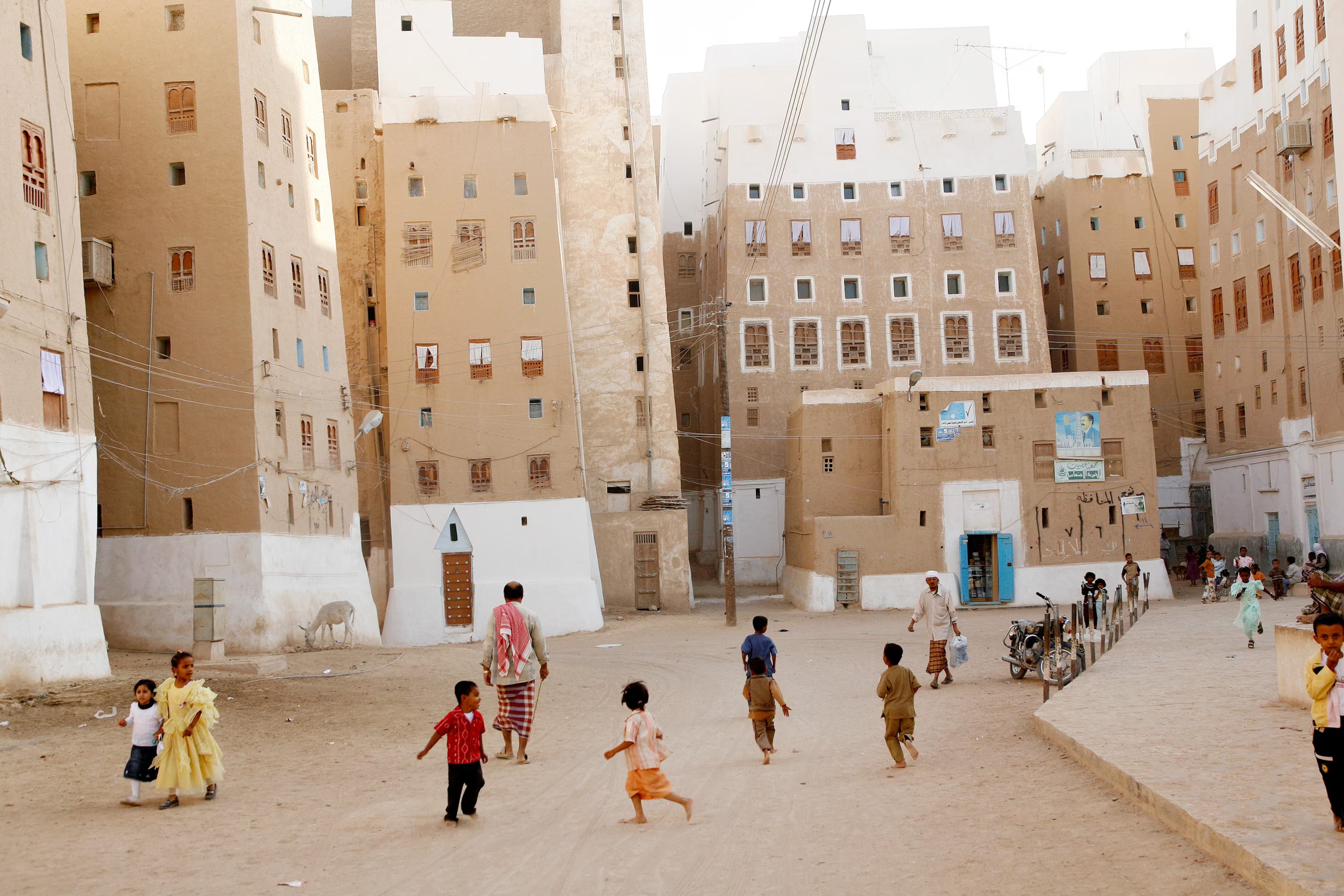
For readers in Lebanon and across the Arab world, the idea is hardly foreign. The region’s landscapes are filled with built forms that predate the institutionalization of architecture as a profession. Long before starchitects and global masterplans, there were courtyard houses in Beirut and Tripoli, mudbrick cities rising from desert valleys, and reed structures woven along marshlands. These were not anonymous accidents. They were accumulated intelligence.
Today, in a Middle East grappling with climate stress, displacement, and rapid urbanization, revisiting architecture without architects is not nostalgia — it is urgency.
Shibam and the Vertical Desert
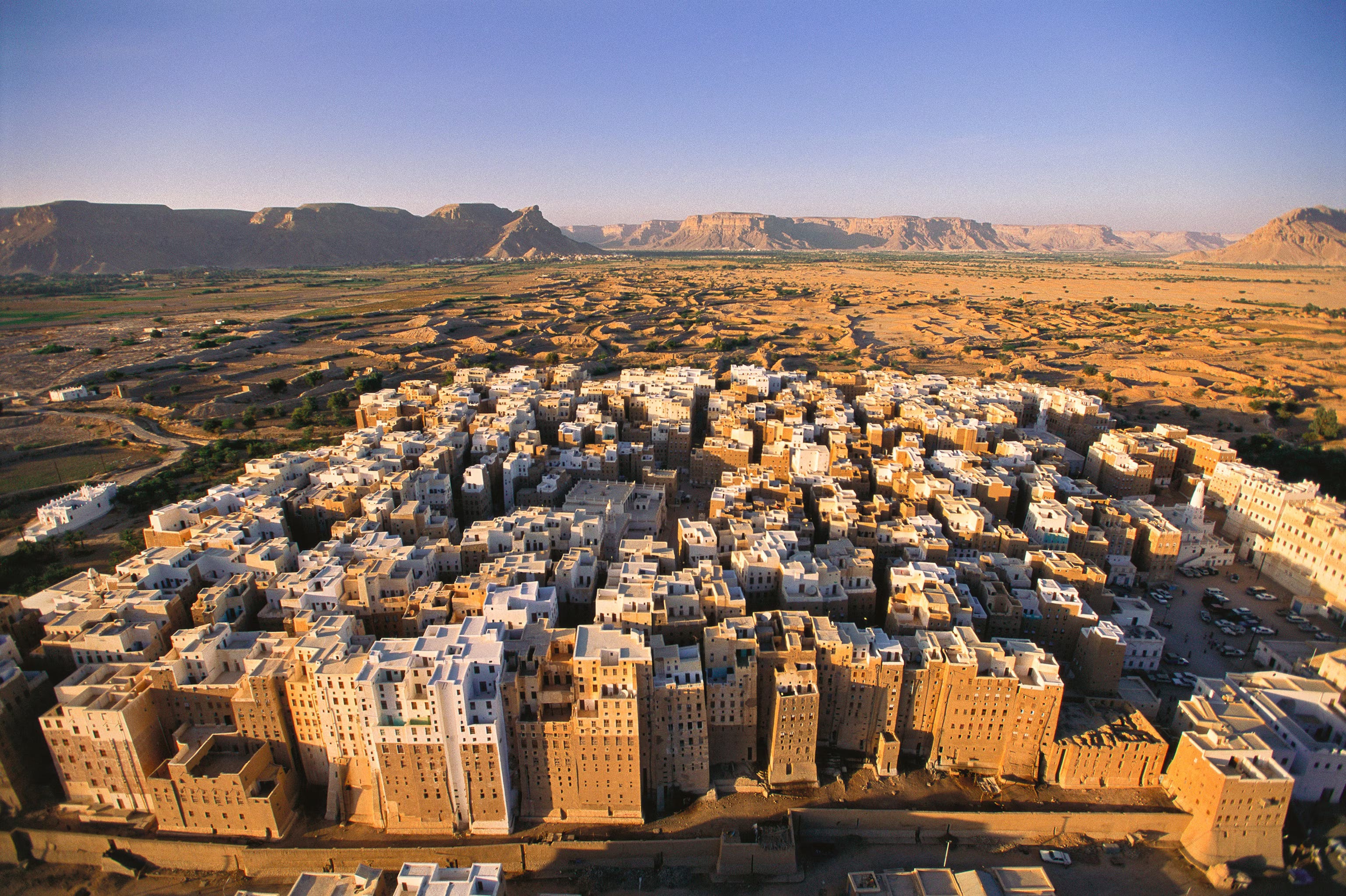
In Yemen’s Hadramaut valley rises the extraordinary city of Shibam, often described as the “Manhattan of the Desert.” Its earthen towers — some reaching eleven stories — were built as early as the 16th century using sun-dried mudbrick. There was no single architect, no signature vision. The city evolved through collective practice, shaped by defensive needs, scarce agricultural land, and the logic of vertical expansion.
UNESCO recognizes Shibam as a masterpiece of human settlement based on environmental adaptation. Its compact urbanism reduces sun exposure; its thick earthen walls regulate heat; its verticality preserves farmland. In contemporary sustainability discourse, these strategies are praised as innovative. In truth, they are ancestral.
Shibam exposes a fallacy embedded in modern development across the region: that density and technological sophistication are recent imports. The desert skyscraper was already there — sculpted from earth, built by communal memory.
Wind, Courtyards, and the Intelligence of Air
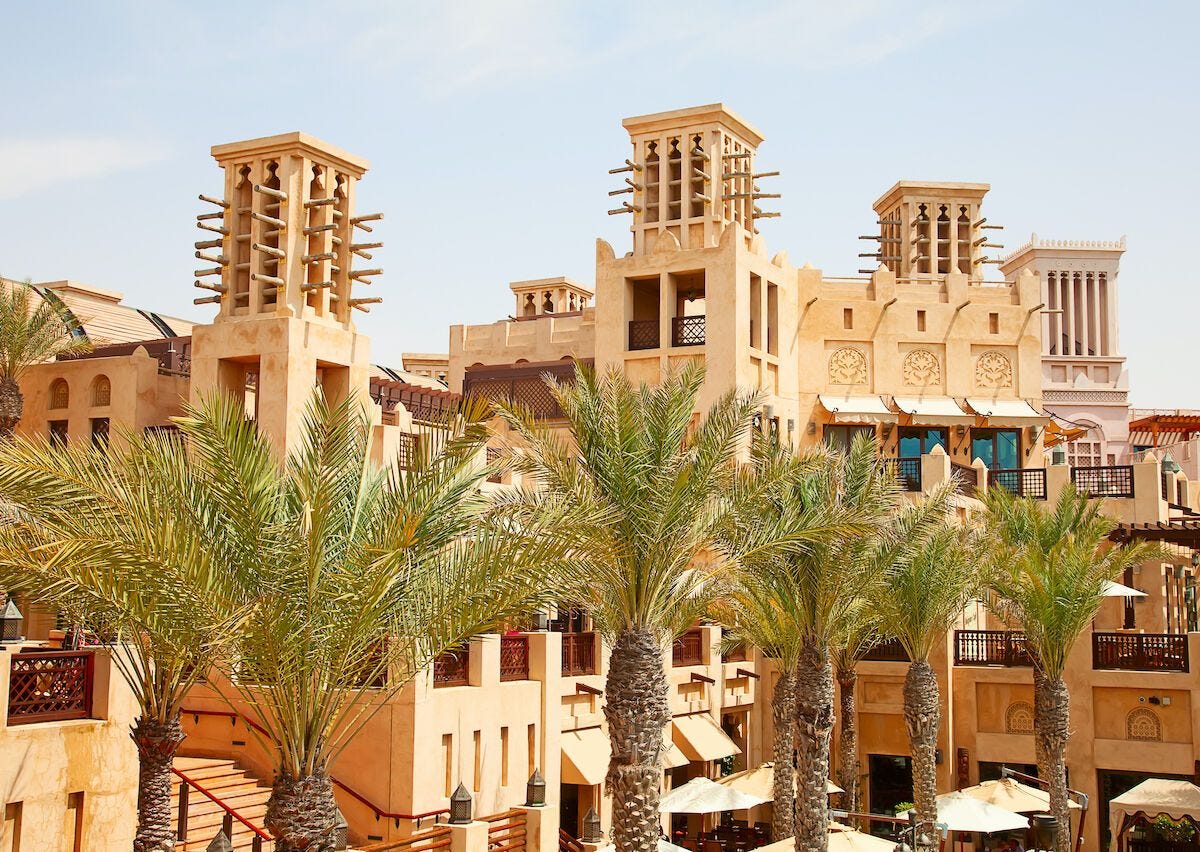
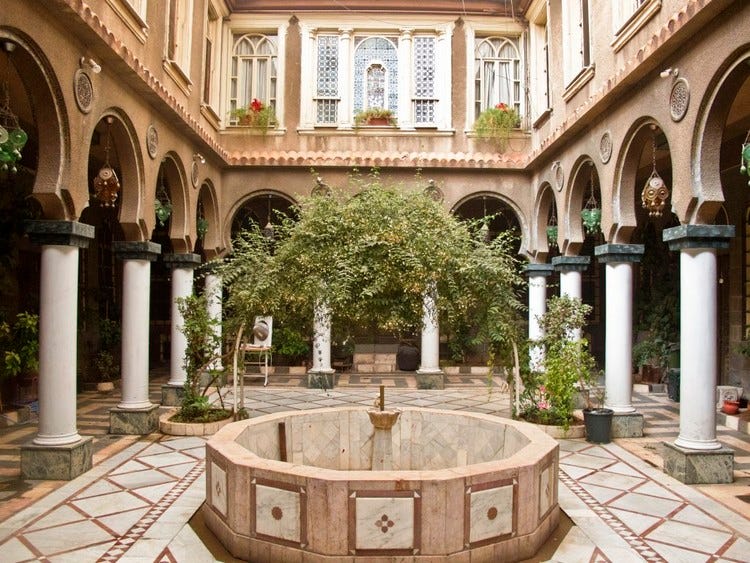
Across the Gulf and the Levant, traditional houses reveal an equally refined environmental logic. The barjeel — the wind tower common in Gulf architecture — captures upper breezes and directs them downward into living spaces, functioning as a passive cooling system centuries before mechanical air conditioning. In Lebanon’s historic courtyard houses, inward-facing plans create shaded microclimates, filtering light and organizing domestic life around a protected center.
These spatial strategies were not stylistic gestures. They were climatic negotiations. Thick masonry walls delayed heat transfer; narrow streets created urban shade; mashrabiyas filtered light and preserved privacy. Social custom and environmental performance were inseparable.
The tragedy of much late-20th-century development in the Arab world was not modernization itself, but separation from its source. Reinforced concrete replaced earth; sealed glass façades replaced cross-ventilation. Imported typologies, often indifferent to climate, proliferated in cities from Beirut to Riyadh. Scholars have argued that this shift severed architecture from both ecological logic and cultural continuity.
To speak of architecture without architects in this context is to question whether professionalization distanced design from lived intelligence.
The Marshes of Iraq: Architecture as Ritual
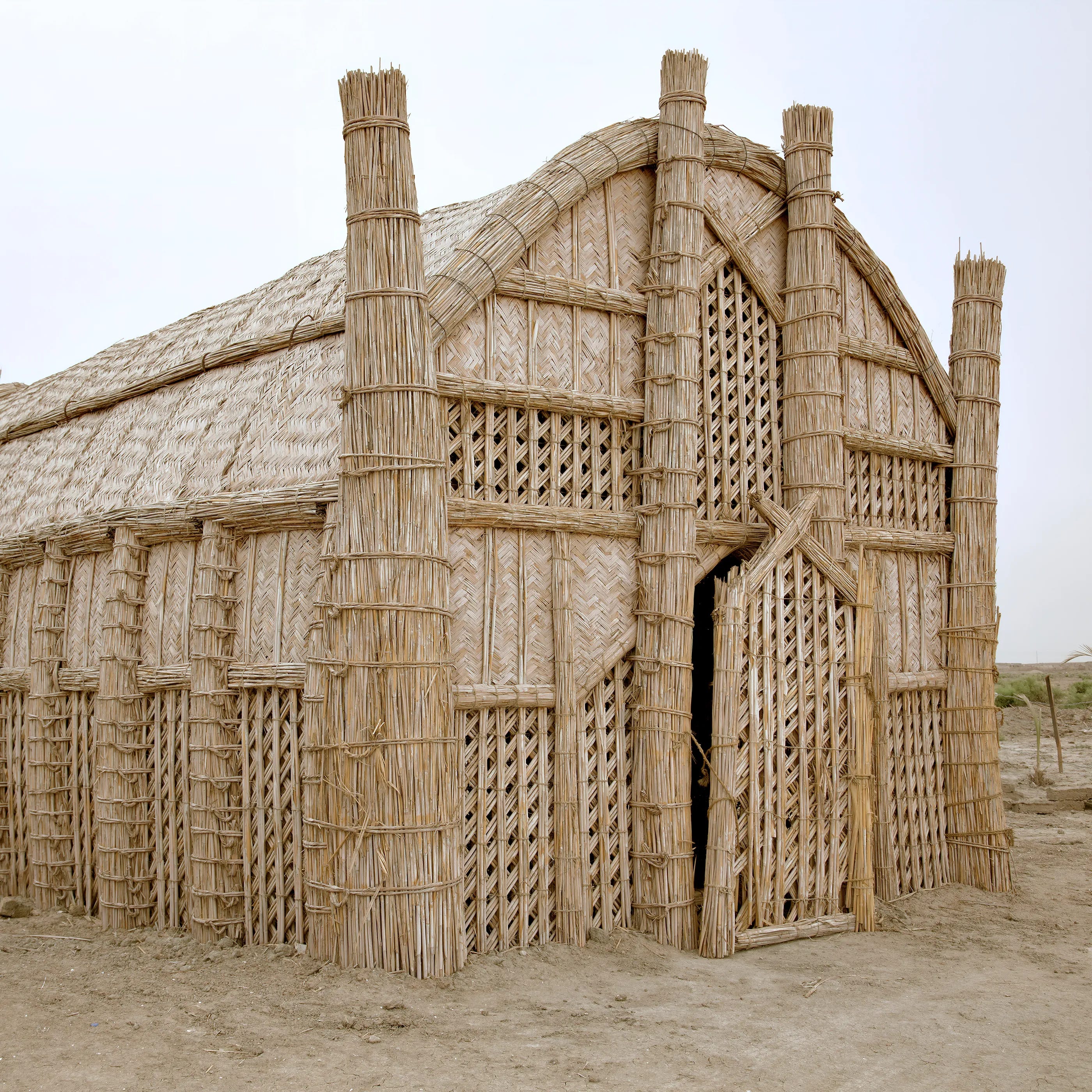
In southern Iraq, the reed structures known as mudhifs rise from the Mesopotamian marshes in graceful parabolic arches. Built entirely from bundled reeds, without nails or industrial materials, these communal halls are reconstructed periodically as part of living tradition. Their form is both structural and ceremonial — hosting gatherings, mediations, and rituals.
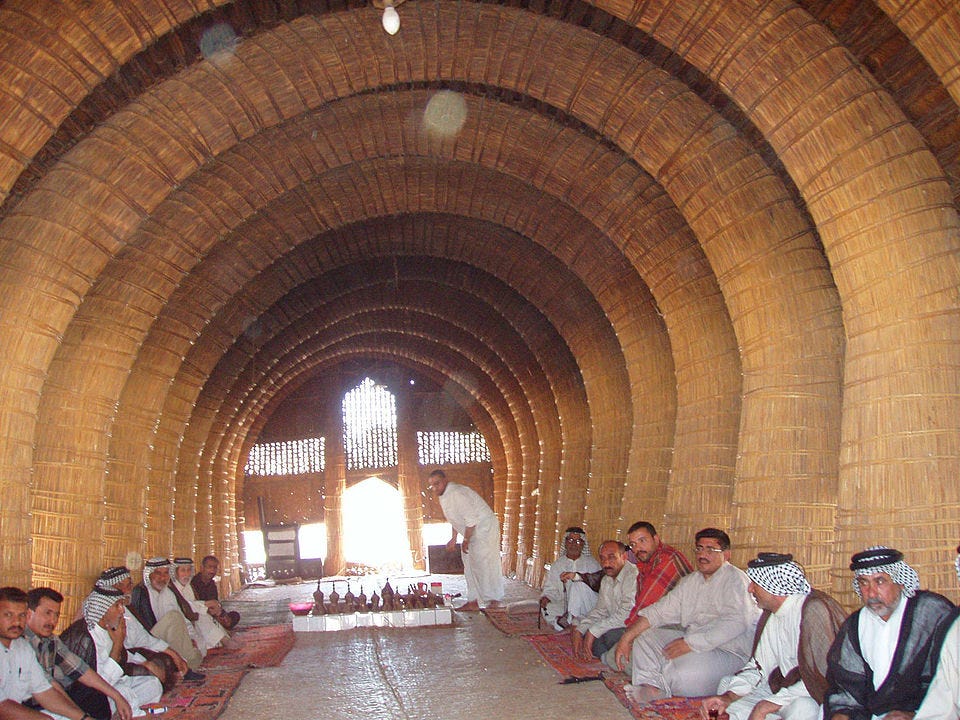
Anthropologists trace this building culture back thousands of years, linking it to ancient Mesopotamian practices. The mudhif is architecture without blueprints, sustained through apprenticeship and memory. It resists permanence; it accepts cyclical renewal. In an era obsessed with monumentality, it proposes ephemerality as resilience.
Lebanon and the Question of Continuity
Lebanon occupies a unique threshold between Mediterranean and Arab architectural cultures. Its vernacular stone houses, red-tiled roofs, and triple-arched façades evolved through Ottoman, Levantine, and European influences — yet remained grounded in climate and craft. Post-war reconstruction, particularly in central Beirut, introduced a different paradigm: corporate planning, speculative development, and image-driven urbanism.
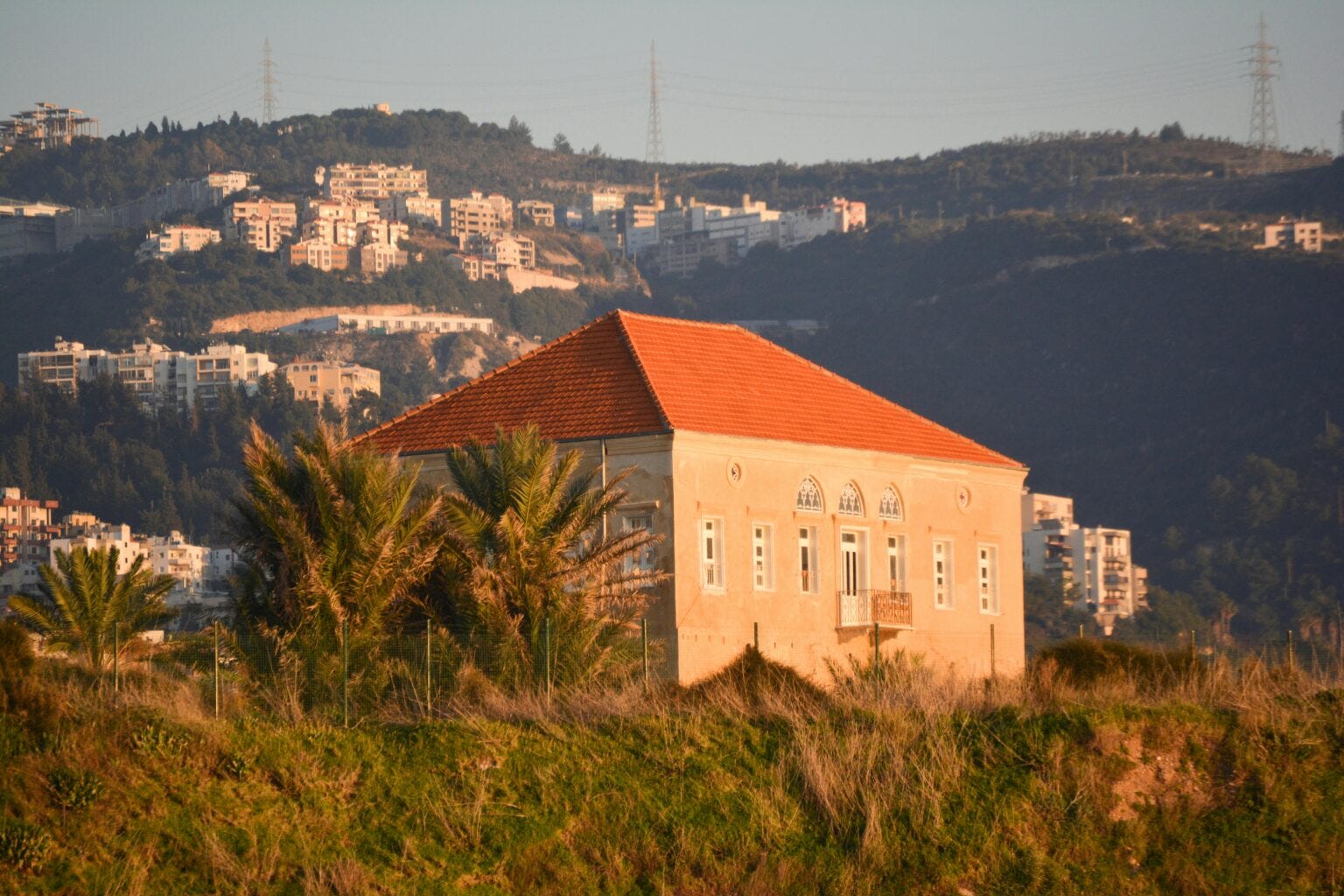
The question facing Lebanon today is not whether to reject contemporary architecture, but whether to reconcile it with inherited intelligence. The renewed interest in earth construction, adaptive reuse of heritage houses, and climate-responsive design suggests a quiet return to vernacular principles — albeit reframed through professional practice.
Rudofsky argued that vernacular builders achieved “a harmony between man and his environment” that modern architecture often failed to sustain. In the Arab world, where environmental extremes are intensifying, that harmony is no longer romantic; it is critical.