
Architect Profile: Hassan Fathy – Champion of Sustainable Architecture
By Ralph I. Hage, Editor

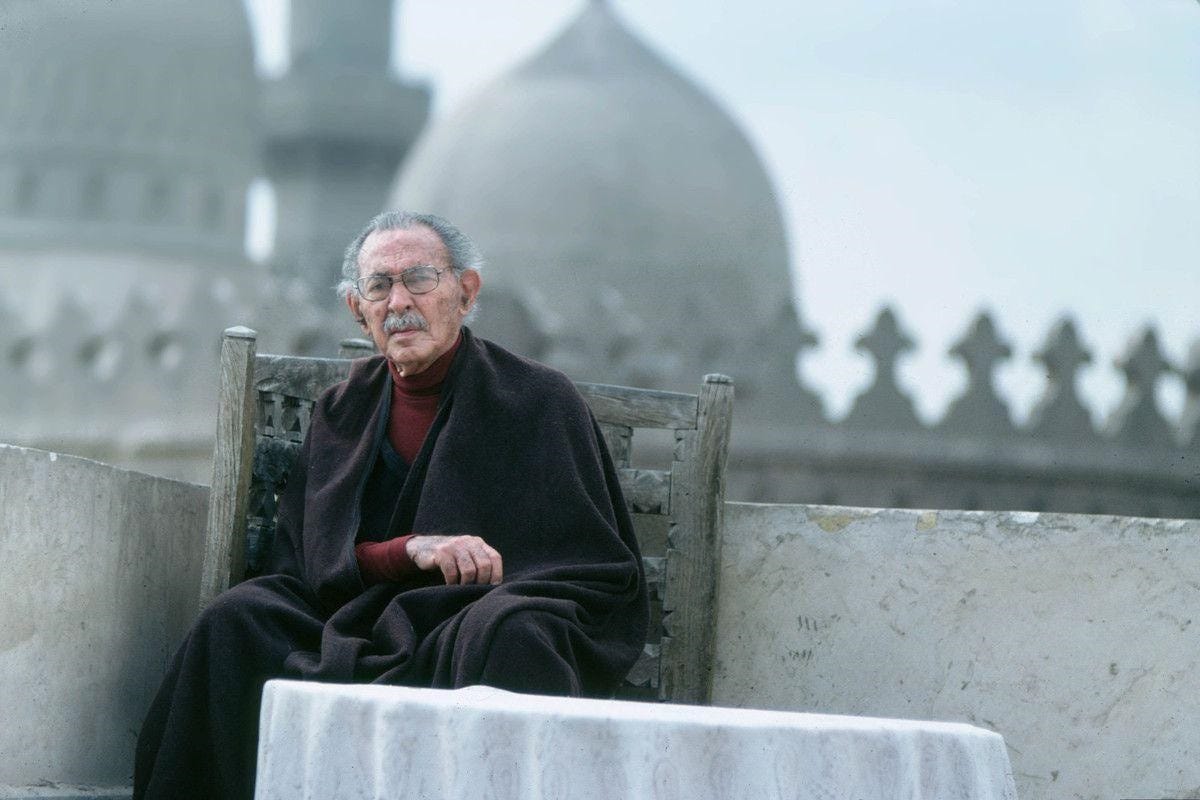
Hassan Fathy was an Egyptian architect whose work left a profound impact on both the architectural world and the broader movement toward sustainable design. Trained in modern architecture, he became a pioneer of environmentally conscious building long before “green architecture” was recognized globally. Fathy’s work blended traditional construction methods with a respect for cultural identity, offering an approach to design that was functional, climate-responsive, and socially grounded.
Early Life and Education
Born on March 23, 1900, in Alexandria, Fathy studied architecture at King Fuad University in Cairo, graduating in 1926. Early in his career, he grew concerned about the widespread adoption of concrete and Western construction styles that ignored Egypt’s climate and cultural context. This concern guided him toward adobe (mudbrick) building techniques, which he found not only more sustainable but also more meaningful to the communities they served. By the late 1930s, he began developing an architectural philosophy rooted in vernacular materials, passive cooling, and community participation.
Architectural Philosophy and Vision
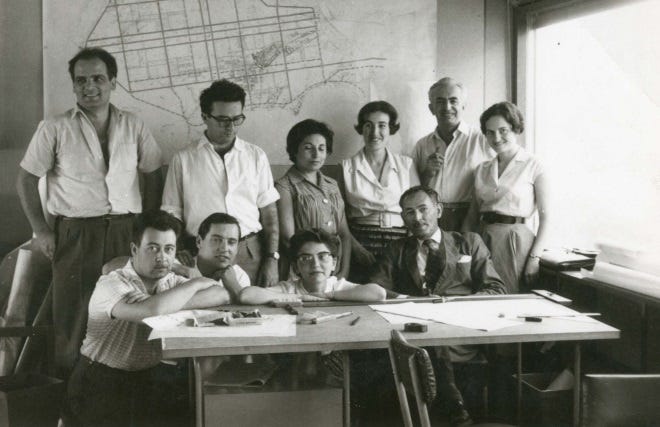
Fathy believed that architecture should serve people first — especially the poor and rural populations who had been left behind by industrialized building trends. He rejected the idea that progress required abandoning tradition, advocating instead for designs that honored local culture while meeting modern needs. His use of mudbrick, vaulted ceilings, domes, courtyards, and natural ventilation demonstrated that ancient techniques were not relics of the past but viable, efficient solutions for contemporary society. He later articulated these views in his landmark 1973 book Architecture for the Poor, where he described earth as one of the most affordable, climate-appropriate building materials and called for a more humane, inclusive architectural practice. One project was particularly noteworthy.
New Gourna — Building a Model Village
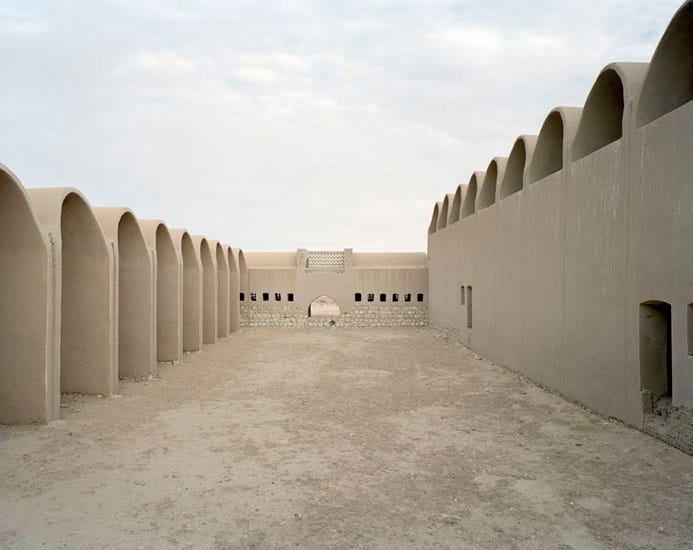
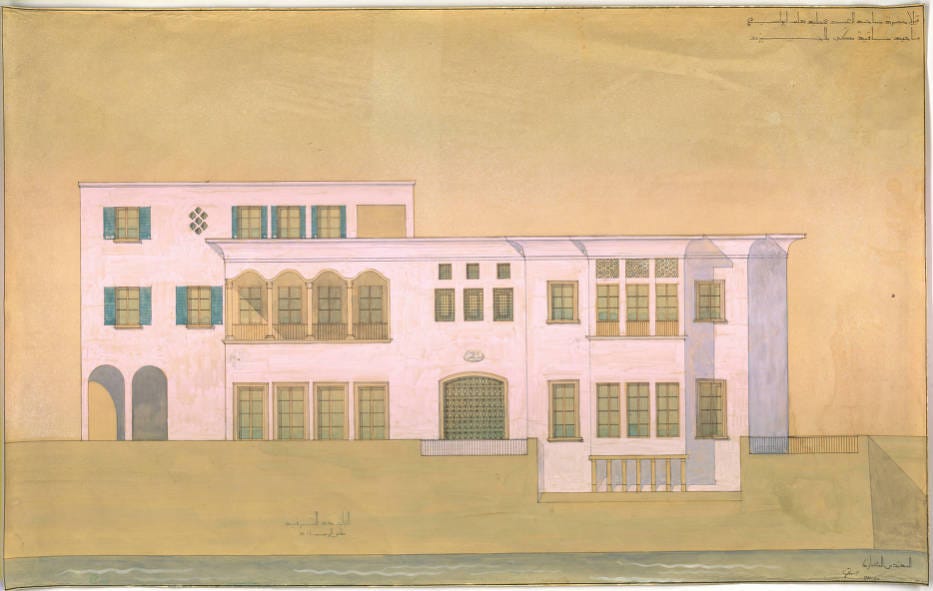
Fathy’s most influential project was the New Gourna Village, commissioned in the 1940s to rehouse families living near the Theban Necropolis on the west bank of Luxor. The government sought the relocation partly to protect archaeological sites, including the Valley of the Kings, from tomb raiding and settlement-related damage. Built between 1946 and 1952, New Gourna showcased Fathy’s vision for community-centered design: houses constructed of mudbrick, public gathering spaces, a mosque, a theatre, and shaded courtyards all worked together to create a socially connected and climatically comfortable village. The passive cooling provided by vaulted roofs and thick earthen walls reduced the need for artificial climate control, proving the practicality of traditional materials in Egypt’s harsh environment.
Challenges and Reception
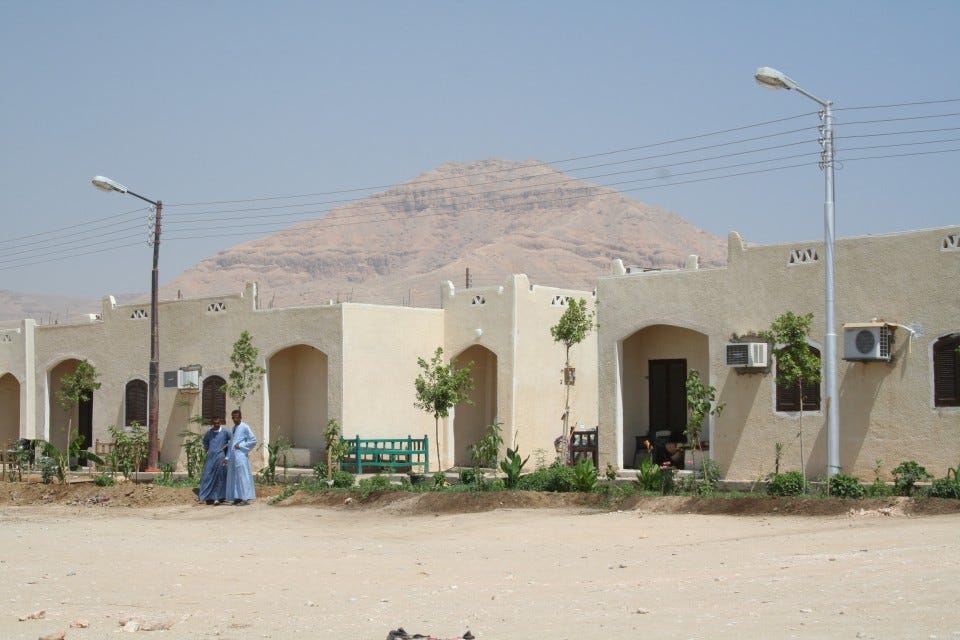
Despite its architectural brilliance, New Gourna faced several challenges. Some residents resisted leaving their old homes, and others viewed mudbrick structures as outdated in comparison to concrete. Political barriers and limited government support further restricted the project’s completion. Over time, parts of the village deteriorated or were altered, though significant efforts have recently been made to preserve what remains. Even so, New Gourna stands today as one of the earliest modern experiments in sustainable and socially responsible building — and one of the most studied examples of vernacular revival. He went on to design nearly 160 other projects, from rural housing to entire planned communities.
Enduring Legacy
Globally, Hassan Fathy’s influence has only grown since his passing in November 1989. His work demonstrated that sustainability is not a trend, but a return to common-sense building rooted in place, culture, and climate. Architects worldwide continue to draw lessons from his designs, which illustrate how traditional knowledge can meet contemporary needs in a cost-effective and environmentally conscious way.
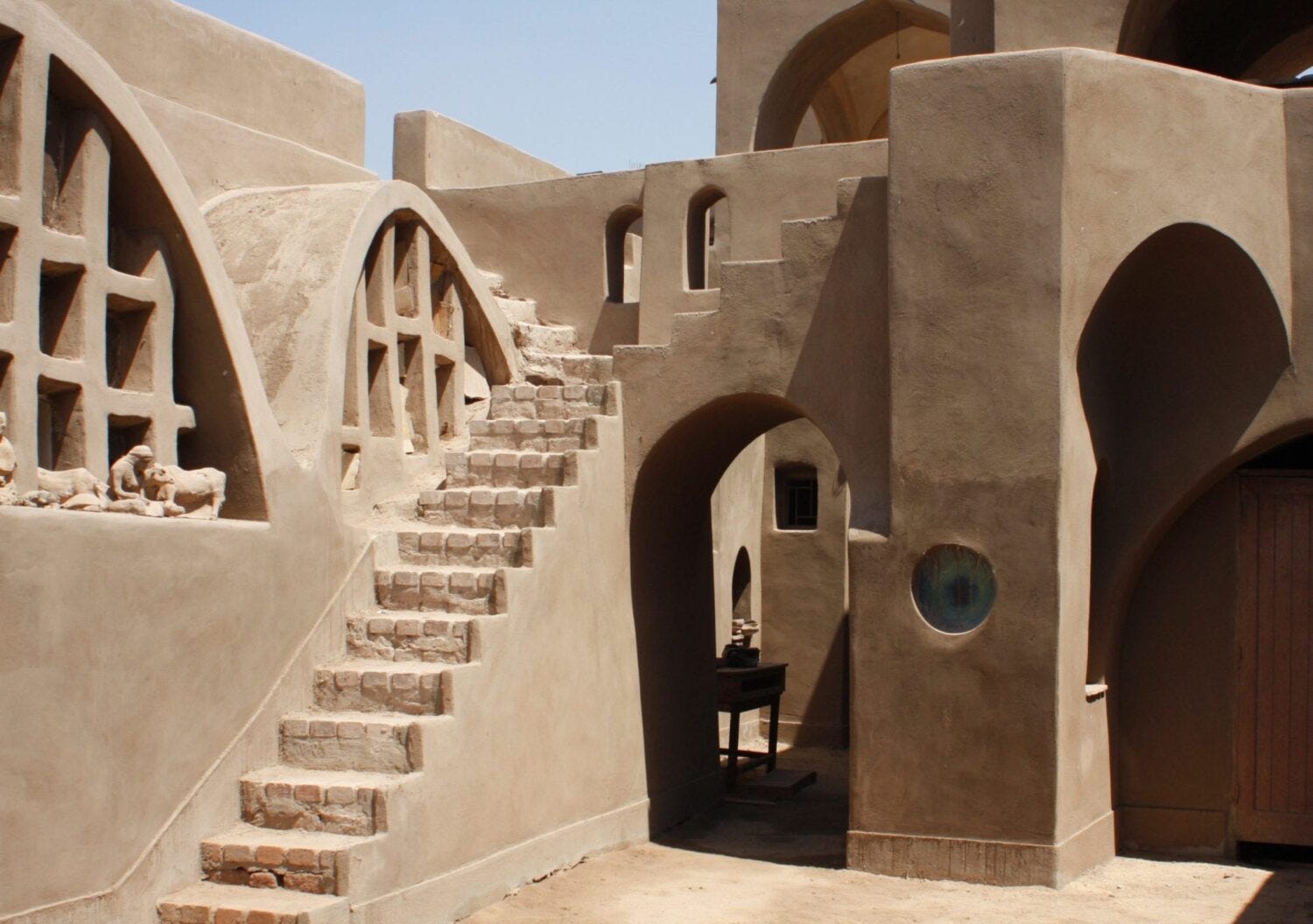
His emphasis on community empowerment, local craftsmanship, and ecological sensitivity has made him a continuing reference in discussions about affordable housing and sustainable development. Today, preservation efforts and renewed interest in earthen architecture highlight the lasting value of his ideas.